The English apparel market has never been more competitive. From heritage brands on Bond Street to emerging designers in Shoreditch, clothing retailers face an increasingly discerning consumer base that expects nothing less than excellence at every touchpoint. In this landscape, where countless brands vie for attention both online and on the high street, the difference between a casual browser and a committed buyer often comes down to a single moment: the first impression.
Premium apparel packaging has emerged as a powerful differentiator in the clothing industry, transforming a functional necessity into a strategic asset that drives sales, builds brand equity, and creates memorable customer experiences. In England, where consumers increasingly value quality, sustainability, and brand authenticity, the right packaging can be the difference between a forgotten purchase and an Instagram-worthy moment that generates organic marketing.
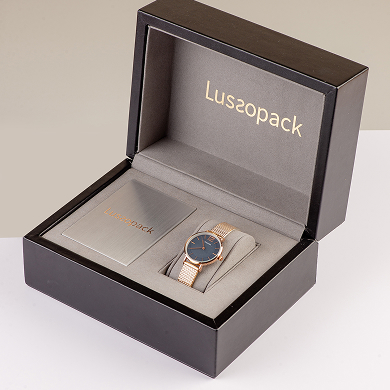
At Lussopack, we see packaging as a stage for the product. In jewellery, a beautiful box transforms a small object into a significant moment. Apparel brands in England can harness the same principle. To help you think strategically, we use a simple 3S framework for premium clothing packaging: Strategy, Story, and Sensation.
This article explores what premium apparel packaging really means, how it influences English shoppers, and how brands can use the 3S framework to turn each box into a powerful sales driver.
Understanding Premium Apparel Packaging
Think of the last time you received a beautifully packaged gift. Remember that flutter of anticipation as you lifted the lid? That moment of delight before you even saw what was inside? That’s exactly what premium apparel packaging should deliver every single time!
What is Premium Apparel Packaging?
Premium apparel packaging is much more than a neat cardboard container. It is a complete experience that considers structure, materials, finishes, and the sequence of how a garment is revealed. At a basic level, apparel packaging includes everything that holds, protects, and presents clothing, whether in-store or delivered to a customer’s home. That includes clothing packaging boxes, garments packing box styles for shipping, and more specialised apparel packaging boxes for shirts, dresses, and accessories.
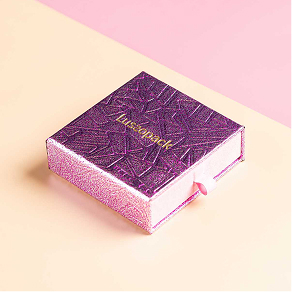
When we talk about “premium,” we look at elements such as rigidity and weight of the board, smoothness and strength of the folds, precision of the printing, and the cohesiveness of the design language. Luxury apparel packaging may feature wrapped rigid boards, soft-touch laminations, foil stamping, magnetic closures, or ribbon pulls that make opening the cloth packing box feel like unwrapping a gift rather than unpacking a commodity.
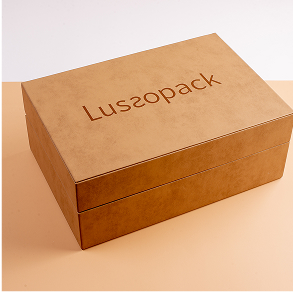
Brands operating in the English market increasingly use custom clothing boxes and custom apparel boxes to make a clear distinction between mass-market and elevated collections. For some, this means rigid custom boxes for clothing that remain on a customer’s wardrobe shelf for months. For others, it is more refined garment packing boxes or garment packaging boxes that suit e-commerce, yet still feel special in the hand.
A growing number of labels also invest in wardrobe packing boxes and smartly designed clothes packing boxes for sale as add-on storage pieces. These become part of the customer’s home, helping the brand live beyond the moment of purchase. When boxes are this thoughtful, they are not just packaging supplies for clothing; they are extensions of the brand’s lifestyle vision.
The Psychology of Packaging in Consumer Behavior

If jewellery has taught us anything, it is that people rarely decide based on rational factors alone. The same is true for fashion. Packaging taps directly into perception and emotion. The moment a customer receives their order, the garment packaging box sets the tone. This first encounter becomes an anchor in their decision-making process and is a clear example of the psychology of packaging at work. Consumers naturally link well-designed, high-quality custom apparel boxes with better product quality. A flimsy, generic container suggests cost-cutting and lowers the perceived value of the item inside. In contrast, sturdy garment boxes or refined custom packaging signal confidence in the product and respect for the customer. This strong mental link between the box and its contents means that investing in luxury clothing packaging directly supports how customers perceive quality and how they justify the price.
How Custom Packaging Drives Sales in the English Clothing Market

E-commerce (online shopping) has made the competition in the UK clothing market much tougher because customers can now easily buy clothes from anywhere in the country, not just local shops. Many businesses (shops, designers, brands) are fighting for the same customer base. Businesses must work harder to differentiate themselves (price, quality, service, style).
Custom packaging for clothing gives brands a way to stay visible in this crowded space. Whether it appears as custom apparel boxes for premium knitwear or custom boxes for clothing for streetwear drops, it serves several sales-focused functions:
- It reinforces brand recall. When a customer opens custom boxes for shirts with a very specific colour and logo placement, they remember that experience long after the purchase.
- It supports higher price points. Luxury apparel packaging helps customers justify spending more. A beautifully made dress box packaging solution communicates that the brand takes its promise seriously.
- It drives gifting behaviour. Many English consumers buy apparel as gifts for birthdays, holidays, or weddings. Luxury packaging for clothing, especially in garment packaging boxes that look ready to present, reduces the need for additional gift wrapping and makes the brand a natural choice for gifting.
Even practical choices such as eco-friendly packaging for clothes can influence sales. English shoppers are increasingly conscious of sustainability. When brands choose eco-friendly materials and clearly communicate that through their apparel packaging, they tap into those values and attract loyalty from like-minded customers.
The 3S Framework for Successful Apparel Packaging
To move from theory to practice, it helps to think about premium apparel packaging through the lens of Strategy, Story, and Sensation.
Strategy
The first “S” is Strategy. Premium packaging only pays off when it is rooted in a clear understanding of who you serve and how you want your brand to sit in the English market.
For fashion brands in England, that entails beginning with the target clientele. Are you communicating with urban experts in London who appreciate sleek, minimalist designs, or seaside customers in Cornwall who focus on laid-back and environmentally-friendly lifestyles? Younger consumers might enjoy vibrant colors and whimsical designs. Clients with a focus on heritage in locations such as York or Bath may anticipate understated, traditional details and elegant textures. One uniform method of clothing packaging will not resonate equally with all demographics.
Strategic brands use custom apparel packaging to align their boxes with these nuances. Custom garment boxes for tailored suits can be structured and sharply edged, signalling precision and formality. More fluid wardrobe packing boxes for loungewear might use softer materials and pastel tones. Custom boxes for clothing can carry small but deliberate cues: tone-on-tone logos for the understated, high-contrast graphics for the bold, or typography that subtly echoes the brand’s visual identity across swing tags, labels, and stores.
This strategy also involves competitive positioning. In many English towns, mid-tier labels sit next to both fast fashion and luxury brands. Investing in better clothing packaging boxes or luxury clothing packaging boxes is a way to lift perceived brand level without changing your core price point. Customers compare, consciously or subconsciously. When your apparel packaging looks and feels closer to luxury than to budget, it becomes easier to hold your margin and harder for shoppers to see you as just another option.
Story
The second “S” is Story. Packaging is a storytelling surface that works long after an advert has been closed. It can communicate origin, craft, ethics, and personality in a quiet but powerful way.
For example, a British womenswear label might use personalised clothing packaging to highlight its design roots in Yorkshire or Cornwall. A short line of copy inside a garment box’s lid can reference local makers or patterns inspired by the English coastline. Inner panels of custom clothing packaging boxes can feature subtle illustrations linked to collection themes.
Storytelling is especially important in the growing sustainable fashion segment. Consumers increasingly scrutinise not just clothes but also packaging supplies for clothing, expecting brands to move away from unnecessary plastics. Eco-friendly packaging for clothes therefore becomes part of the narrative. Fashion brands such as Baukjen have publicly shared how they use eco-friendly inks and recyclable substrates for their fashion packaging, framing it as a natural extension of their sustainability commitments.
When apparel box manufacturers and clothing packaging manufacturers work with brands on this narrative, they often co-develop structures that can be reused or recycled easily. A wardrobe packing boxes design might be strong enough to act as a long-term storage solution. A cloth packing box might be printed with care instructions so that it lives in the customer’s wardrobe instead of going straight into the bin. In both cases, the story is extended from the moment of purchase into everyday life.
Sensation
The third “S” is Sensation. Apparel packaging operates in a physical world of touch, sound and movement. A strong concept is not enough if the box feels flimsy or awkward to open.
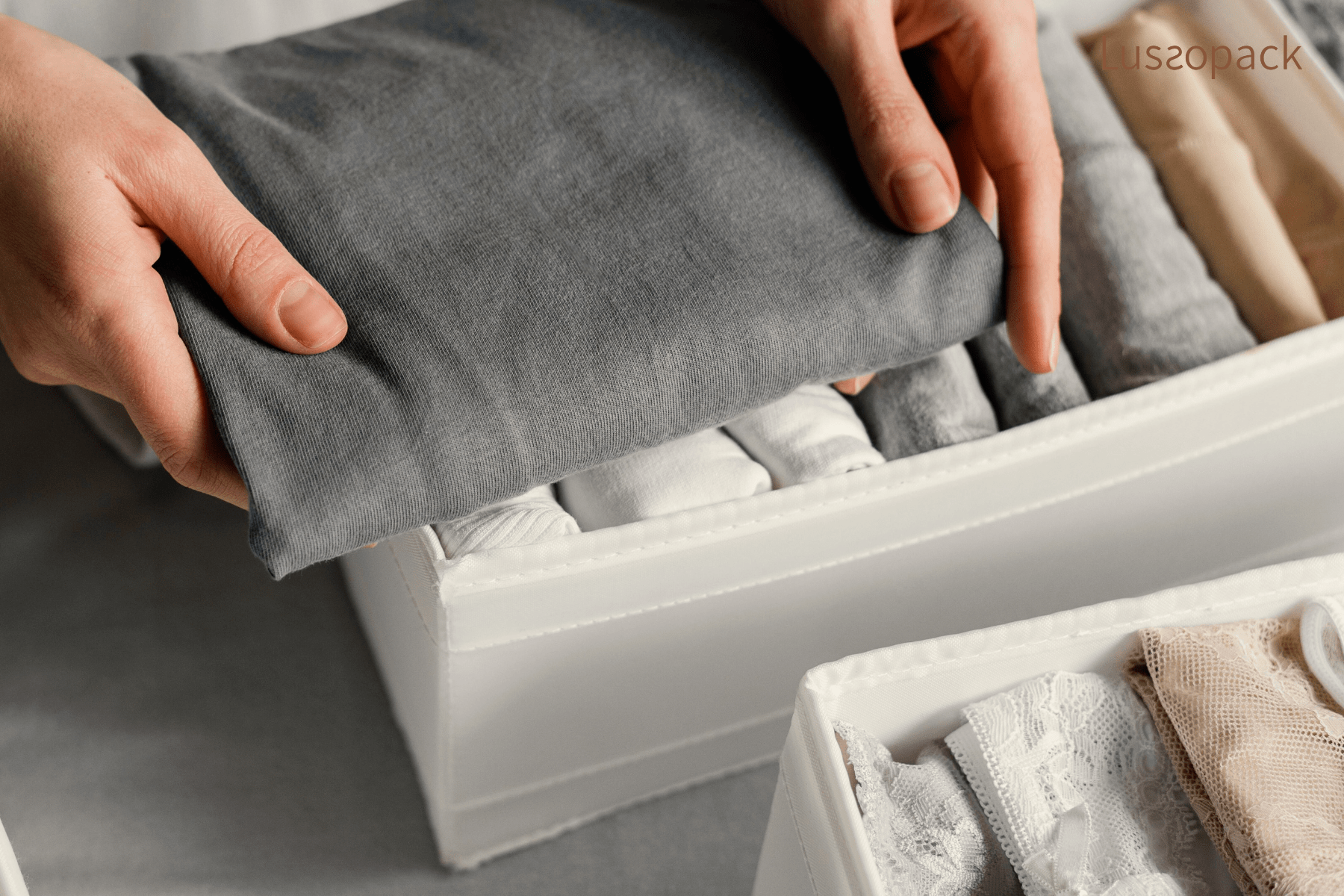
Premium clothing brands in England increasingly brief their partners to focus on sensory detail. The feel of the board when a customer runs a hand across custom apparel boxes, the satisfying click of a magnetic closure on luxury clothing packaging boxes, and even the gentle rustle of tissue when a shirt packing box is opened all contribute to emotional response.
The unboxing moment now extends far beyond private enjoyment. With customers sharing purchases on social platforms, the visual drama of opening garment packaging boxes has become a form of organic advertising. A dress box packaging design that layers branded tissue, ribbon, and a handwritten note invites photographs and video. Custom boxes for clothing that reveal a contrasting colour as lids are lifted help create small, theatrical gestures. When multiplied across hundreds of posts and shares, these experiences help drive both brand awareness and sales.
Practical Tips for Implementing Premium Packaging
Knowing that premium apparel packaging sells is one thing. Putting it into practice in a busy retail operation is another. Here are some practical steps!
Assessing Your Current Packaging Strategy
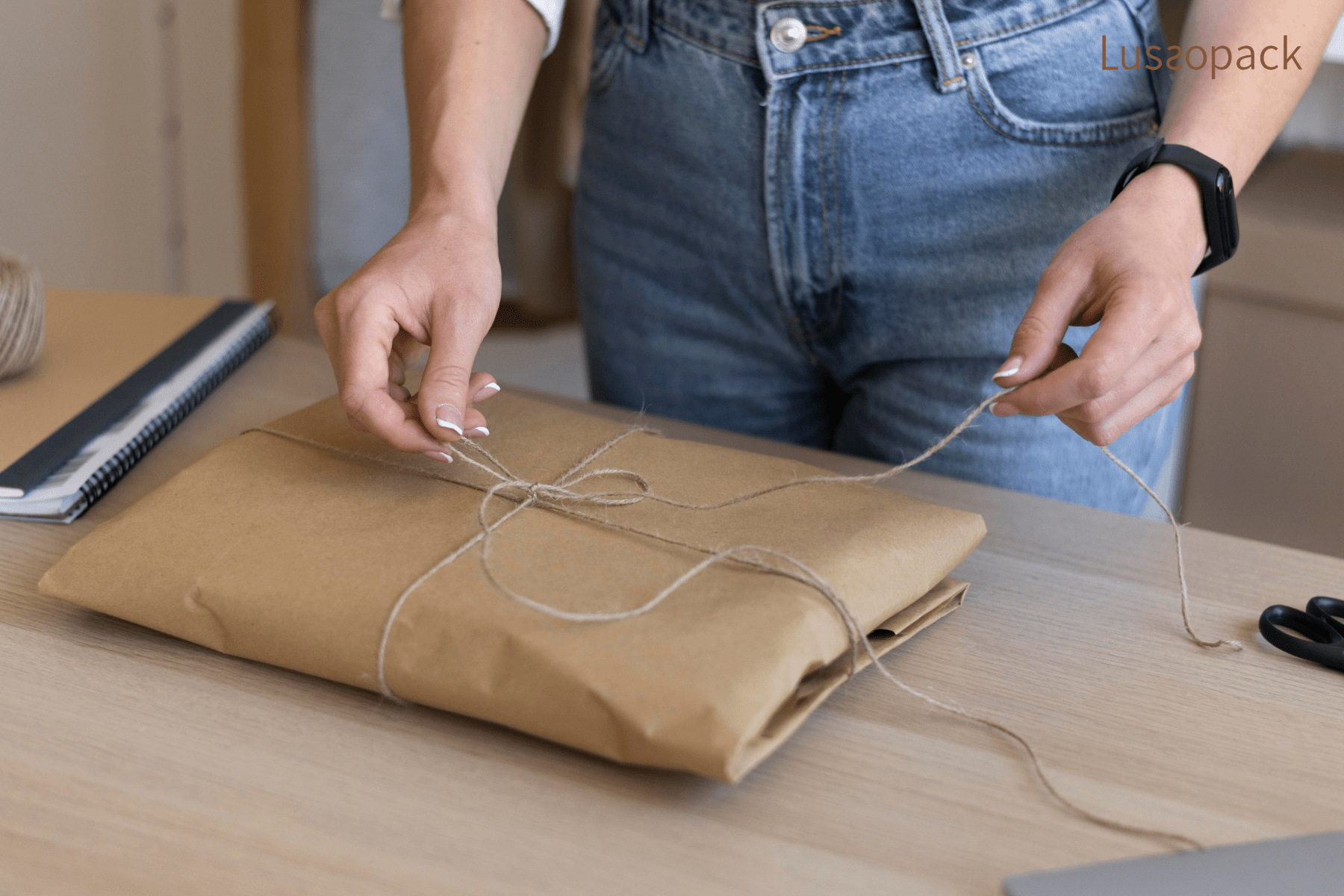
Look honestly at your current apparel packaging and ask:
- Do my clothing packaging boxes reflect my price point?
- Are my clothes packing boxes or wardrobe packing boxes arriving in perfect condition?
- Does my shirt packing box or dress packing box look like something a customer would want to keep?
Gather feedback from customers and store teams. Their comments will quickly show where packaging falls short.
Collaborating with Designers and Packaging Suppliers

Work with trusted clothing packaging manufacturers that understand the English market. They can advise on structure, materials, and packaging supplies for clothing that comply with local regulations and shipping standards. Reliable production partners are essential when you move from standard packaging to more ambitious custom apparel packaging.
Consider your full range of packaging needs. Many brands in England use a combination of:
- Custom boxes for shirts for formalwear collections
- Dress box packaging for eveningwear or bridal lines
- Garment packaging boxes for outerwear or knitwear
- Clothes packing boxes for sale in stores, especially when customers want a protective solution for travel or gifting
Choosing the right mix of packaging supplies for clothing avoids waste and keeps costs under control while still delivering a premium feel where it matters most.
Collaboration is key. Share your brand guidelines, target persona, and long-term goals with your packaging partners. When you brief a project for custom packaging for apparel, include images of your stores, website, and campaigns. The closer the alignment, the easier it is to design custom packaging for clothing that feels naturally integrated with your brand universe.
Testing and Iteration
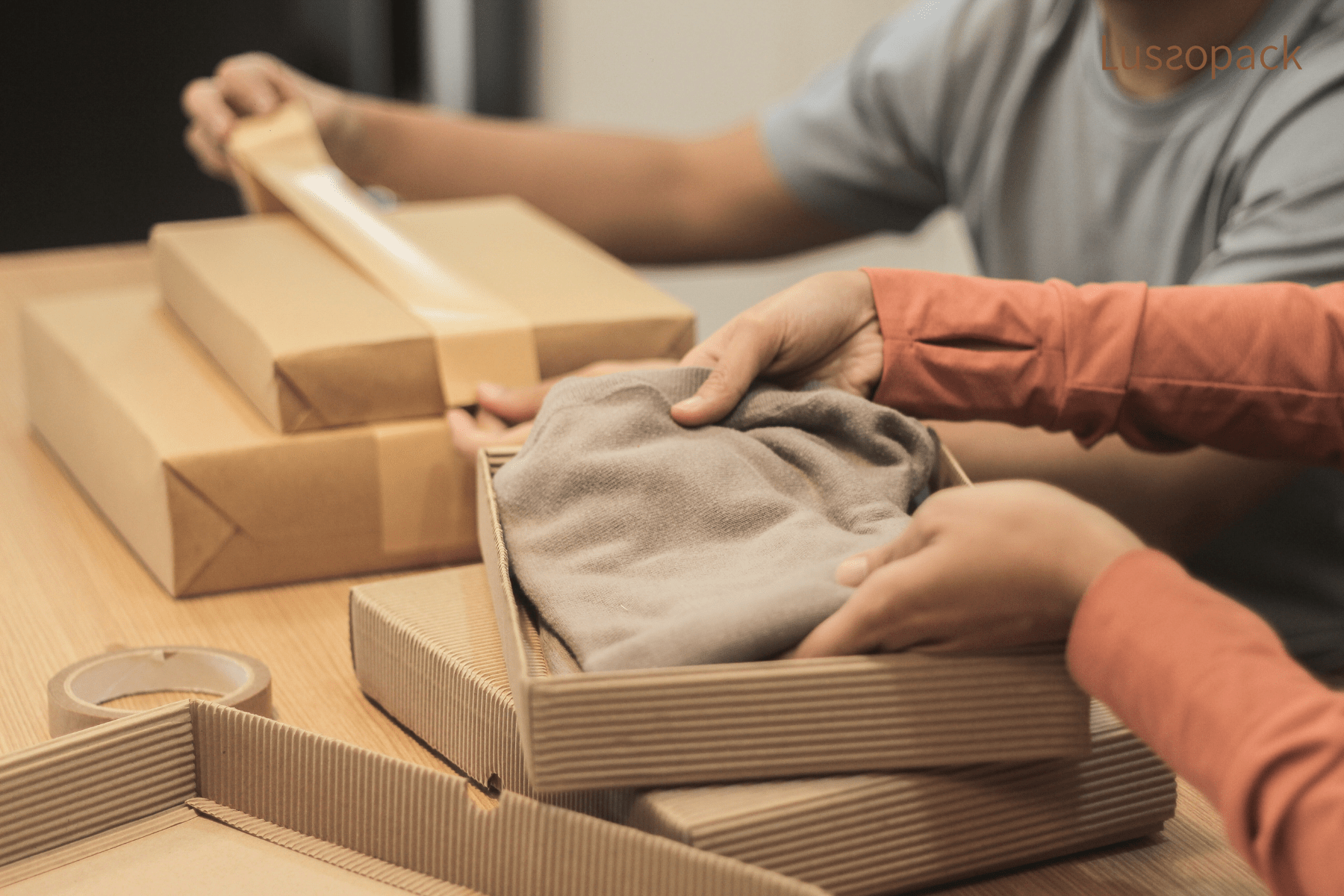
Before rolling out new luxury packaging for clothing across all locations in England, test a smaller batch. A/B test two versions of clothing packaging in selected stores or through limited online drops. Monitor not only sales, but also returns, customer feedback, and any increase in social media mentions or user-generated content.
This data gives you clear direction on whether your new luxury clothing packaging boxes or custom clothing packaging boxes are hitting the mark.
For English brands, where competition is fierce and standards are high, investing in luxury apparel packaging and custom packaging for shirts or dresses is no longer optional. It is a key part of a coherent brand experience.
If you want your clothing line to feel as refined on the outside as it does on the hanger, speak to Lussopack. Our team specialises in custom boxes for clothing, apparel packaging, and luxury packaging for clothing that are engineered for beauty, protection, and sales performance in the English market. Let us help you create apparel packaging that customers remember, keep, and talk about long after the initial purchase!