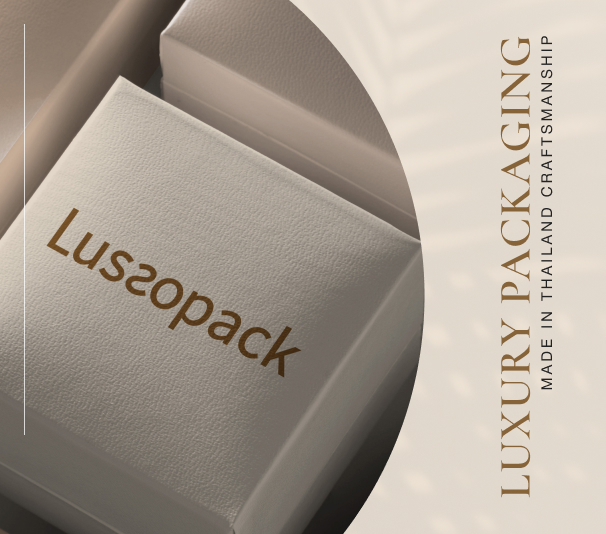
Color psychology plays a powerful role. Before a customer opens the box, before they touch the ribbon or feel the weight of the lid, they’ve already formed an impression. That impression is built almost entirely on color.
For jewelry brands, that split-second read matters. The wrong color can undermine a price point, blur a brand story, or simply disappear on a retail shelf. Here’s a practical look at the ten colors we see chosen most often: what each communicates, who tends to use it, and where it works best.
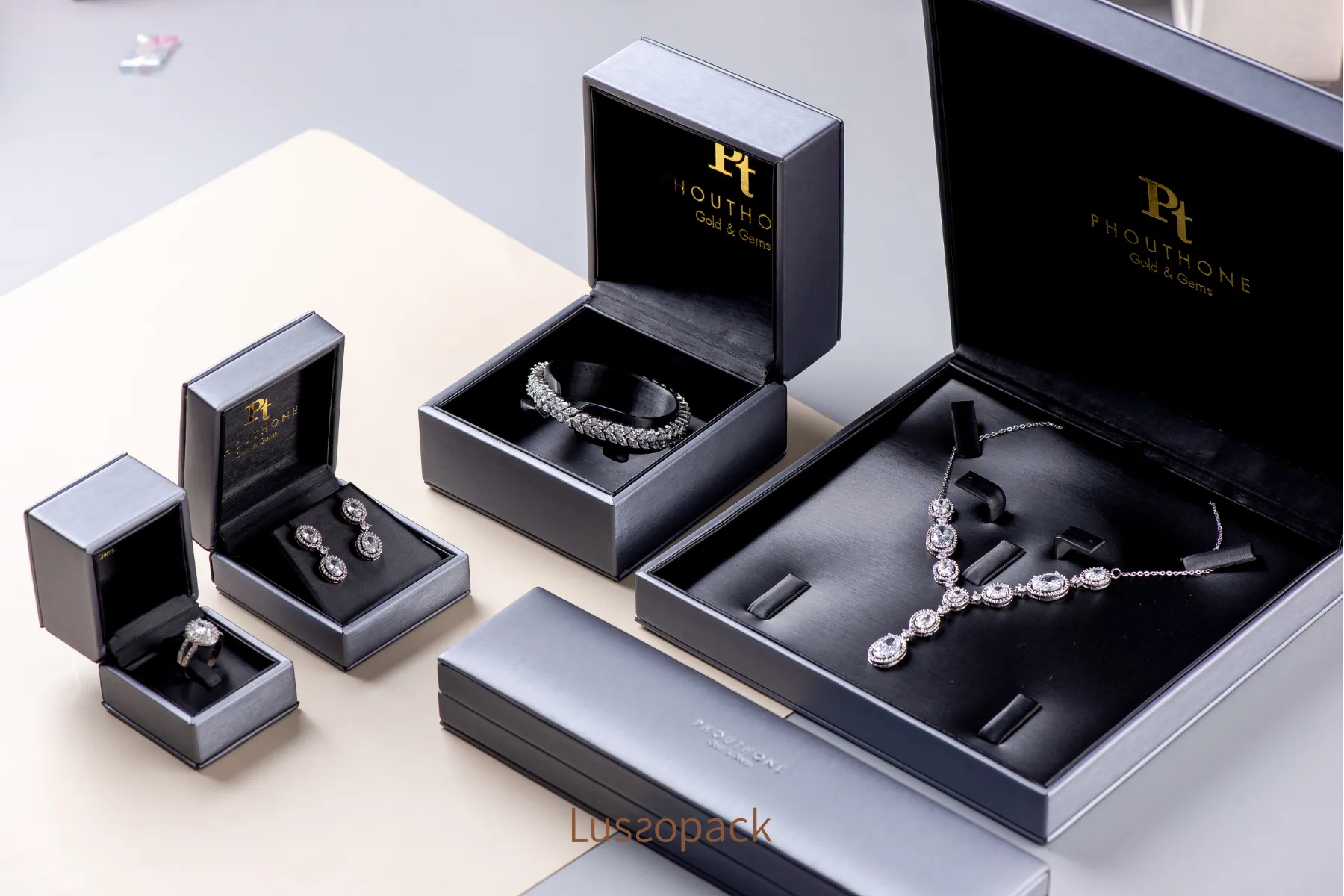
Black: The default luxury choice (for good reason)
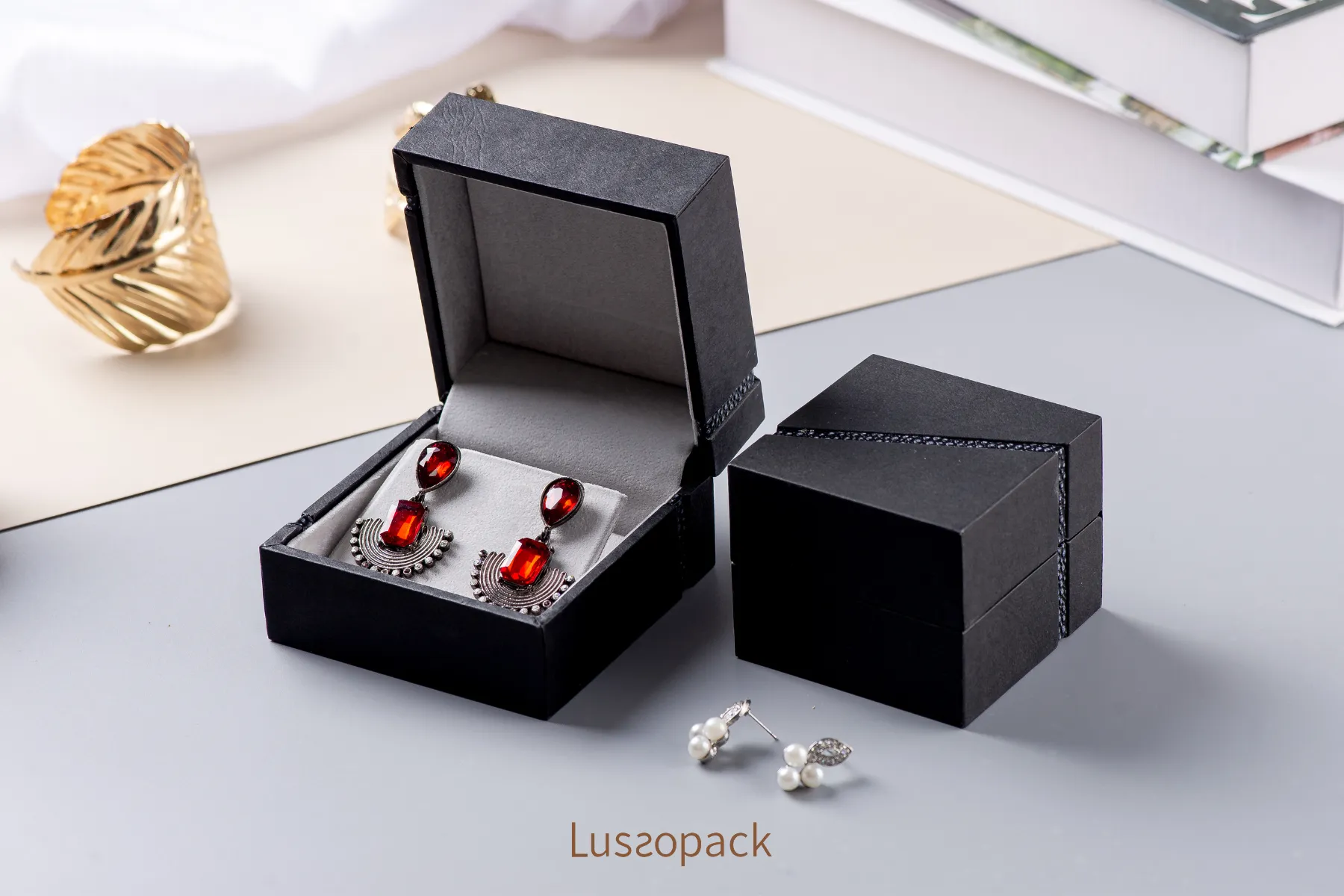
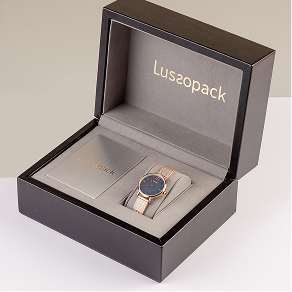
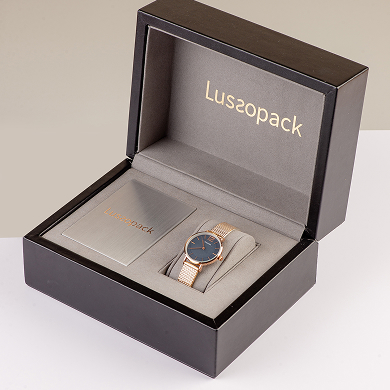
Black remains the dominant color in premium jewelry packaging, and it’s not hard to see why. It recedes. It lets the jewelry speak. Against a black velvet lining, most metals and stones look more vivid than they would against almost any other background.
The risk is that black has become expected in the mid-market. If you’re selling at a genuinely elevated price point, black still signals seriousness, but the details matter more. Matte vs. glossy, the quality of the closure, the weight of the lid: these are what separate a premium black box from a generic one.
Works well for: fine jewelry, men’s collections, high-ticket statement pieces, and brands that want the aesthetic to feel timeless rather than trend-driven.
Distinctive Jewelry Brands Using Black Packaging
Many luxury jewelry brands use black packaging to signify prestige. A black jewelry box, especially a black leather jewelry box, increases the allure of premium pieces. Some of the world’s most exclusive brands, including those specializing in fine diamonds and watches, utilize black packaging to create a dramatic and memorable unboxing experience. The deep, rich color sets the stage for high-value items, creating an emotional response of excitement and exclusivity
Styling Tips for Black Jewelry Boxes
- Ideal for high-end and classic jewelry collections.
- Pair with gold or silver accents for an extra touch of opulence.
- A matte or glossy black finish adds a refined aesthetic.
- Black velvet or leather adds an extra layer of luxury.
- Use embossed or metallic logos to boost brand recognition.
- Works well for men’s jewelry collections, offering a sleek and sophisticated presentation.
White: Bridal, minimal, and harder to execute than it looks
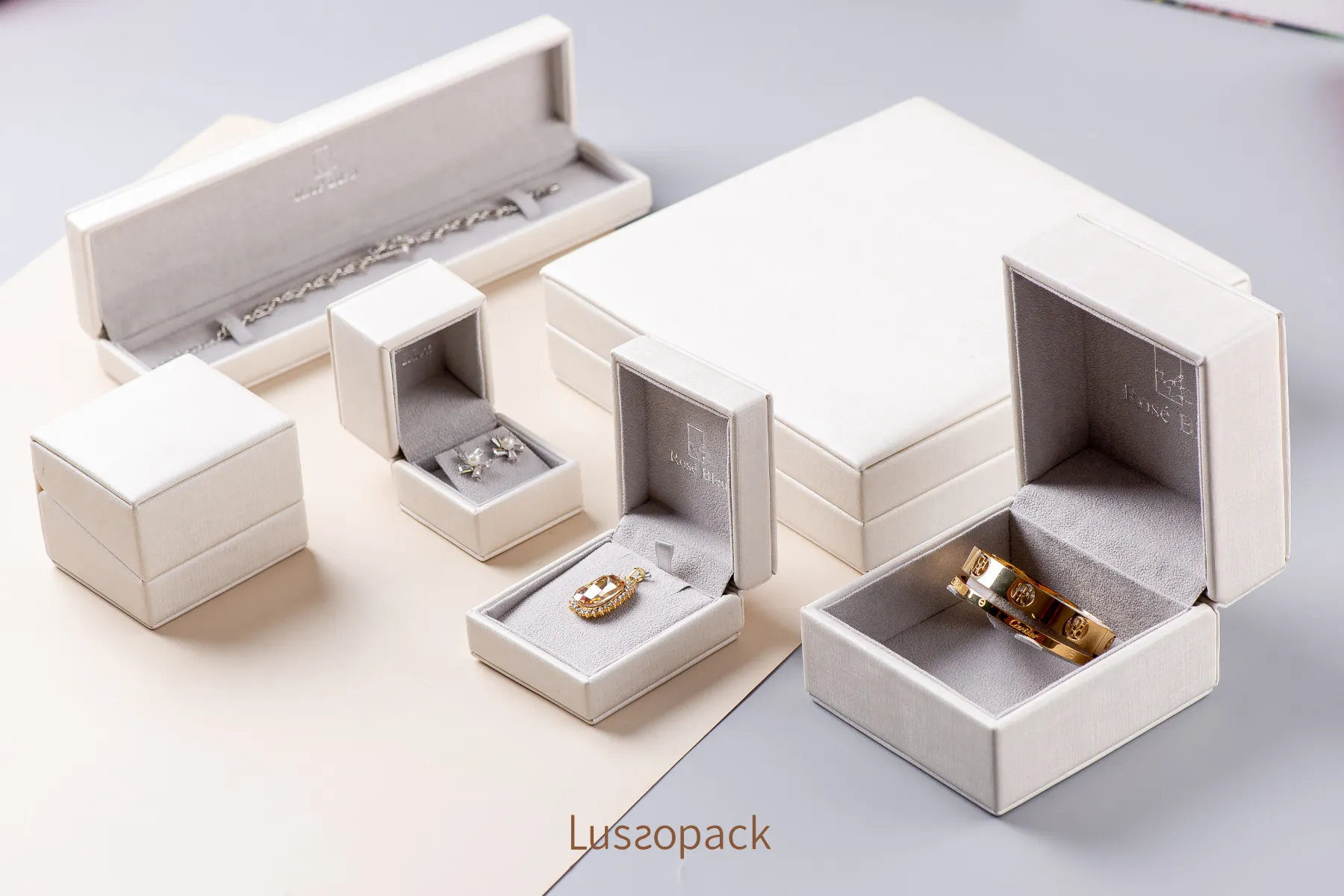
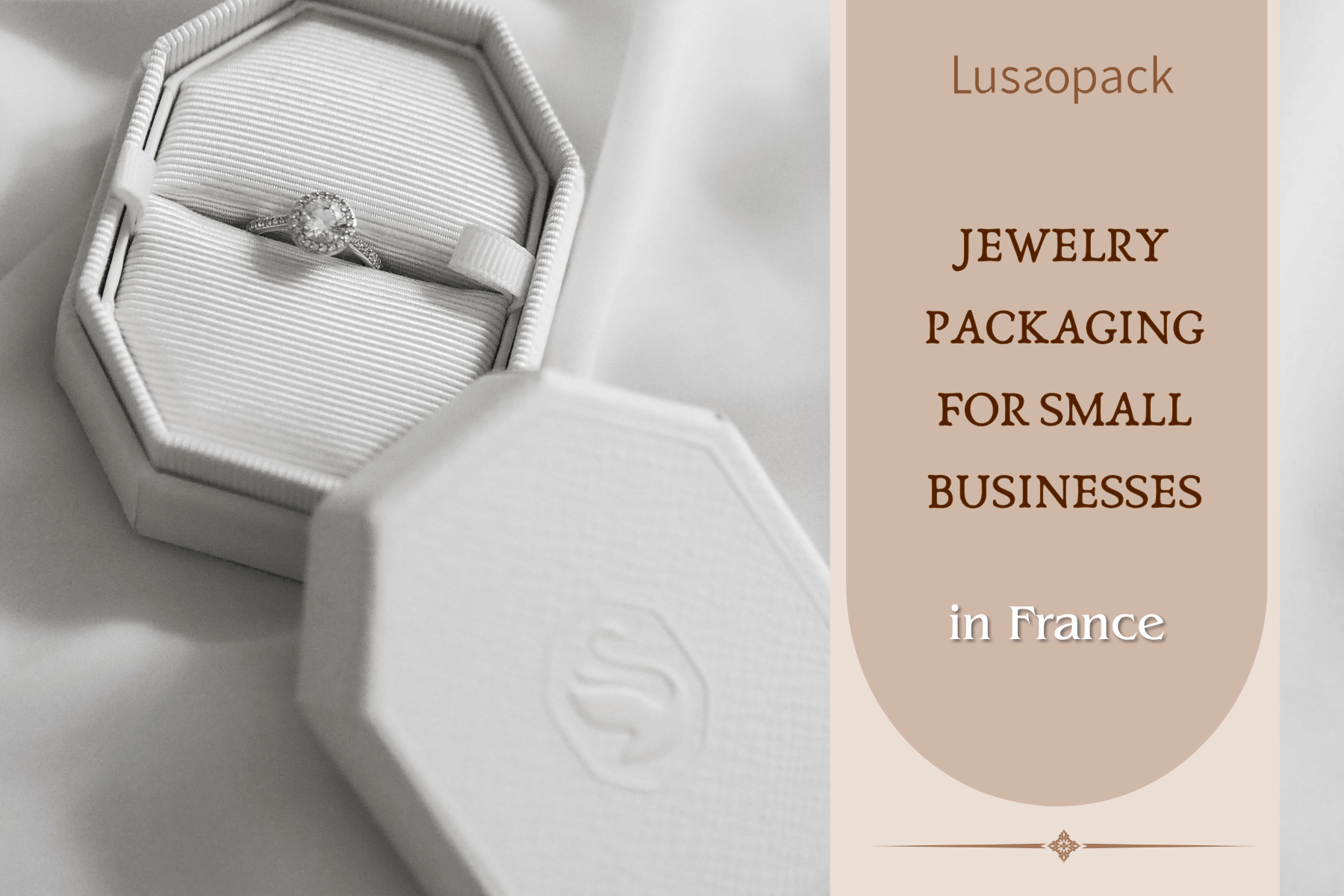
White packaging looks effortless when it’s done well and cheap when it isn’t. The material quality and finish are everything here. A thin white box with a flimsy lid reads as entry-level, while a heavyweight white box with a satin interior and subtle embossed logo can feel genuinely elevated.
White is the natural choice for bridal and engagement jewelry, where the associations with purity and ceremony are already in place. It also works well for brands with a genuinely minimal aesthetic, the kind of jewelry that relies on form rather than ornamentation.
Pairs well with: silver foil detailing, ivory or blush interiors, clean embossed logos.
Distinctive Jewelry Brands Using White Packaging
Many bridal and diamond jewelry brands opt for white packaging to emphasize purity and elegance. The color reflects light beautifully, making it an excellent choice for showcasing the brilliance of diamonds and gemstones. White packaging is often associated with premium brands that focus on classic, sophisticated designs. Many luxury brands also combine white with metallic hues, like silver or gold, to create an elegant and timeless look.
Styling Tips for White Jewelry Boxes
- Best for diamond, pearl, or minimalist jewelry collections.
- Pairs beautifully with silver, rose gold, or light pastels.
- Keep packaging sleek and clean to maintain a modern feel.
- Textured white packaging, such as embossed or satin finishes, adds depth and refinement.
- White boxes with soft inserts (such as velvet or silk) boost the luxurious presentation.
- Works well for limited-edition collections and bespoke jewelry pieces.
Pink Jewelry Box – Romance and Charm
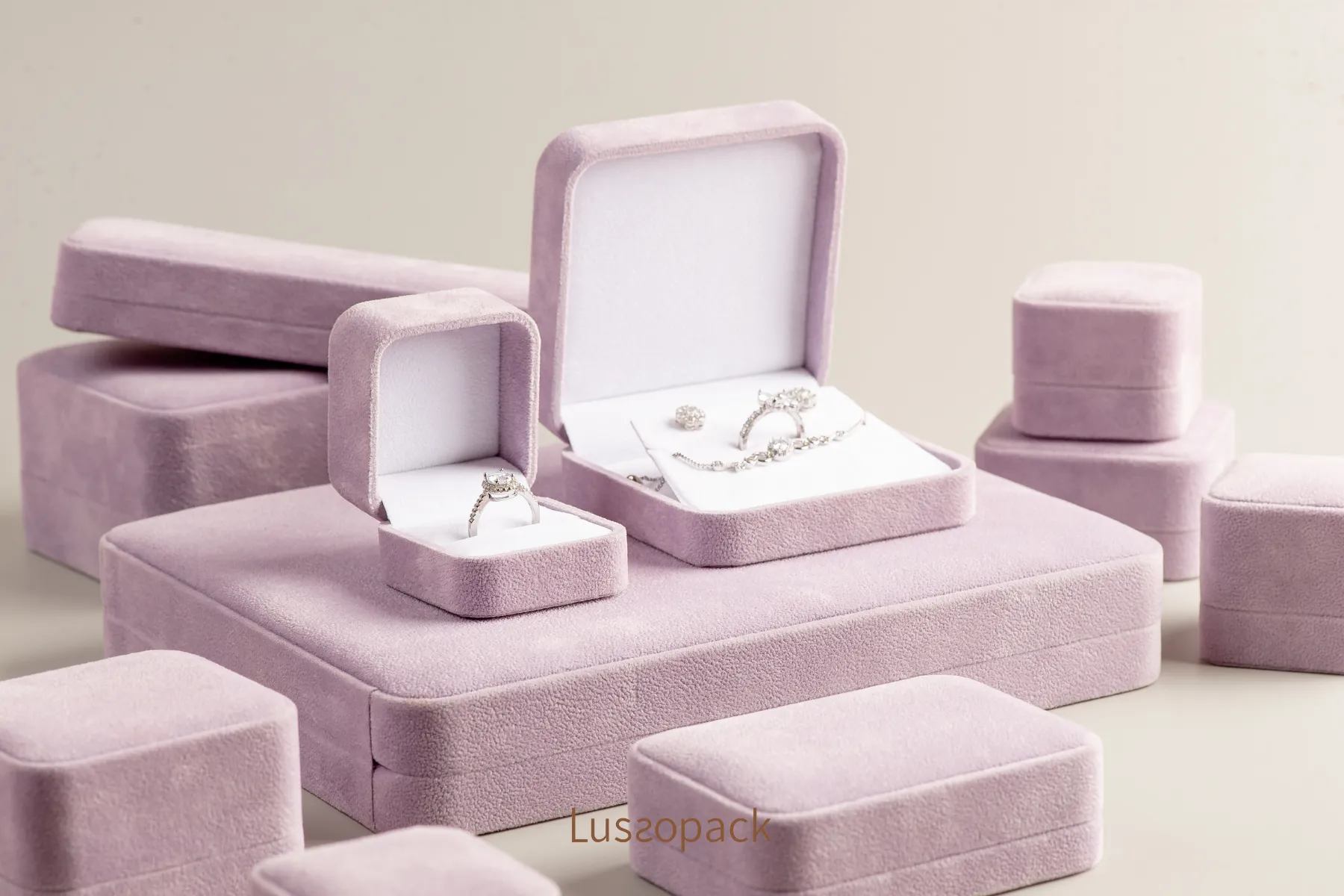
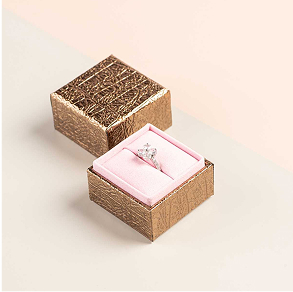
Pink is the color most buyers are hesitant about until they see the right execution. Light blush pink in a matte finish with a gold-foil logo is a different proposition entirely from hot pink with a glossy finish, but both read as pink in the brief.
It works for romance-positioned jewelry, charm and bracelet collections, and brands specifically targeting a younger female audience. The challenge is avoiding a palette that dates quickly. Dusty rose and terracotta-adjacent pinks have a longer shelf life than bright candy tones.
Pairs well with: rose gold hardware, warm cream interiors, subtle texture.
Distinctive Jewelry Brands Using Pink Packaging
Brands targeting a younger, trendier audience or those selling romantic pieces frequently use pink packaging boxes to increase their appeal. Many contemporary jewelry brands opt for pink packaging to position themselves as chic and stylish, appealing to customers who value fashion-forward aesthetics. Pink packaging is often seen in collections featuring charm bracelets, delicate necklaces, and engagement rings designed for modern romantics.
Styling Tips for Pink Jewelry Boxes
- Light pink exudes softness and charm, while hot pink adds energy.
- Perfect for engagement rings, charm bracelets, and delicate pieces.
- Combine with rose gold for a luxurious, modern touch.
- Glossy pink finishes add a sense of glamour, while matte pink offers a soft, elegant feel.
- Works well with floral-themed or personalized jewelry packaging.
- Incorporate delicate patterns or foil stamping to elevate its appeal.
Blue Jewelry Box – Trust and Prestige
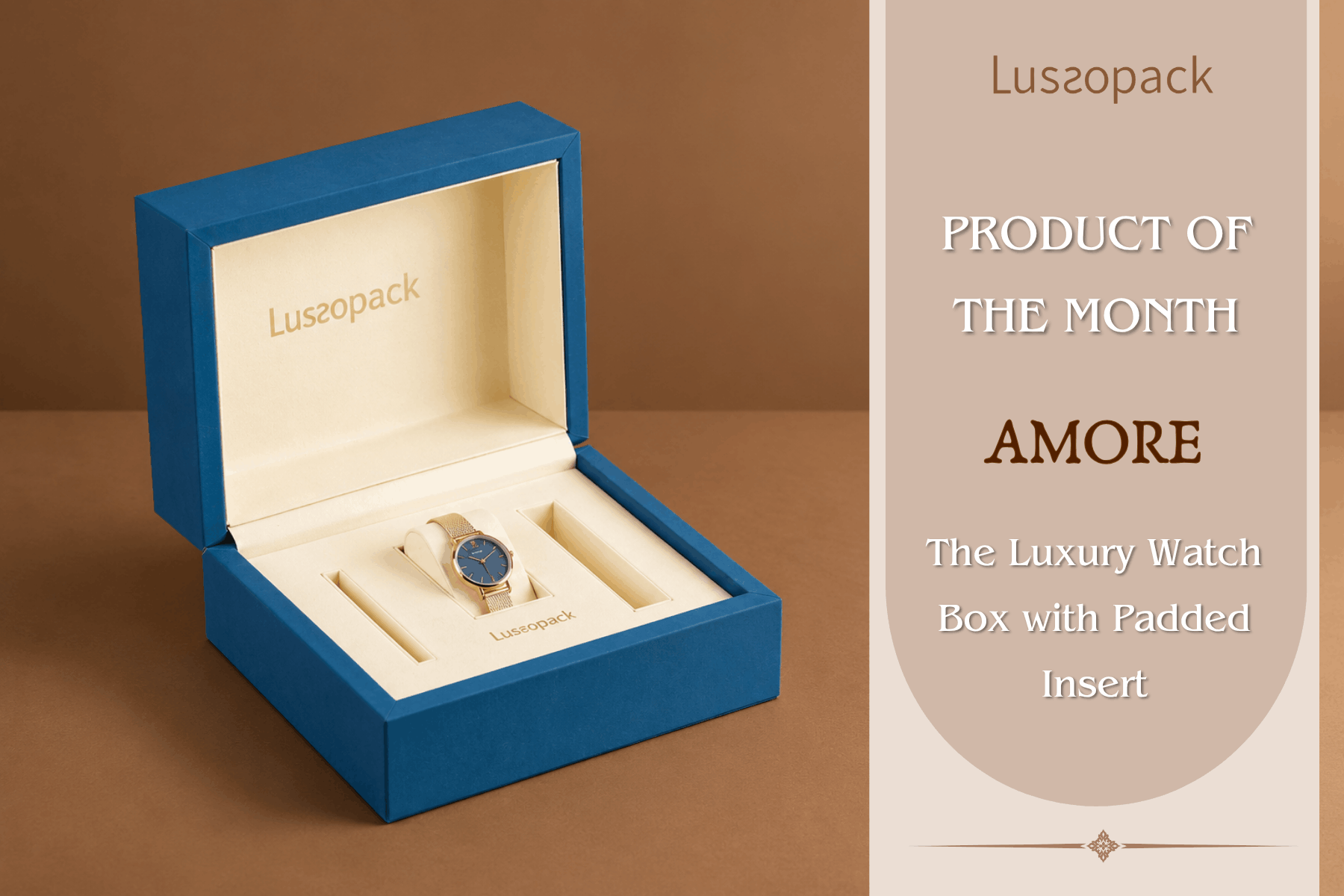
Tiffany effectively owns a specific shade of robin’s egg blue, which has made some brands reluctant to use blue at all. That’s a missed opportunity. Navy and dark teal read entirely differently. They’re associated with precision, trustworthiness, and heritage, which is exactly right for watch packaging or fine jewelry with a traditional positioning.
Lighter blues work well for aquatic or nature-inspired collections. The key is choosing a shade that’s far enough from Tiffany’s pantone to feel original.
Pairs well with: silver or white interiors, clean typography, velvet linings.
Distinctive Jewelry Brands Using Blue Packaging
The Tiffany blue jewelry box is a prime example of how a specific shade of blue can become iconic in the jewelry world. This signature color has become synonymous with exclusivity and timeless beauty, reinforcing the prestige of the brand. Many other luxury and fine jewelry brands use dark blue packaging to strengthen their brand’s elegance and trustworthiness.
Styling Tips for Blue Jewelry Boxes
- Dark blue evokes a sense of trust and dependability.
- Light blue is refreshing and youthful.
- Ideal for engagement rings, pearls, and timeless jewelry.
- Pair with silver or white to create a sophisticated and high-end feel.
- A velvet or satin-lined blue jewelry box adds extra luxury.
- Works well for nautical-themed or vintage-inspired jewelry collections.
Red Jewelry Box – Passion and Confidence
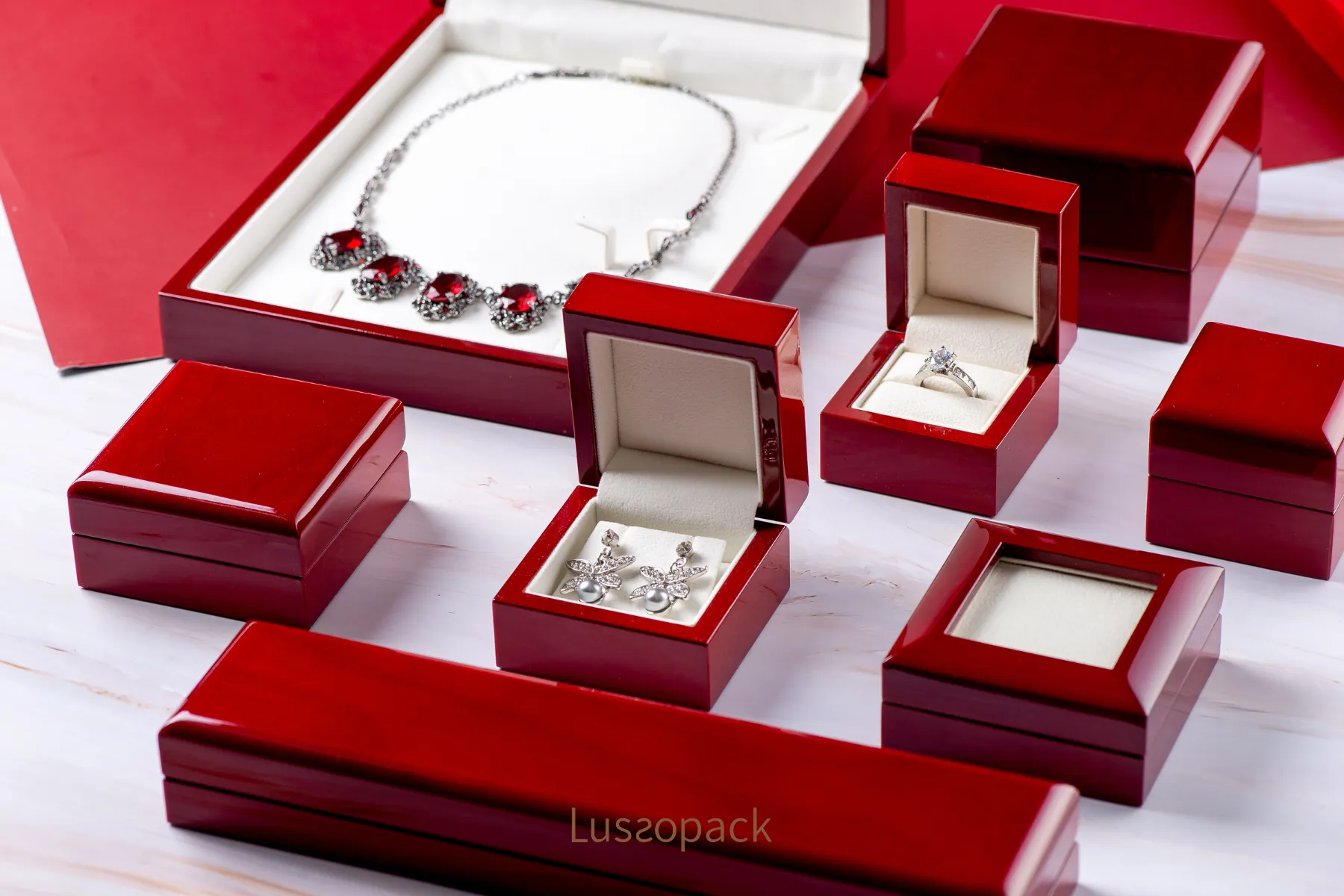
Red is effective and dangerous in equal measure. It’s the strongest attention-grabbing color on this list, which makes it genuinely useful for limited editions, Valentine’s campaigns, and statement pieces. The problem is that overuse makes it feel like a holiday promotion rather than a brand identity.
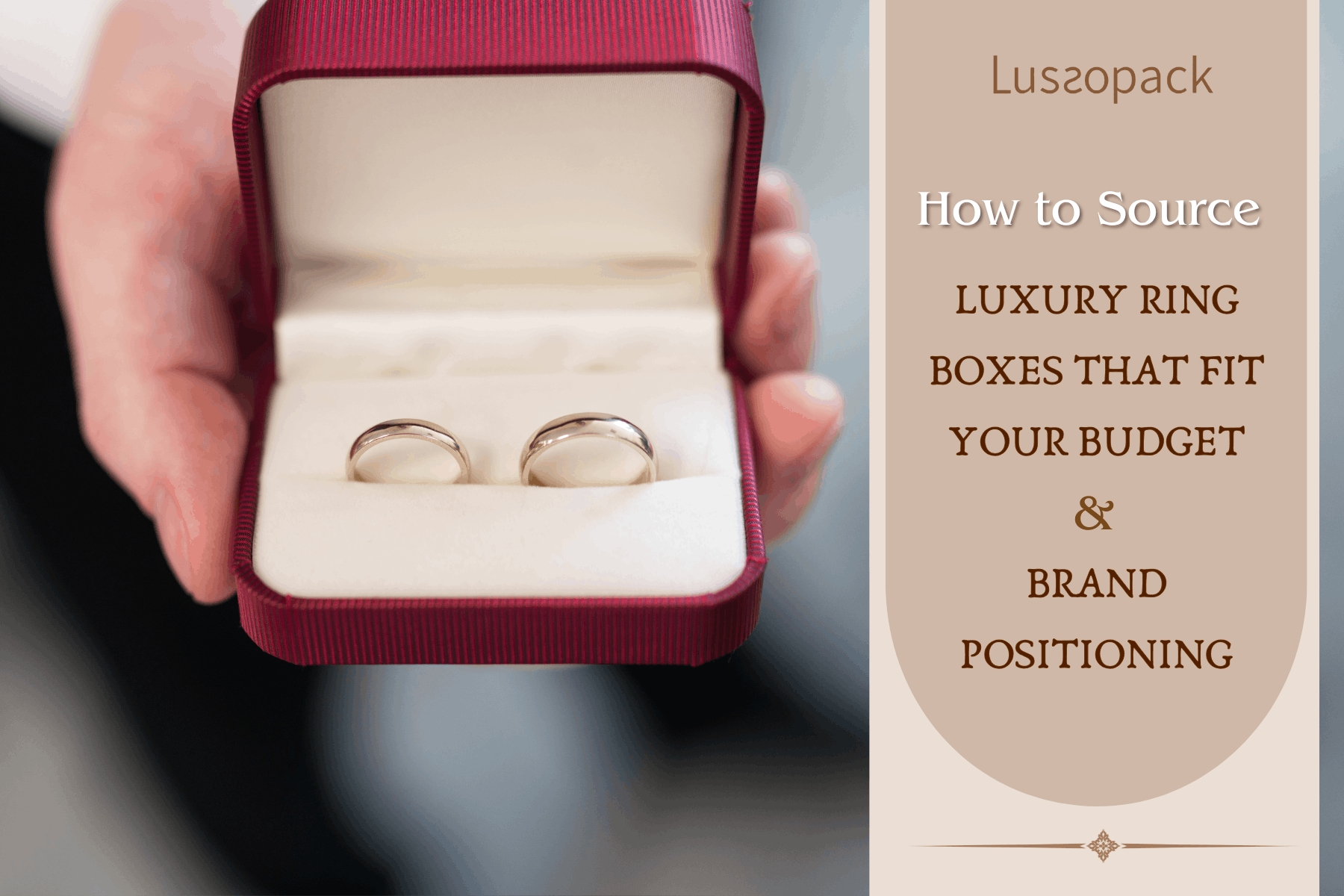
Deep burgundy and wine tones are a more sustainable choice for brands that want warmth and energy without locking themselves into seasonal associations.
Pairs well with: gold hardware, black interiors for contrast, velvet linings.
Distinctive Jewelry Brands Using Red Packaging
High-end brands use red to highlight limited-edition collections or romantic gifts. Many fine jewelry brands introduce red jewelry boxes around holidays like Valentine’s Day or Christmas to align with seasonal gift-giving trends. Red packaging often creates a sense of exclusivity and prestige, making it a compelling choice for brands selling engagement rings, anniversary gifts, and statement necklaces.
Styling Tips for Red Jewelry Boxes
- Best for Valentine’s Day collections or statement jewelry.
- Pair with gold or black for a bold contrast.
- Glossy red adds a luxurious feel, while matte red is more contemporary.
- Works well for luxury collections aimed at creating an emotional impact.
- Consider deep burgundy tones for a refined, elegant appeal.
- Red velvet inserts can add a classic, vintage touch to the packaging.
Green Jewelry Box – Harmony and Luxury
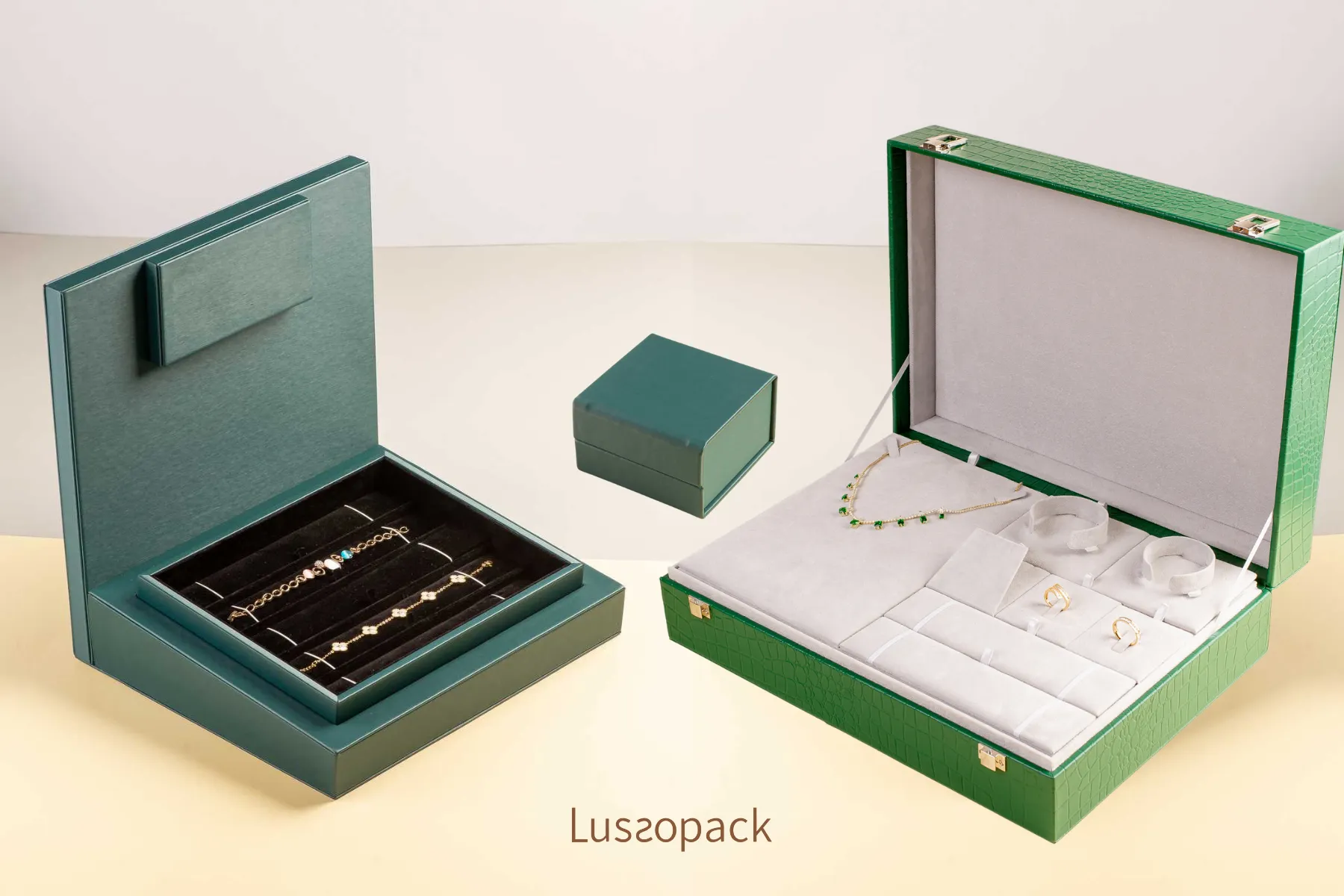
Green’s associations have shifted considerably in the last decade. It’s still the clearest signal of ecological values in packaging, but emerald green and deep forest tones now read as genuinely luxurious, partly because a few high-fashion houses have used them well.
For jewelry brands that source ethically or use recycled materials, green makes the sustainability story visible at the moment of purchase. For gemstone-focused brands, particularly those featuring emeralds or tourmalines, it’s a natural extension of the product story.
Pairs well with: gold and bronze accents, natural textures like suede or cotton, kraft paper inserts.
Distinctive Jewelry Brands Using Green Packaging
Sustainable and nature-inspired jewelry brands often choose green packaging to reflect their eco-conscious values. Many ethical jewelry brands use green velvet jewelry boxes to strengthen the luxurious appeal while maintaining a natural and organic aesthetic. Some high-end brands that focus on precious gemstones like emeralds also incorporate green packaging to align with their signature collections.
Styling Tips for Green Jewelry Boxes
- Dark green conveys luxury and stability.
- Light green feels fresh and modern.
- Works well for nature-themed and ethically sourced jewelry.
- Pair with gold or bronze accents for a regal look.
- Textured green packaging (like velvet or suede) improves its luxurious feel.
- Suitable for jewelry featuring natural stones or sustainable materials.
Purple Jewelry Box – Royalty and Creativity
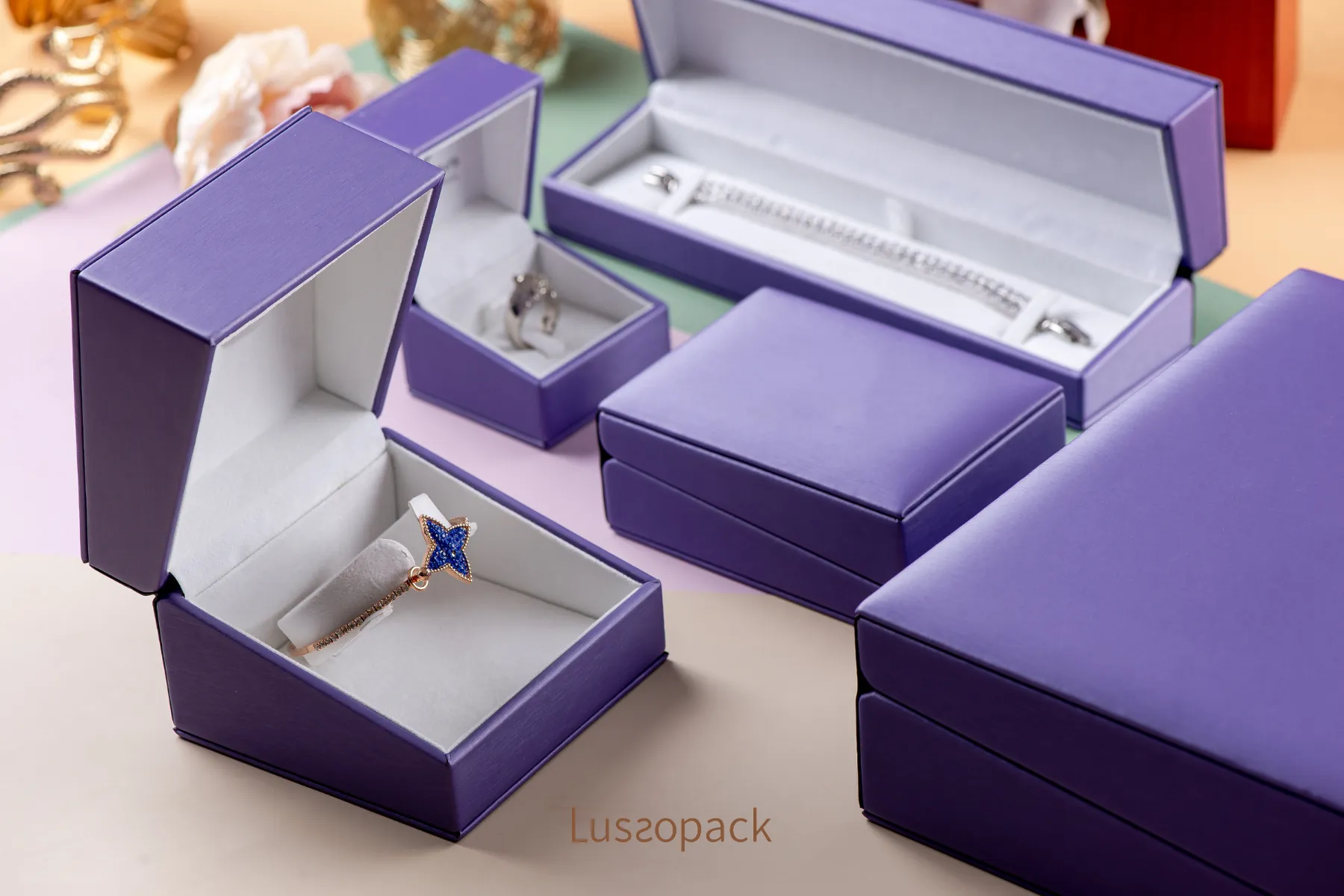
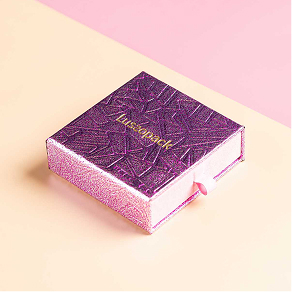
Purple is underused in jewelry packaging, which makes it memorable. Deep plum and violet tones carry real weight. They read as rich and considered rather than safe. Lavender and soft lilac are lighter and more romantic, better suited to delicate or handcrafted pieces.
The main challenge is production consistency. Purple is notoriously difficult to print accurately, and some runs end up looking faded or muddy. Worth discussing with your manufacturer before committing.
Pairs well with: gold foil, silver interiors, velvet linings.
Distinctive Jewelry Brands Using Purple Packaging
Luxury and artistic brands often use purple packaging to stand out in a sophisticated way. Many high-end jewelry companies incorporate deep purple into their packaging to communicate elegance and exclusivity. Artistic brands, particularly those specializing in unique, handcrafted, or one-of-a-kind pieces, may choose softer shades of purple to emphasize creativity and individuality.
Styling Tips for Purple Jewelry Boxes
- Deep purple conveys a luxurious and vintage aesthetic.
- Lavender is soft, calming, and romantic.
- Best suited for statement and handcrafted jewelry pieces.
- Combine with gold or silver accents for an elevated, regal look.
- A purple jewelry box lined with velvet enhances its luxurious appeal.
- Works well for gemstone jewelry, particularly amethyst and opal pieces.
Beige Jewelry Box – Timeless Elegance and Versatility
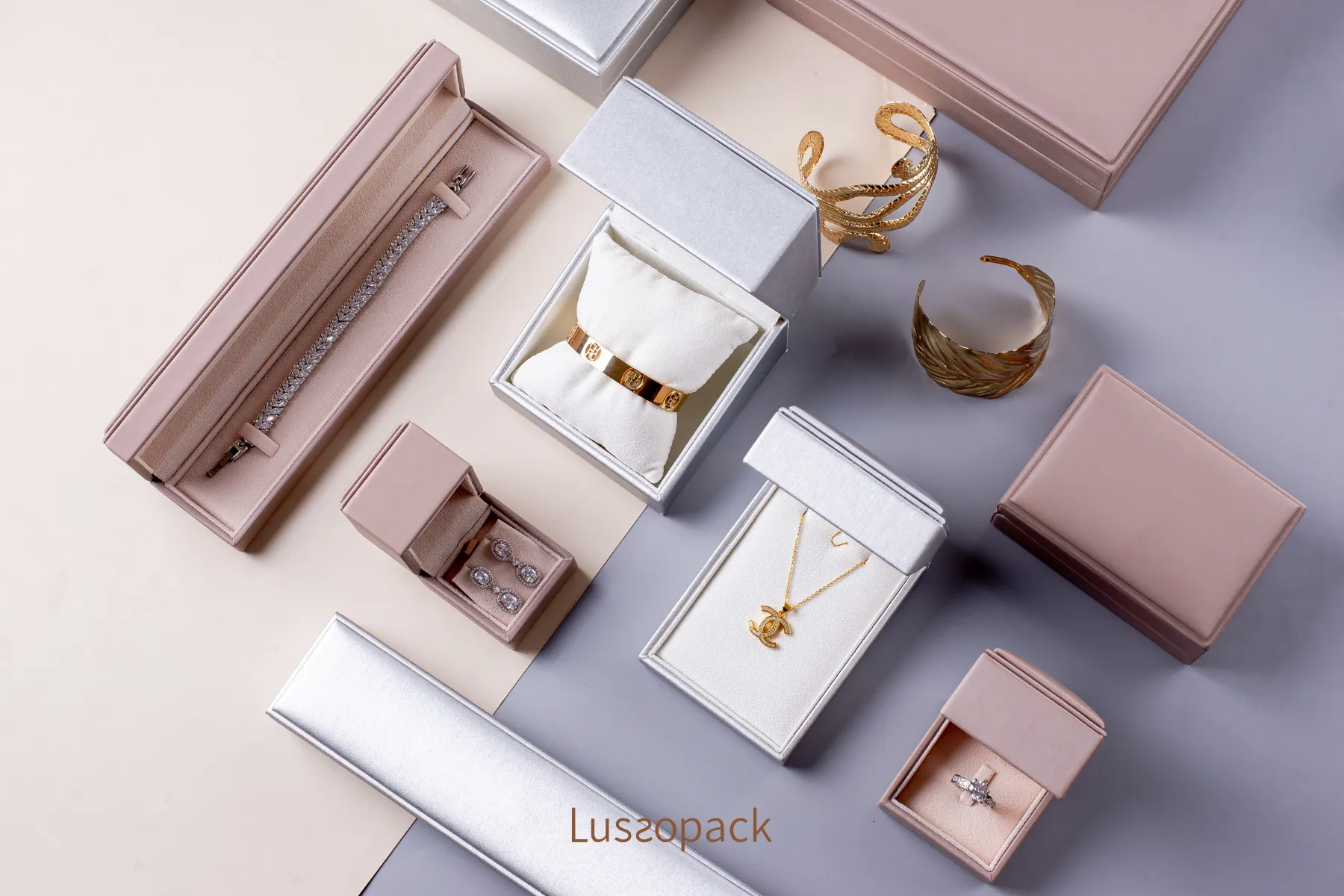
There’s been a clear move toward neutral tones in the premium market over the past few years, and beige has benefited from that. When it’s executed with quality materials, thick board, suede or linen texture, and clean typography, it reads as understated and confident rather than plain.
It’s a strong choice for brands that want to feel premium without the starkness of black or the bridal associations of white. Particularly effective for pearl jewelry, delicate gold pieces, and brands with a Scandinavian or Japanese-influenced aesthetic.
Pairs well with: warm gold hardware, natural fibers, soft cream or ivory interiors.
Distinctive Jewelry Brands Using Beige Packaging
Luxury and minimalist jewelry brands often choose beige packaging for its ability to complement a wide range of jewelry styles. Many high-end brands incorporate beige tones to highlight their craftsmanship and maintain a clean, elegant aesthetic. This color works particularly well for bridal jewelry, pearls, and delicate gemstone collections.
Styling Tips for Beige Jewelry Boxes
- Perfect for classic, minimalist, and high-end jewelry collections.
- Pairs beautifully with gold, rose gold, or soft pastels for an elegant look.
- Textured beige materials like suede, velvet, or linen enhance its sophisticated appeal.
- Works well for vintage, eco-friendly, and neutral-themed packaging.
- A matte or soft satin finish adds depth and luxury to the design.
Brown Jewelry Box – Earthiness and Stability
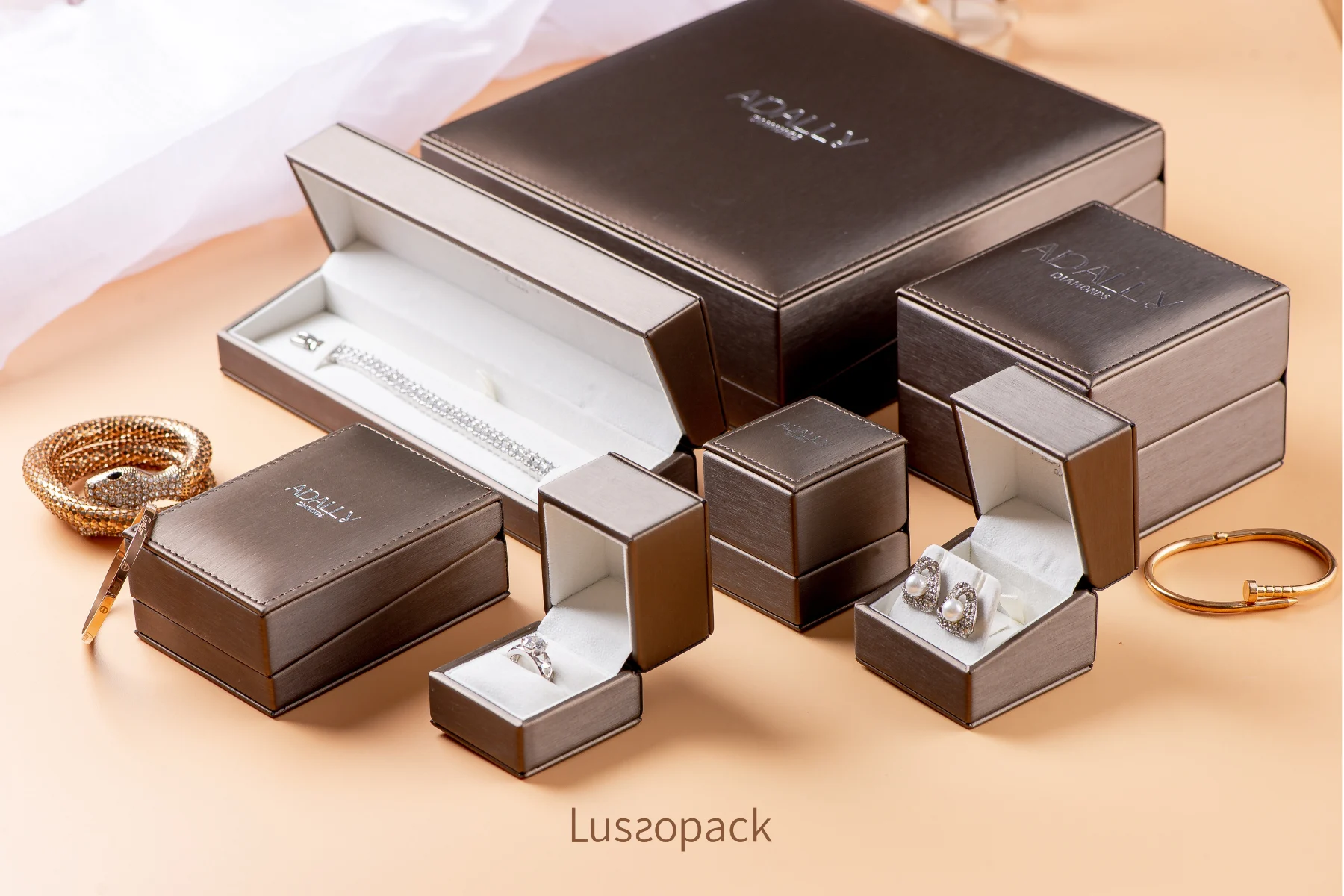
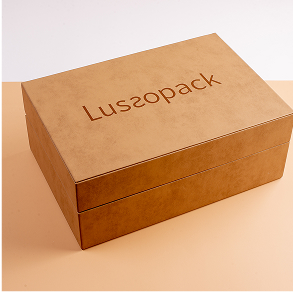
Brown packaging used to read as budget. That’s changed. Kraft paper and natural brown board now work well for handmade or ethically sourced jewelry, where the packaging should feel like an extension of the product’s values rather than a contrast to them.
The key is texture and detail. Raw kraft with a twine closure and a stamped logo can feel genuinely considered. Cheap brown board with a printed label does not.
Works best for: ethically sourced jewelry, bohemian and artisanal brands, eco-positioned collections.
Distinctive Jewelry Brands Using Brown Packaging
Eco-friendly brands frequently use brown packaging to highlight their commitment to sustainability. Many brands that focus on ethical sourcing, recycled materials, or handmade craftsmanship opt for brown to align with their brand values. Rustic and bohemian jewelry collections also frequently incorporate brown tones to emphasize their connection to nature.
Styling Tips for Brown Jewelry Boxes
- Kraft paper or textured brown boxes increase a natural look.
- Works well with rustic, bohemian, or handcrafted jewelry.
- Combine with green or beige for an organic feel.
- Stamped logos or twine wrapping can add an artisanal touch.
- Dark brown packaging conveys a more refined and luxurious appearance.
- Ideal for brands emphasizing ethical sourcing and environmental responsibility.
Gray Jewelry Box – Modernity and Neutrality
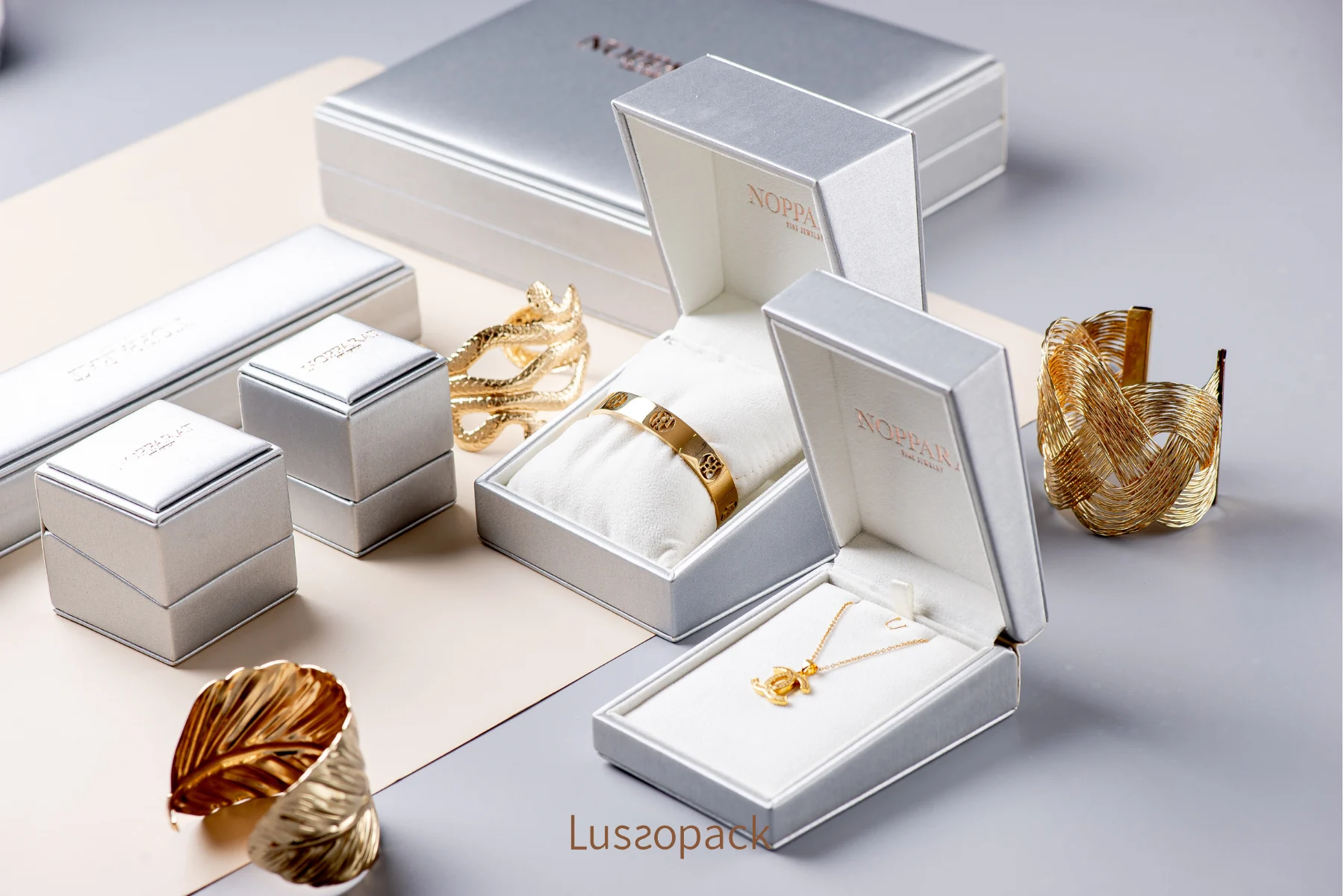
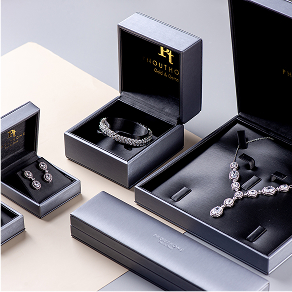
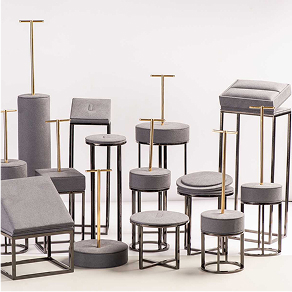
Gray is the most versatile neutral on this list. It works across price points, genders, and jewelry categories. Light gray has an airy, contemporary feel. Dark charcoal reads closer to black but with slightly softer edges.
The risk is that gray requires good finishing to avoid looking dull. A matte charcoal box with a spot UV logo looks intentional. A flat medium-gray box with nothing to break it up looks like an afterthought.
Pairs well with: white or silver interiors, bold typography, monochrome branding.
Distinctive Jewelry Brands Using Gray Packaging
Brands with a minimalist aesthetic prefer gray packaging for its versatility and understated elegance. Many luxury brands use gray jewelry boxes to create an effortlessly chic and modern presentation. Jewelry companies that focus on geometric, architectural, or monochrome designs often favor gray for its neutral yet sophisticated appeal.
Styling Tips for Gray Jewelry Boxes
- Light gray conveys softness and subtlety.
- Dark gray adds depth and luxury.
- Works well with silver or white accents for a high-end finish.
- A gray jewelry box with a suede or velvet lining adds an extra touch of elegance.
- Matte gray packaging gives a modern and sleek feel.
- Best suited for contemporary and unisex jewelry collections.
Choosing the right color for your brand
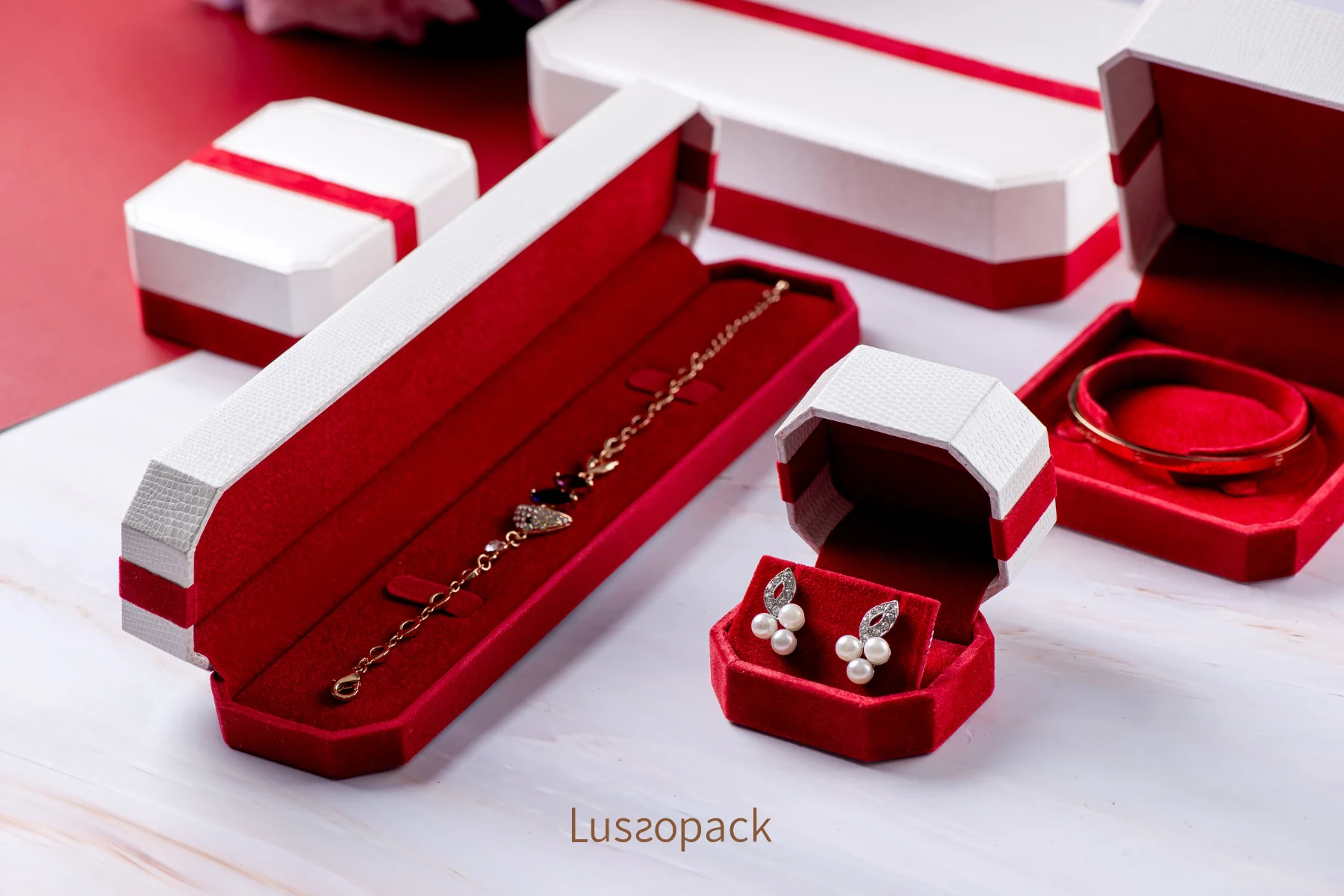
Color is one decision, but it’s not made in isolation. The finish (matte, gloss, soft-touch), the interior material, the closure mechanism, and the logo application all interact with the color to create the final impression.
If you’re building a packaging range from scratch, or reconsidering one that isn’t working, it’s worth seeing samples before committing. The difference between how a color looks on screen and how it reads in a physical box is significant, and getting it wrong at scale is expensive.
Lussopack produces custom jewelry packaging in any configuration, with full prototyping before production. Contact the team to discuss your brand’s requirements and request samples.