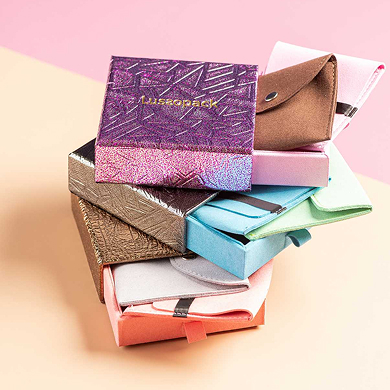
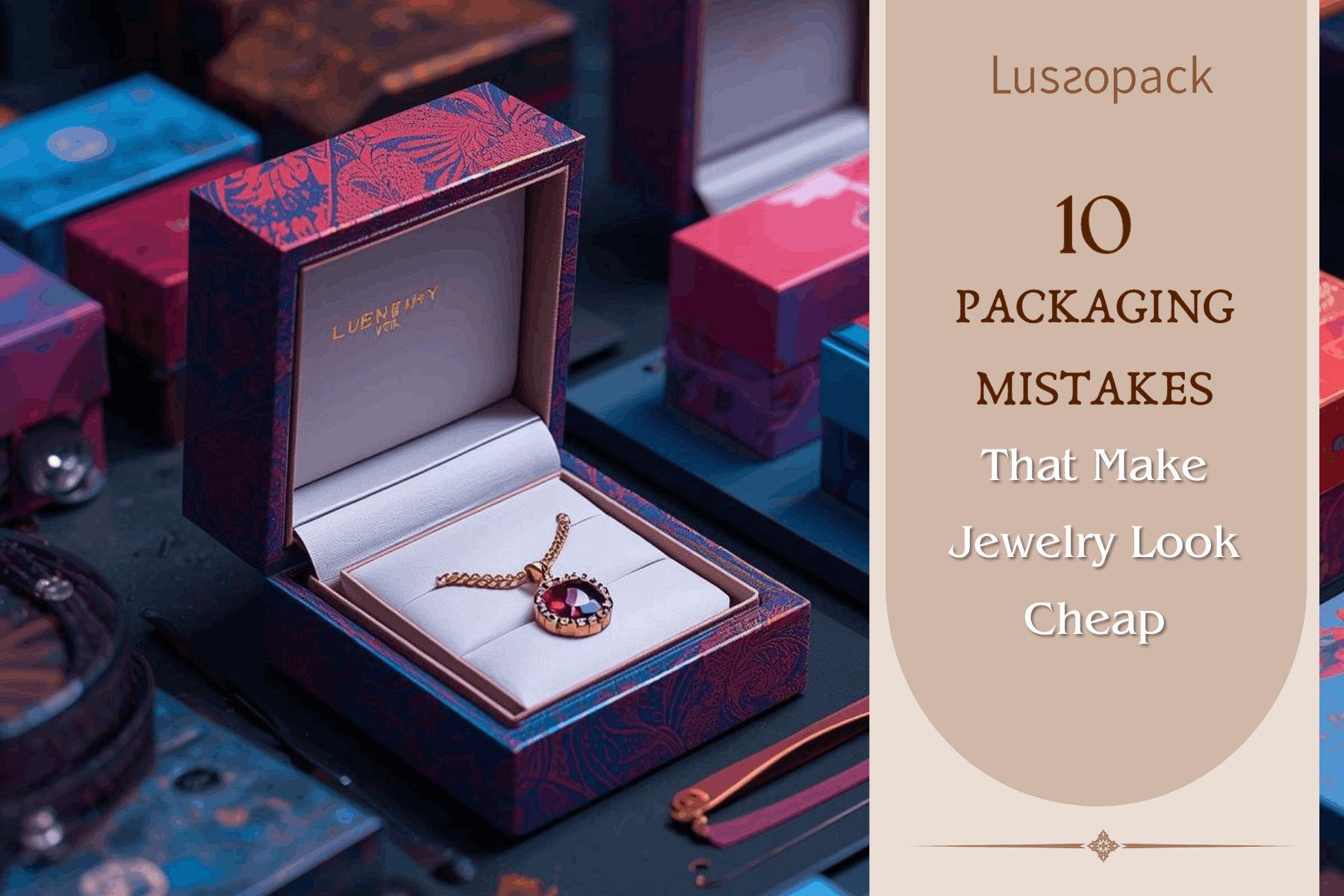
In the world of fine jewelry, perception is everything. A meticulously crafted piece can lose its allure the moment it’s presented in subpar packaging. For luxury brands, packaging is not just a protective layer; it’s an extension of the product itself, a silent ambassador of quality, craftsmanship, and identity.
Yet many brands, emerging and established alike, unknowingly fall into packaging pitfalls that diminish perceived value. Below, we explore ten of the most common packaging mistakes that can make even exquisite jewelry appear inexpensive and how to avoid them with intention and sophistication.
1. Choosing Low-Quality Materials
Material selection is the foundation of luxury packaging. Flimsy cardboard, thin plastics, or synthetic fabrics with a rough finish immediately signal cost-cutting.
Luxury consumers are tactile. They notice the weight of a box, the softness of velvet, and the density of paperboard. A lightweight or poorly finished box undermines the perceived value of what’s inside, even before it’s opened.
What to do instead:
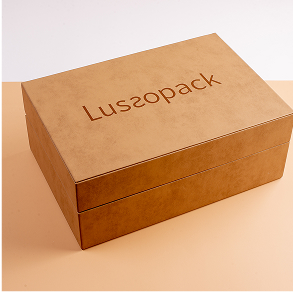
Invest in rigid boxes, high-density paperboard, and premium linings such as suede, velvet, or microfiber. Materials should feel substantial and refined to the touch.
2. Overly Generic Design
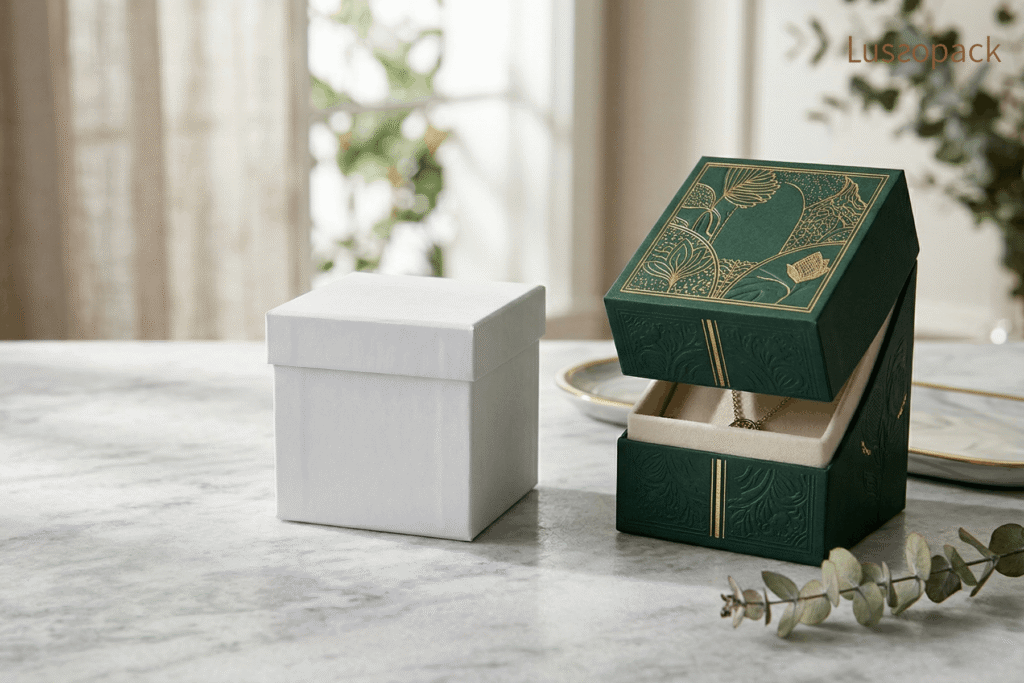
Generic packaging lacks identity. A plain white box with no distinctive elements does little to differentiate your brand or justify a premium price.
In the luxury sector, packaging is storytelling. It should communicate your brand’s aesthetic, heritage, and positioning at a glance.
What to do instead:
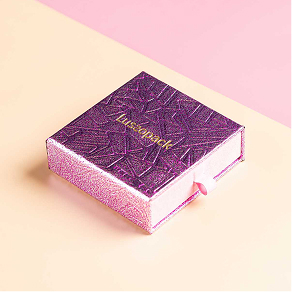
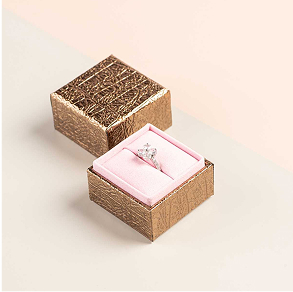
Incorporate bespoke elements: custom colors, foil stamping, embossing, or unique structural designs that reflect your brand DNA.
3. Poor Color Choices
Color plays a psychological role in perceived luxury. Harsh, overly bright, or mismatched colors can cheapen the entire presentation.
Luxury packaging often leans toward restrained palettes deep blacks, soft creams, muted pastels, or rich jewel tones paired with subtle metallic accents.
What to do instead:
Develop a cohesive color palette aligned with your brand identity. Ensure consistency across all packaging elements, from outer boxes to inserts.
4. Inconsistent Branding
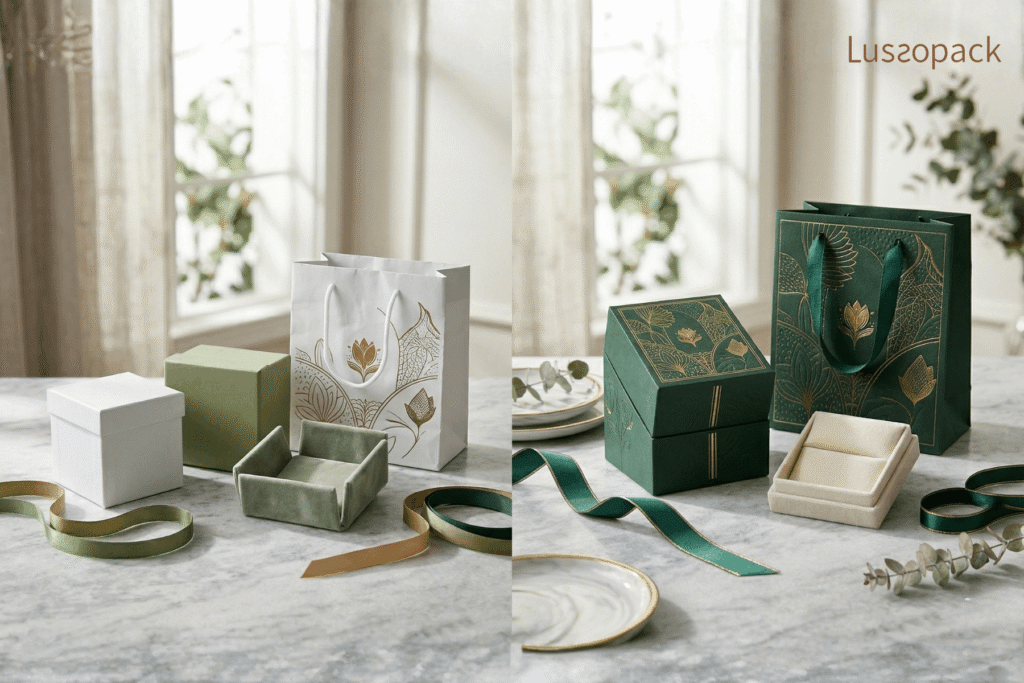
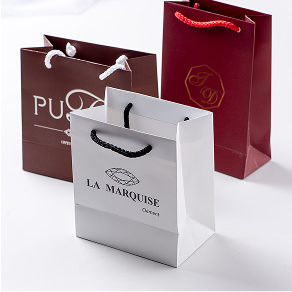
When logos vary in size, placement, or style across packaging components, it creates visual confusion and erodes brand credibility.
Consistency is a hallmark of luxury. Every detail, from typography to logo placement, should feel deliberate and unified.
What to do instead:
Establish strict brand guidelines for packaging and apply them consistently across all touchpoints.
5. Excessive or Cheap-Looking Decoration
More is not always better. Overusing glitter, loud patterns, or excessive embellishments can make packaging feel gaudy rather than luxurious.
True luxury often lies in restraint. Clean lines, thoughtful spacing, and subtle detailing create a sense of sophistication.
What to do instead:
Adopt a minimalist approach. Focus on one or two standout elements executed flawlessly.
6. Poor Structural Design
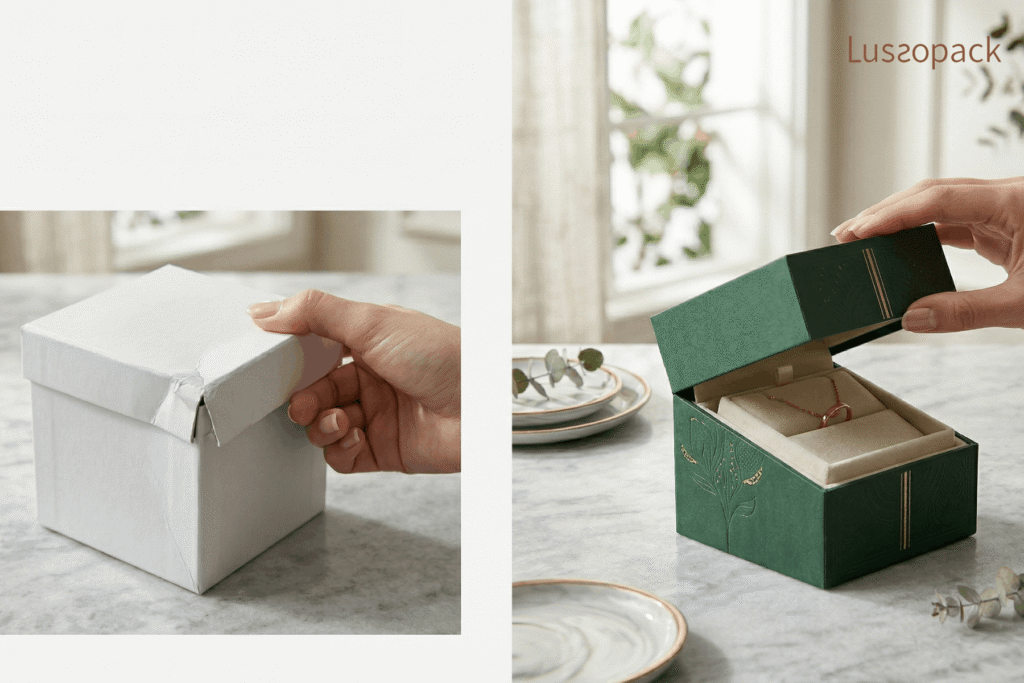
A box that is difficult to open, collapses easily, or lacks structural integrity can frustrate customers and diminish the unboxing experience.
Luxury packaging should feel intuitive and satisfying, smooth magnetic closures, precise hinges, and balanced proportions all contribute to this.
What to do instead:
Invest in engineered packaging structures that enhance usability and elevate the unboxing moment.
7. Neglecting Interior Presentation
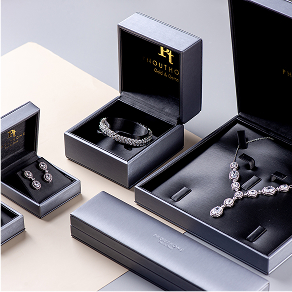
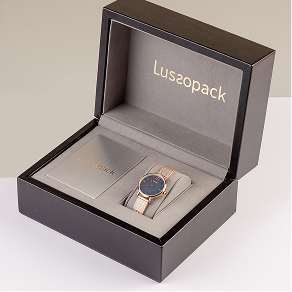
The exterior may attract attention, but the interior seals the impression. Poorly fitted inserts, exposed foam, or mismatched linings can instantly cheapen the product.
The interior should cradle the jewelry, highlighting its beauty and ensuring it remains secure.
What to do instead:
Use custom-fitted inserts with premium linings that complement the piece and enhance its presentation.
8. Ignoring Sustainability Expectations
Today’s luxury consumers are increasingly conscious of sustainability. Excessive plastic or non-recyclable materials can harm brand perception.
Sustainability and luxury are no longer mutually exclusive, they are expected to coexist.
What to do instead:
Opt for FSC-certified paper, recyclable materials, and thoughtful design that minimizes waste without compromising aesthetics.
9. Lack of Personalization

Luxury is deeply personal. Packaging that feels generic misses an opportunity to create an emotional connection.
Small touches, such as a handwritten note, custom engraving, or tailored inserts, can significantly elevate the experience.
What to do instead:
Incorporate personalization options that make customers feel valued and connected to your brand.
10. Overlooking the Unboxing Experience
In the age of social media, unboxing is part of the product experience. A lackluster reveal can diminish excitement and reduce shareability.
Luxury brands design packaging as a journey, layered, intentional, and memorable.
What to do instead:
Think beyond the box. Incorporate layers, textures, and thoughtful sequencing to create a captivating unboxing experience.
Final Thoughts
Luxury jewelry deserves packaging that reflects its value, craftsmanship, and story. Avoiding these common mistakes is not simply about aesthetics; it’s about aligning every detail with the expectations of a discerning audience.
At Lussopack, we understand that packaging is a strategic asset. From material selection to structural innovation and sustainable solutions, every element is designed to enhance brand perception and customer experience.If you’re ready to elevate your jewelry packaging and create a lasting impression, explore Lussopack’s bespoke solutions or connect with our team to bring your vision to life.