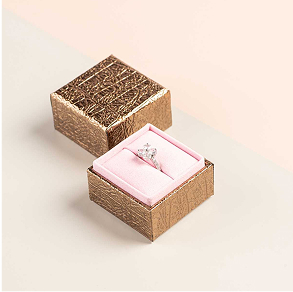
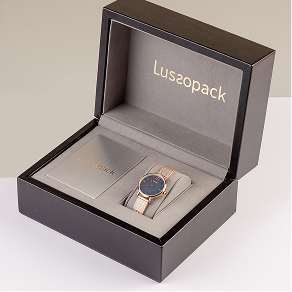
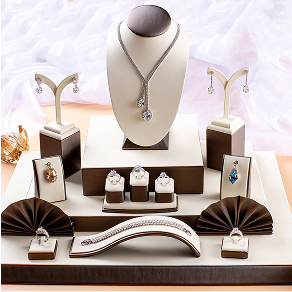
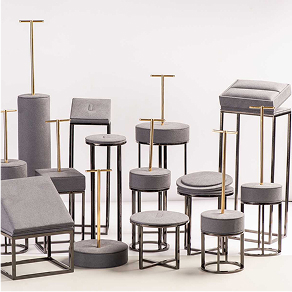
Before a customer tries the product, they experience the packaging. They feel the weight in their hands, notice the texture, and judge the details in a split second. That moment matters. For luxury brands, packaging is a signal of craftsmanship, exclusivity, and brand confidence. When it is done well, luxury packaging increases perceived value, strengthens emotional connection, and turns an ordinary delivery into an experience worth remembering, whether it arrives in a refined jewelry box, a premium jewelry case, or a well-designed jewelry display that elevates the product on the counter.
This article covers the full picture, from what defines luxury packaging to the design choices and luxury packaging materials that create a premium feel. We will walk through the most common packaging formats for luxury goods, the practical functions packaging must serve, and the sustainability expectations shaping today’s luxury packaging market. You will also find the trends influencing luxury package design, how packaging affects consumer behavior and repeat purchase, and how to evaluate luxury packaging companies when you need a partner for scalable, high-quality production. Whether you are creating packaging for luxury goods for the first time or refining a mature brand system, you will leave with clearer direction and more confident next steps.
What Is Luxury Packaging?
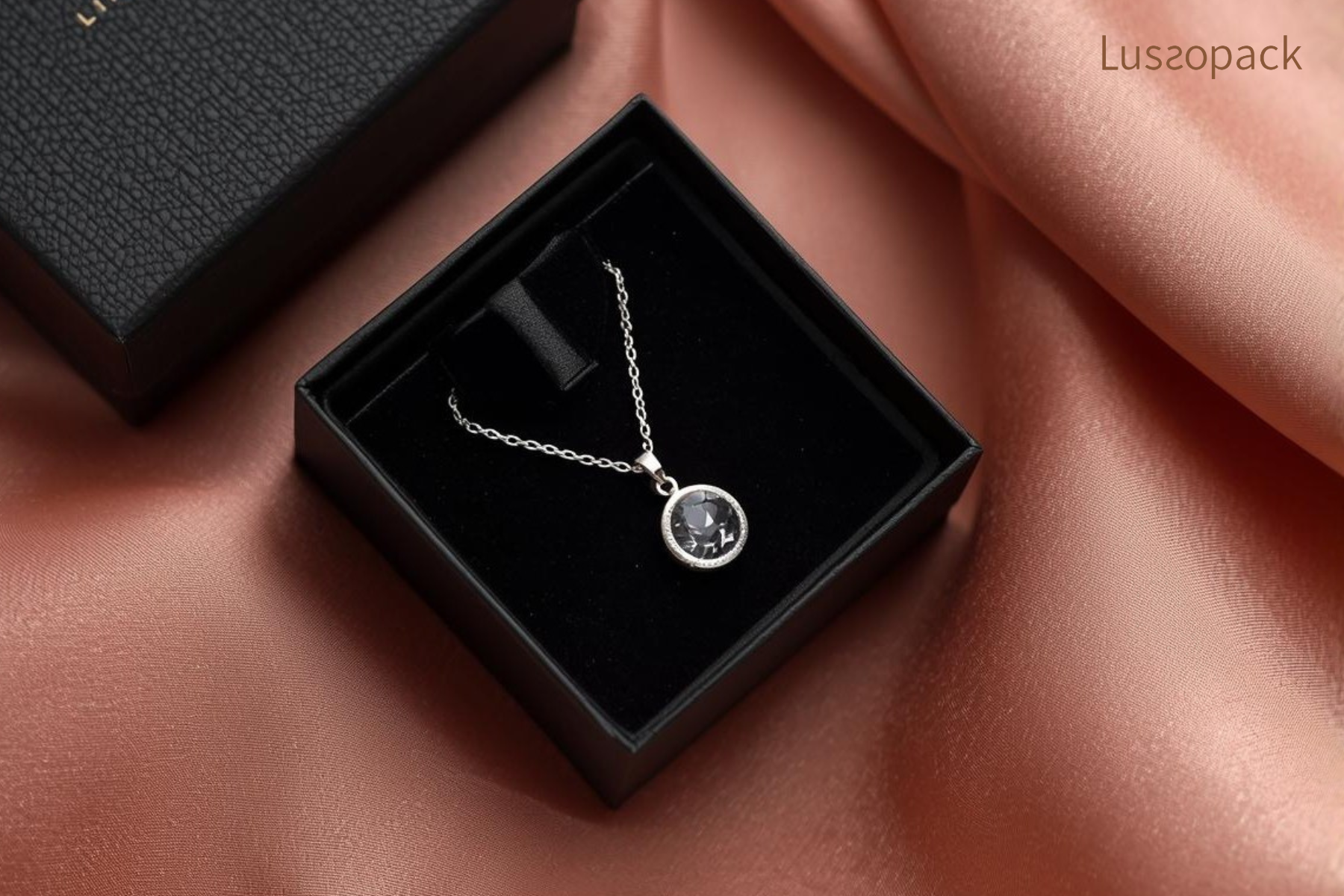
Luxury packaging is the system behind how premium products are presented, protected, and recognized at a glance. It brings together structure, finishing, and luxury packaging materials to deliver a consistent standard that feels intentional, not accidental. In practice, luxurious packaging is rarely defined by one detail alone. It is the combined effect of precision, material quality, and brand consistency across every format, from boxes and bags to bottles and gift sets.
For luxury brands, packaging decisions are closely tied to positioning. Luxury brand packaging needs to support the story the brand wants customers to believe, while still working in real-world production, handling, and retail display. That is why packaging for luxury goods is built to be repeatable at scale, visually distinctive, and aligned with the brand’s values. When those pieces come together, luxury packaging becomes a strategic advantage rather than a simple container.
Why Is Luxury Packaging Important?
Luxury packaging matters because it influences how people judge quality, value, and desirability before they even use the product. In competitive categories, packaging for luxury brands can be the difference between “nice” and “must-have.”
- Increases perceived value of the product: Premium presentation signals craftsmanship and quality, which can positively affect purchase decisions, especially when customers compare similar products at different price points.
- Creates exclusivity and desirability: Strong luxury packaging design helps a product feel rare, elevated, and worth paying more for.
- Improves the customer experience: Luxury packaging turns the unboxing process into a memorable event, deepening the emotional connection with the product and brand.
- Builds brand loyalty: When luxury product packaging consistently meets expectations, it reinforces trust and encourages repeat purchase.
What are The Key Elements of Luxury Packaging?
The most effective packaging luxury systems combine materials, structure, design, and finishing techniques to create a premium result that still works in production and shipping.
1) Premium materials
Common luxury packaging materials include thick paperboard, specialty paper wraps, velvet, leather or PU, and fabric finishes. Material choice affects not only appearance, but also rigidity, durability, and perceived quality.
2) Finishing and printing details
Luxury packaging often uses finishing to add depth and tactile appeal, such as:
- embossing or debossing
- foil stamping
- spot UV
- textured laminations
- custom patterns or interior prints
3) Strong visual identity
Great luxury package design is not just pretty; it is brand-consistent. Typography, spacing, and restraint often matter more than decoration. Many luxury brands prefer a clean design that highlights the product and signals confidence.
4) Structure and protection
Luxury packaging should feel sturdy and precise. Fit, alignment, and how the packaging opens are key parts of the experience.
Common Luxury Packaging Types
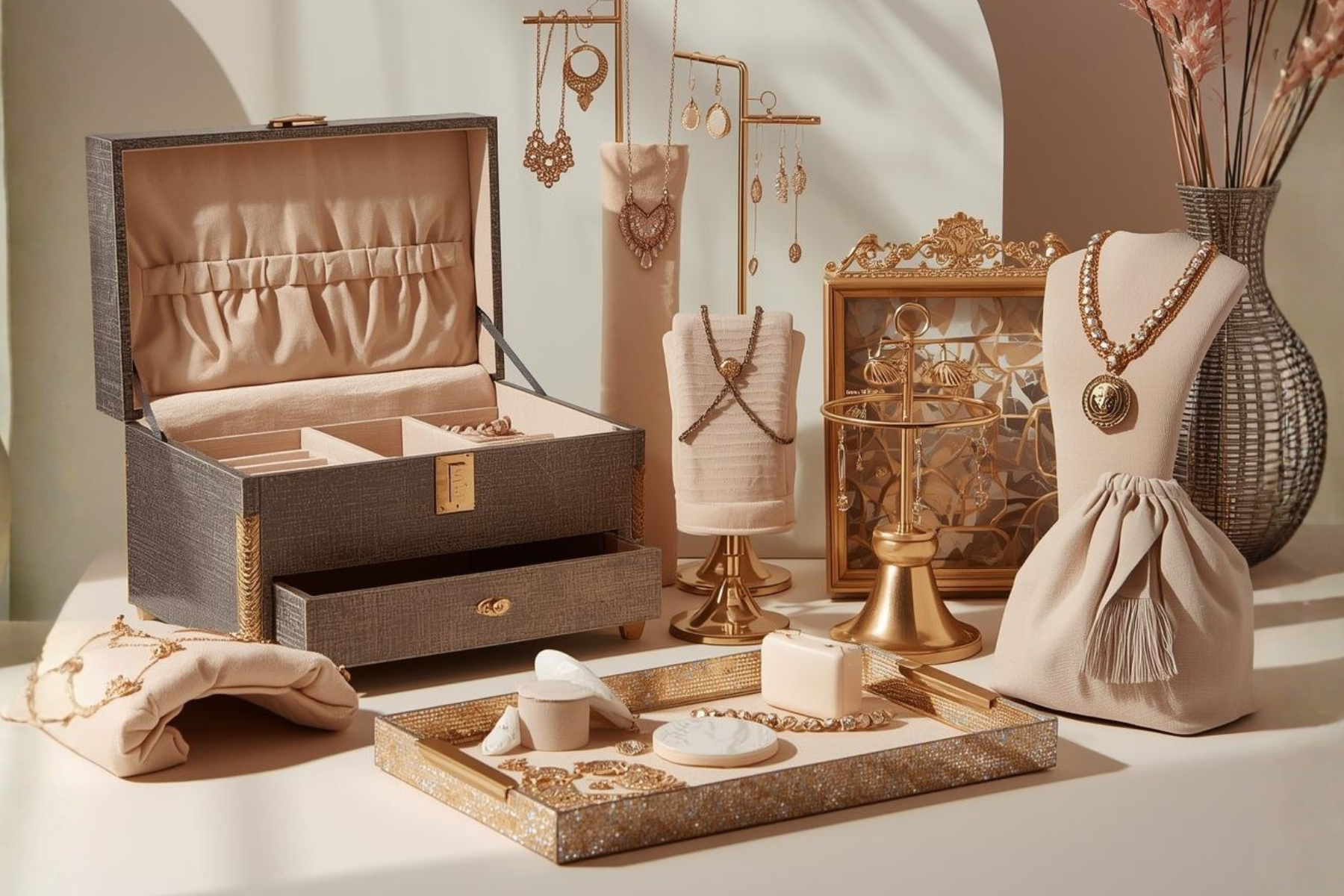
Different packaging formats support different product categories and unboxing experiences. These are widely used in the packaging of luxury brands.
Rigid boxes
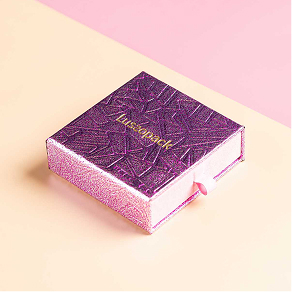
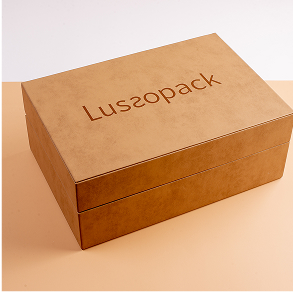
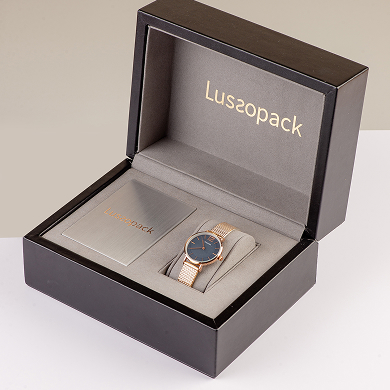
Choose rigid boxes for packaging when you want a premium feel with strong protection. Built from thick board, they are ideal for jewelry, watches, and other high-value items where structure, fit, and presentation matter.
Folding cartons
Lightweight and efficient for shipping while still supporting high-end presentation. Often used for cosmetics and fragrances.
Luxe bags and pouches
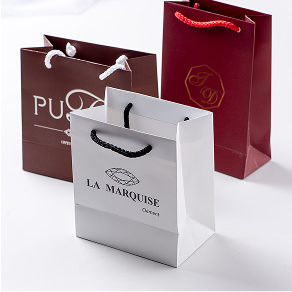
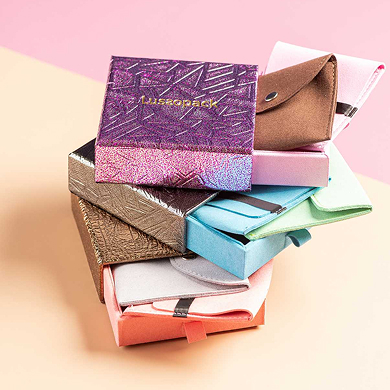
A refined outer layer for gifting and retail presentation often used for accessories, apparel, and jewelry pouches, especially when brands want a softer, more personal unboxing moment and a keepsake-style experience customers can reuse.
Premium bottles and jars
Often, glass or crystal with refined detailing, such as etched patterns, metallic accents, and custom closures for skincare and fragrance products.
Functions of Luxury Packaging
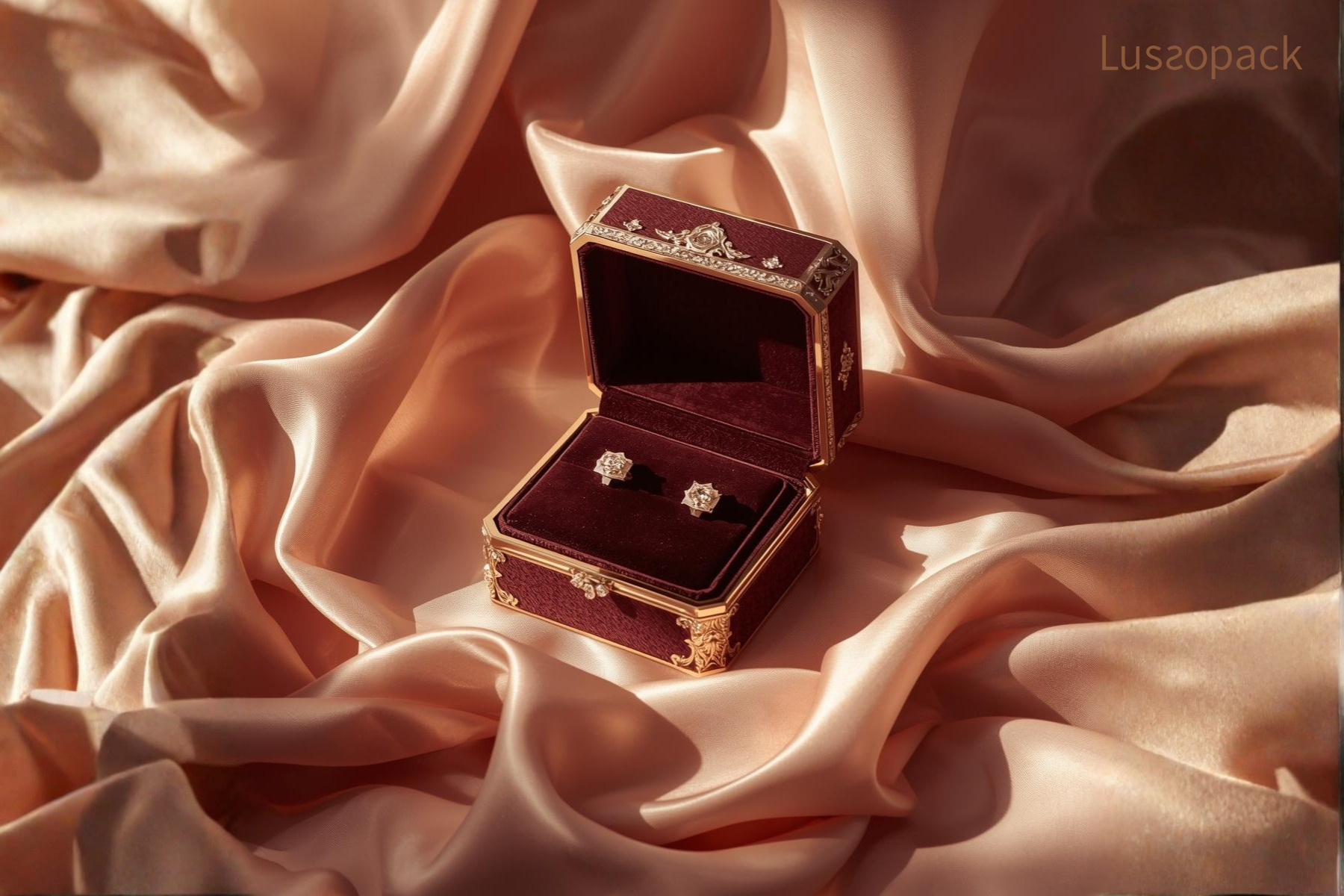
Luxury packaging has to look premium, but it also has practical jobs to do. The best luxury packaging solutions balance aesthetics with performance.
1. Product protection
Packaging plays an important role in safeguarding items during shipping and handling. Delicate goods may require extra reinforcement, like rigid containers or foam inserts, to minimize movement and prevent damage. Egg crate foams made of polyurethane are lightweight yet effective at stabilizing uniquely shaped products.
2. Multi-Component Containment
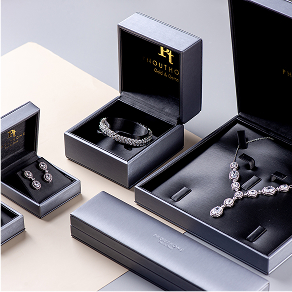
Products comprised of multiple pieces, such as photography gear, need packaging that securely holds each component while allowing accessibility. Polyurethane and polyethylene foam inserts help protect contents while enabling attractive presentation, like for camera cases or jewelry boxes.
3. Product Promotion
Beyond protecting items, creative luxury packaging emphasizes product quality through branding elements like colors, logos, and windowed displays, allowing visibility of the actual product. This packaging solution attracts interest, drives sales, and builds consumer confidence. Using fabric-bonded foam inserts can reinforce brand identity and convey a premium look.
4. Space Optimization
Smart packaging design focused on compact, stackable shapes that avoid excess bulk and weight enables greater inventory storage capacities while reducing the risk of transit damage. Cost-effective storage and shipping are additional benefits.
5. Environmental Considerations
As sustainability grows in importance, luxury packaging innovates with recyclable, minimal luxury packaging materials that avoid plastic components and wasteful excess while maintaining product security and visual appeal.
How to Design the Best Luxury Packaging
There is no single best style. The best luxury packaging is the packaging that fits the product, customer expectations, and brand positioning.
Step 1: Define the Material Narrative
Luxury begins with the hand feel. The tactile response of a package, known as haptic feedback, subconsciously informs the consumer of the product’s value before they even see it.
- Substance: Swap standard cardstock for high-caliber rigid boards or sustainable alternatives like bamboo fiber and recycled cotton.
- Texture: Incorporate specialized finishes such as soft-touch aqueous coatings, linen textures, or uncoated pulp-dyed papers that offer a raw, organic elegance.
- Weight: Calibrate the density of the box. A deliberate weightiness signals durability and heritage.
Step 2: Engineer the Slow Reveal
The unboxing process should be choreographed like a performance. The goal is to build anticipation through a multi-layered opening sequence.
- Precision Fit: Ensure a vacuum seal effect for the lid and base boxes. The lid should slide off slowly, ideally for two to four seconds, to create a moment of suspense.
- The Click: Utilize hidden magnetic closures. The audible snap provides a sensory confirmation of quality and security.
- Internal Architecture: Use custom molded inserts, vellum overlays, or silk ribbons to cradle the product. This ensures it remains the centerpiece of the arrangement.
Step 3: Embrace Minimalist Visual Hierarchy
A hallmark of luxury is restraint. If the design is too loud, the brand appears to be trying too hard.
- Negative Space: Allow your brand elements to breathe. Large areas of white space focus the eye on what matters most, specifically the logo and the product.
- Sophisticated Finishes: Use embellishments to add depth rather than clutter.
- Blind Embossing: A raised pattern with no ink for a subtle, architectural look.
- Hot Foil Stamping: Using metallic foils like gold, matte silver, or copper to catch light and draw attention to the brand mark.
- Typography: Focus on lettering that aligns with the brand identity. You may choose fonts with elegant strokes for a classic heritage feel or use clean characters with generous spacing to achieve a modern, architectural aesthetic. The key is to ensure the typeface reflects the exclusivity of the product without overcomplicating the visual field.
Step 4: Integrate Circular Luxury
Modern luxury is defined by responsibility. In the current market, the terms luxury and disposable are increasingly at odds. Developing a sustainability strategy for luxury packaging is now essential to maintaining brand prestige.
- Mono-Material Design: Design packaging using a single material type to make recycling effortless for the consumer.
- The Second Life Philosophy: Create packaging so beautiful or functional that the customer refuses to throw it away. If a watch box can double as a travel case, the brand stays in the consumer’s home indefinitely.
- Eco-Innovation: Replace plastic foams with mycelium, seaweed-based coatings, or FSC-certified papers.
Step 5: Master the Acoustic Details
Quality is heard as much as it is seen. The sounds associated with luxury packaging, such as the rustle of heavy tissue paper versus the crinkle of thin plastic, can make or break the perception of value.
- Solid Foundations: Ensure the box sounds solid when tapped. This avoids the hollow resonance associated with cheap corrugated cardboard.
Luxury Packaging Market and How It Has Changed
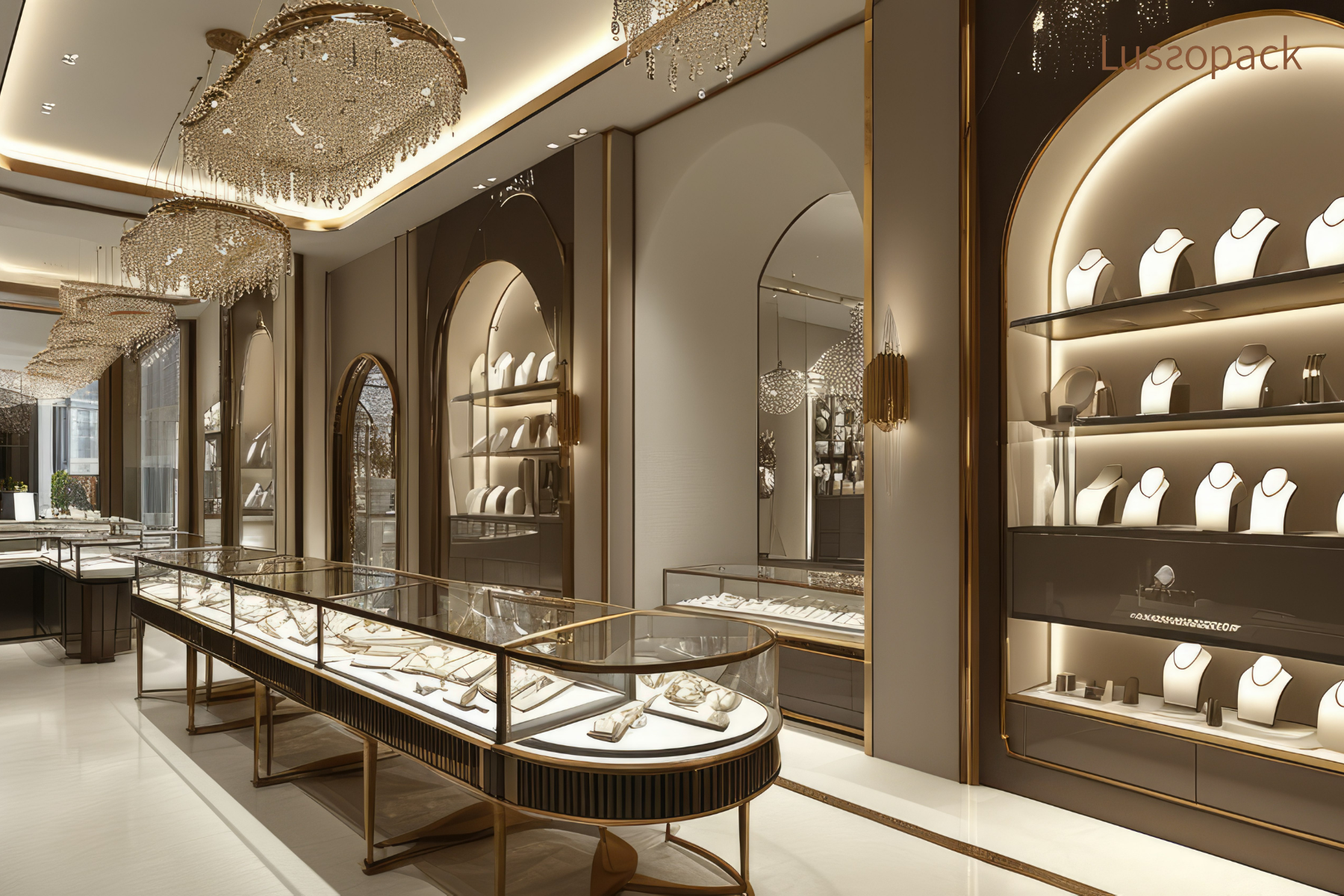
The luxury packaging market has evolved. Historically, luxury packaging was often defined by elaborate decoration and visual complexity. Today, the definition is broader. Advances in production, stronger sustainability expectations, and changing consumer tastes have pushed brands toward packaging that combines premium appearance with practicality.
The market includes global luxury packaging manufacturers and smaller boutique companies. Competition is shaped by brand positioning, material innovation, production capability, quality control, and the ability to deliver consistent results at scale.
How Luxury Packaging Has Changed
Traditionally, luxury packaging featured elaborate and detailed designs to highlight the high quality of the product. However, its definition has broadened due to advances in technology and a stronger focus on sustainability. Nowadays, luxury packaging combines good looks with practicality. The aim is to create an unforgettable unboxing experience that not only displays luxury but also aligns with the values of the brand and meets the expectations of savvy consumers.
The luxury packaging market features a diverse mix of large, established packaging companies and niche boutique firms. Market dynamics are influenced by consumer preferences, brand positioning, technological innovations, and a growing emphasis on environmental consciousness, prompting the adoption of eco-friendly materials and sustainable processes industry-wide.
Trends Shaping the Luxury Packaging Industry
The luxury packaging sector is evolving rapidly, influenced by emerging trends that cater to modern consumer demands and technological advancements. Key trends include:
- Sustainable Sophistication
With sustainability now a must for consumers, luxury brands are embracing eco-friendly packaging materials like recycled paper, biodegradable plastics, and innovative alternatives such as mushroom-based solutions. The focus is on minimizing environmental impact while still delivering a premium unboxing experience.
- Tech-Forward Engagement
Augmented reality (AR), near-field communication (NFC), and QR code technology are being integrated into luxury packaging to provide immersive, interactive digital experiences. These bridge the physical and virtual worlds, allowing brands to share compelling stories and connect with audiences on a deeper level.
- Minimalist Luxury
Cleanliness is an emerging trend in minimalist luxury packaging design. This challenges the notion that luxury must equate to excess – simplicity itself can convey sophistication and elegance with equal power.
- Exclusive Personalization
Customized packaging with monograms, color palettes, and tailored messaging enables luxury brands to forge stronger connections and deliver an extra layer of exclusivity to valued customers.
How Luxury Packaging Shapes Brand Perception
Luxury packaging is an important marketing tool that significantly influences how consumers perceive a brand.
- Defining luxury packaging
Luxury packaging elevates ordinary product containers to the next level, often utilizing high-quality, unique shapes and detailing to create a memorable, luxurious feel. It aims to foster a sense of excitement and anticipation that reinforces the brand’s high-end, exclusive perception.
- Perception of Value
How a product is presented shapes our perception of its value. When packaged luxuriously, our brains perceive it as higher quality and more valuable compared to plain, basic packaging. We associate luxury packaging with exclusivity and prestige, enhancing the product’s perceived value.
- Emotional Connection
Luxury product packaging stimulates positive emotions like excitement, pleasure, and indulgence that make us feel good about our purchase. This emotional connection can breed brand loyalty as customers want to recreate those positive feelings.
- Purchase Motivation
Luxury packaging can motivate purchases by creating a sense of desire or urgency, pushing us to buy in the moment, even if not strictly needed. Standing out from competitors fosters feelings of exclusivity that motivate purchase, even at premium prices.
How Luxury Packaging Impacts Consumer Behavior
Brand perception is what people believe about your product. Consumer behavior is what they actually do next. Luxury packaging influences that behavior in practical, trackable ways across the customer journey, from browsing and comparison to repeat purchase and advocacy.
It shortens the decision cycle
When customers are choosing between similar premium products, a strong luxury packaging design can reduce hesitation. Clear premium cues help buyers decide faster, because the packaging ensures that the product belongs in a higher tier without needing extra explanation.
It increases gifting and “add-to-cart” behavior
Luxury packaging often makes a product feel more gift-ready. That can lift conversion during seasonal campaigns and special occasions, because the customer does not need to spend extra time finding separate wrapping or presentation.
It encourages repeat purchase through consistency
Repeat buying is heavily influenced by whether the experience matches expectations every time. When luxury product packaging is consistent across orders, customers feel safer re-ordering, especially with skincare, fragrance, and accessories, where the packaging becomes part of the product ritual.
It drives social sharing and word-of-mouth
Well-designed packaging is more likely to be photographed, filmed, and shared. It creates organic visibility, strengthens brand recall, and can introduce the product to new audiences through unboxing content and recommendations.
It reduces returns and increases satisfaction
Packaging impacts how products arrive and how they are stored. Better structural design, inserts, and protection reduce damage and prevent the “arrived less premium than expected” feeling. That supports higher satisfaction and fewer negative post-purchase actions.
It affects how customers behave across channels
In retail, packaging supports shelf presence and confident selection. In e-commerce, it reassures customers who cannot touch the product before buying. In both cases, luxury packaging solutions help customers feel certain they made the right choice, which improves post-purchase confidence and brand trust.
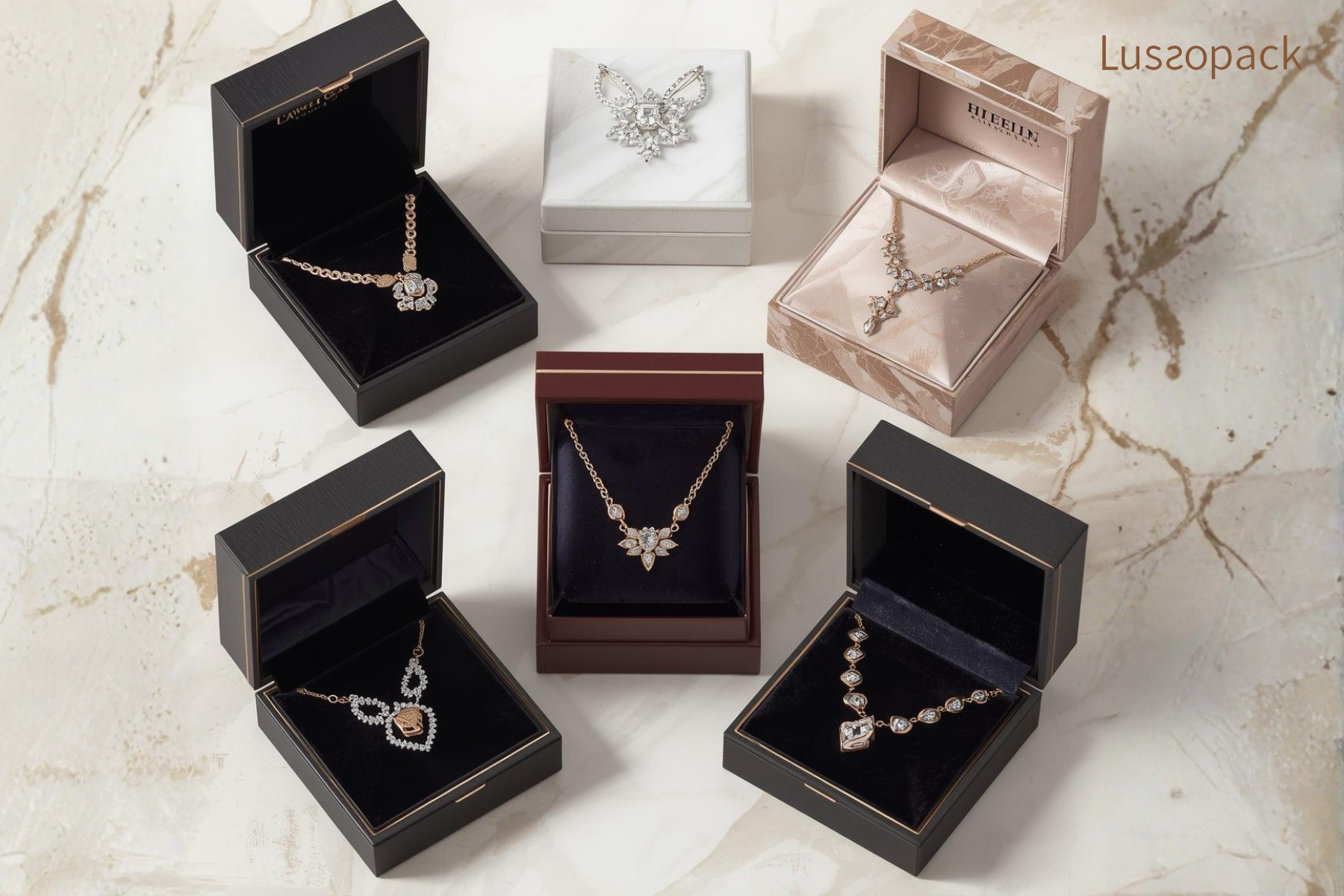
Luxury packaging solutions have become an essential tool for luxury brands to make their products stand out. For luxury companies and packaging experts, creating the best luxury packaging is an ongoing effort that requires an understanding of what customers want, a knowledge of sound design principles, and staying current with market trends. Simple yet thoughtful packaging can make any product feel truly high-end and exclusive. As customers increasingly expect more from luxury items, brands need to keep up with the latest trends and find innovative ways to make their packaging sustainable yet still impressive. If you need support from concept to production, Lussopack provides custom luxury packaging solutions designed for premium brands that want consistent quality and brand-aligned presentation. We work with clients to translate packaging ideas into structured, production-ready packaging that supports both product protection and brand perception.
Lussopack stands out as a top provider of luxury packaging. We specialize in making custom, high-end packaging that looks elegant and sophisticated. Lussopack serves all kinds of clients, from small boutique businesses to big brands, helping them make their product packaging look special and premium. Our luxury packaging solutions use high-quality materials and innovative designs that are both functional and visually appealing. Whether for retail stores, promotions, or special occasions, you can contact us at any time.