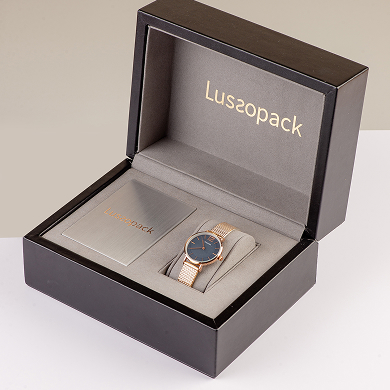
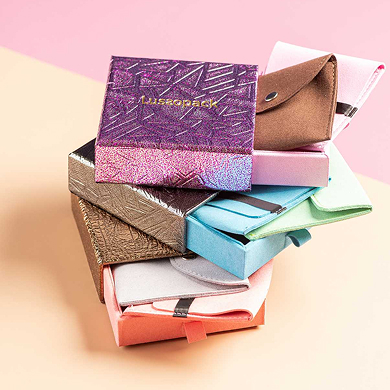
In the world of luxury jewelry packaging, every detail matters, from the tactile feel of a velvet-lined box to the precision of embossed logos. Yet behind these refined elements lies a critical operational concept that often shapes design, cost, and production strategy: MOQ, or Minimum Order Quantity.
For emerging brands and established maisons alike, understanding MOQ is essential to making informed packaging decisions. It influences everything from customization possibilities to pricing efficiency and sustainability goals. In this guide, we’ll unpack what MOQ really means, why it exists, and how to navigate it intelligently when sourcing premium jewelry packaging.
What Does MOQ Mean in Jewelry Packaging?
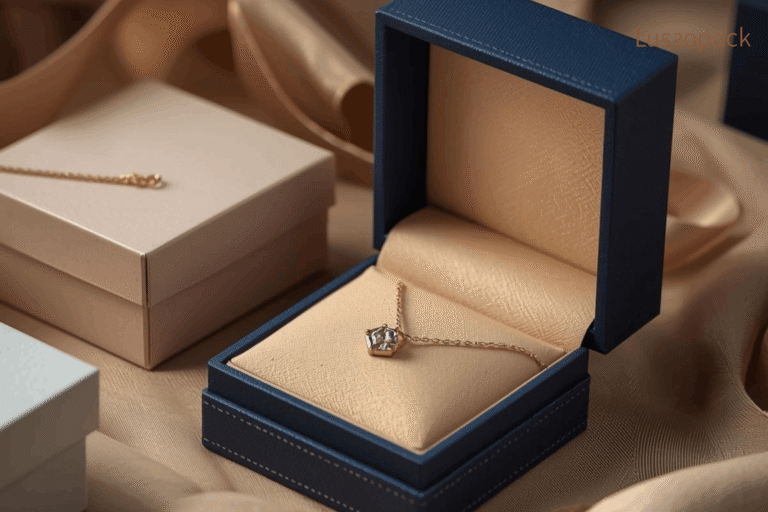
MOQ stands for Minimum Order Quantity, the smallest number of units a manufacturer is willing to produce in a single order.
In jewelry packaging, MOQ typically applies to:
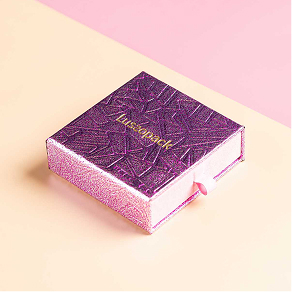
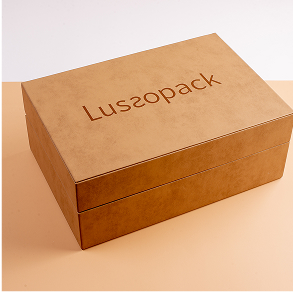
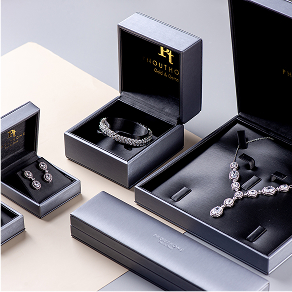
- Custom jewelry boxes
- Branded jewelry pouches or travel cases
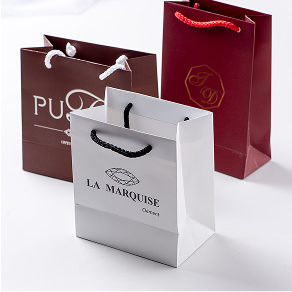
- Premium Paper bags and rigid gift packaging
- Inserts, cushions, and protective components
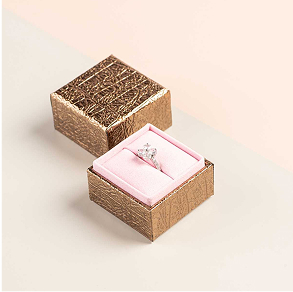
For example, a packaging supplier may set an MOQ of 500 units for a custom ring box design. This means production will only begin if the order meets or exceeds that quantity.
MOQ is not arbitrary; it reflects the realities of manufacturing processes, material sourcing, and labor efficiency. Particularly in luxury packaging, where craftsmanship and customization are paramount, MOQ ensures that production remains economically viable while maintaining high standards.
Why Do Packaging Manufacturers Set MOQs?
Understanding the reasoning behind MOQs helps brands see them not as a limitation, but as a strategic framework.
1. Material Procurement Efficiency
Luxury packaging requires premium materials, velvet linings, rigid boards, specialty papers, and sometimes leather or suede. These materials are often sourced in bulk quantities.
Manufacturers must meet supplier minimums themselves, which makes producing very small batches impractical or cost-prohibitive.
2. Setup and Tooling Costs
Customization in jewelry packaging, such as embossing, foil stamping, or custom molds, requires setup processes that incur fixed costs.
Whether producing 100 units or 10,000, the setup effort is largely the same. MOQs ensure that these costs are distributed across enough units to keep pricing reasonable.
3. Production Line Efficiency
Manufacturing workflows are optimized for batch production. Small runs disrupt efficiency, increase labor costs, and slow down operations.
MOQ helps maintain a streamlined production process while preserving craftsmanship and quality.
4. Cost Optimization for Clients
While MOQ may seem like a constraint, it often benefits brands by lowering the per-unit cost.
Producing 1,000 custom jewelry boxes is significantly more cost-effective per unit than producing 100, due to economies of scale.
Typical MOQ Ranges in Jewelry Packaging
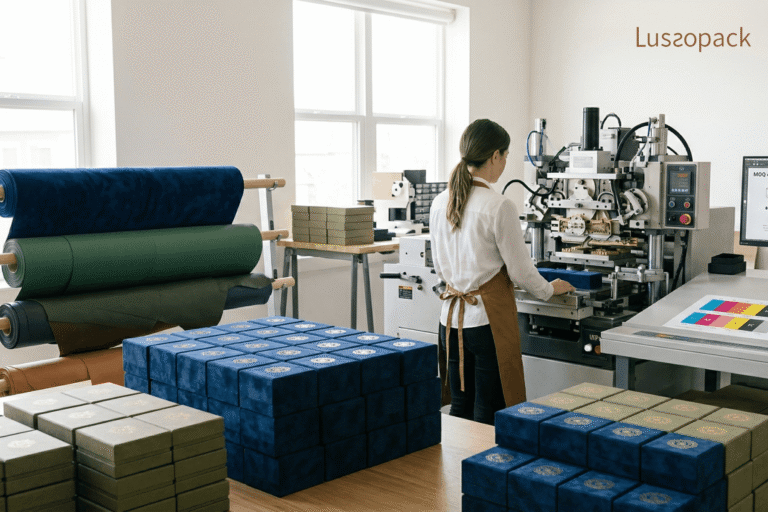
MOQ in jewelry packaging varies based on customization, materials, and production complexity. Standard jewelry boxes usually have lower MOQs, often starting from 100 to 300 units. Fully customized rigid boxes generally require higher quantities, typically around 300 to 1,000 units, due to added setup and production work.
Packaging made with premium materials such as leather or suede often comes with higher MOQs, while printed paper bags usually start from around 500 units. Fabric pouches can be more flexible, with minimums often beginning at around 200 units.
These figures are only general guidelines. In practice, MOQ depends on the packaging design, finishing details, and the manufacturer’s production capabilities.
How MOQ Impacts Design and Customization
MOQ is closely tied to the level of customization a brand can achieve.
Low MOQ = Limited Customization
With smaller orders, brands may need to choose from:
- Pre-existing box structures
- Standard colors or materials
- Minimal branding (e.g., single-color printing)
This approach is often ideal for startups testing the market.
Larger orders unlock advanced customization options:
- Unique box structures and opening mechanisms
- Multi-layered materials and textures
- Detailed branding (foil stamping, embossing, debossing)
- Custom inserts tailored to specific jewelry pieces
For luxury brands, this level of detail is essential in delivering a memorable unboxing experience.
Strategies for Managing MOQ as a Jewelry Brand
1. Start with Core Packaging
Focus on your best-selling products and invest in packaging for those first. This ensures your MOQ aligns with actual demand.
2. Opt for Modular Designs
Choose packaging structures that can accommodate multiple product types. For example, a single box design with interchangeable inserts can reduce the need for multiple SKUs.
3. Forecast Demand Accurately
Analyze sales data and growth projections to determine realistic order quantities. Overestimating demand can lead to excess inventory, while underestimating may cause supply shortages.
4. Partner with Flexible Manufacturers
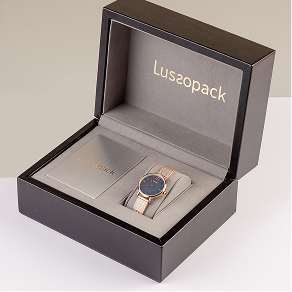
Not all suppliers are rigid. Premium manufacturers like Lussopack often offer tailored MOQ solutions, especially for long-term partnerships or scalable production plans.
5. Consider Phased Production
Instead of ordering all units at once, some manufacturers allow phased production, producing in batches while maintaining consistent quality and pricing.
MOQ vs. Pricing: Understanding the Trade-Off
MOQ and pricing are deeply interconnected.
- Higher MOQ → Lower cost per unit
- Lower MOQ → Higher cost per unit
For luxury brands, the decision is not purely financial; it’s strategic.
A higher upfront investment in packaging can elevate brand perception, enhance customer experience, and ultimately justify premium pricing.
Common Misconceptions About MOQ
“MOQ is Always Fixed”
In reality, MOQ can sometimes be negotiated depending on:
- Material availability
- Design simplicity
- Long-term partnership potential
“Lower MOQ is Always Better”
While lower MOQ reduces initial investment, it often limits customization and increases per-unit costs, potentially affecting brand positioning.
“MOQ Only Affects Large Brands”
Even small and emerging brands must consider MOQ carefully. In fact, it plays a more critical role in early-stage decision-making.
The Future of MOQ in Luxury Packaging
As the luxury packaging industry evolves, MOQ is becoming more flexible.
Emerging trends include:
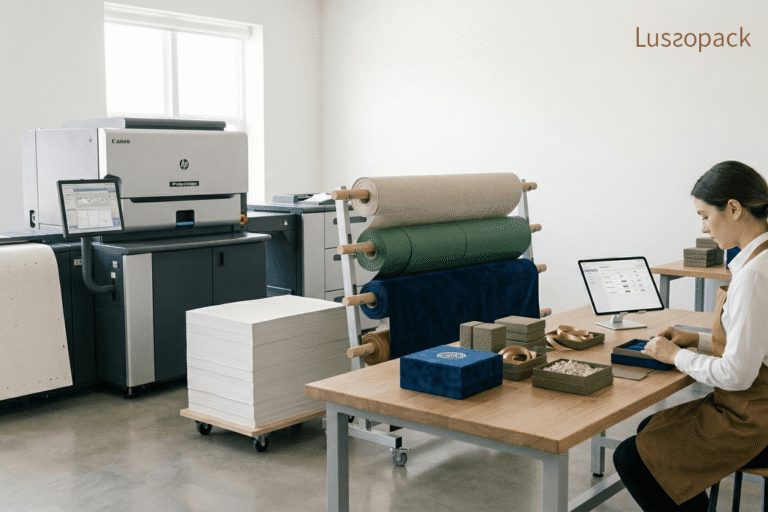
- Digital printing technologies enabling lower MOQs
- On-demand production models
- Sustainable small-batch manufacturing
However, for truly bespoke, high-end jewelry packaging, MOQ will remain an integral part of maintaining quality and craftsmanship.
Conclusion
MOQ is not just a number set by a manufacturer. In luxury jewelry packaging, it plays an important role in balancing quality, customization, production efficiency, and overall cost.
When brands understand how MOQ works, it becomes easier to make smarter packaging decisions. It can help you manage your budget more effectively, open the door to more refined custom details, and support a packaging strategy that fits both your brand image and long-term goals.
At Lussopack, MOQ is approached with both practicality and flexibility in mind. With deep experience in custom jewelry packaging, our team helps brands find solutions that match their design vision, production needs, and order scale. Whether you are developing packaging for a new launch or improving an existing collection, we work closely with you to make MOQ feel less like a limitation and more like part of a well-planned packaging strategy. Speak with Lussopack about your next jewelry packaging project and let our team help you find the right MOQ approach for your brand.