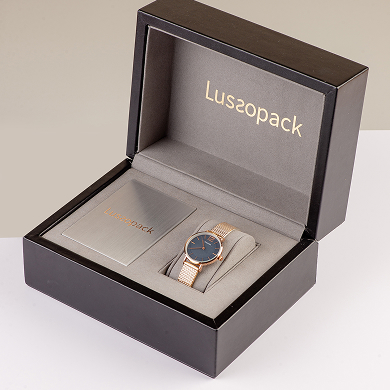
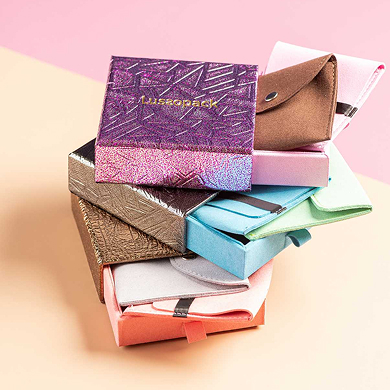
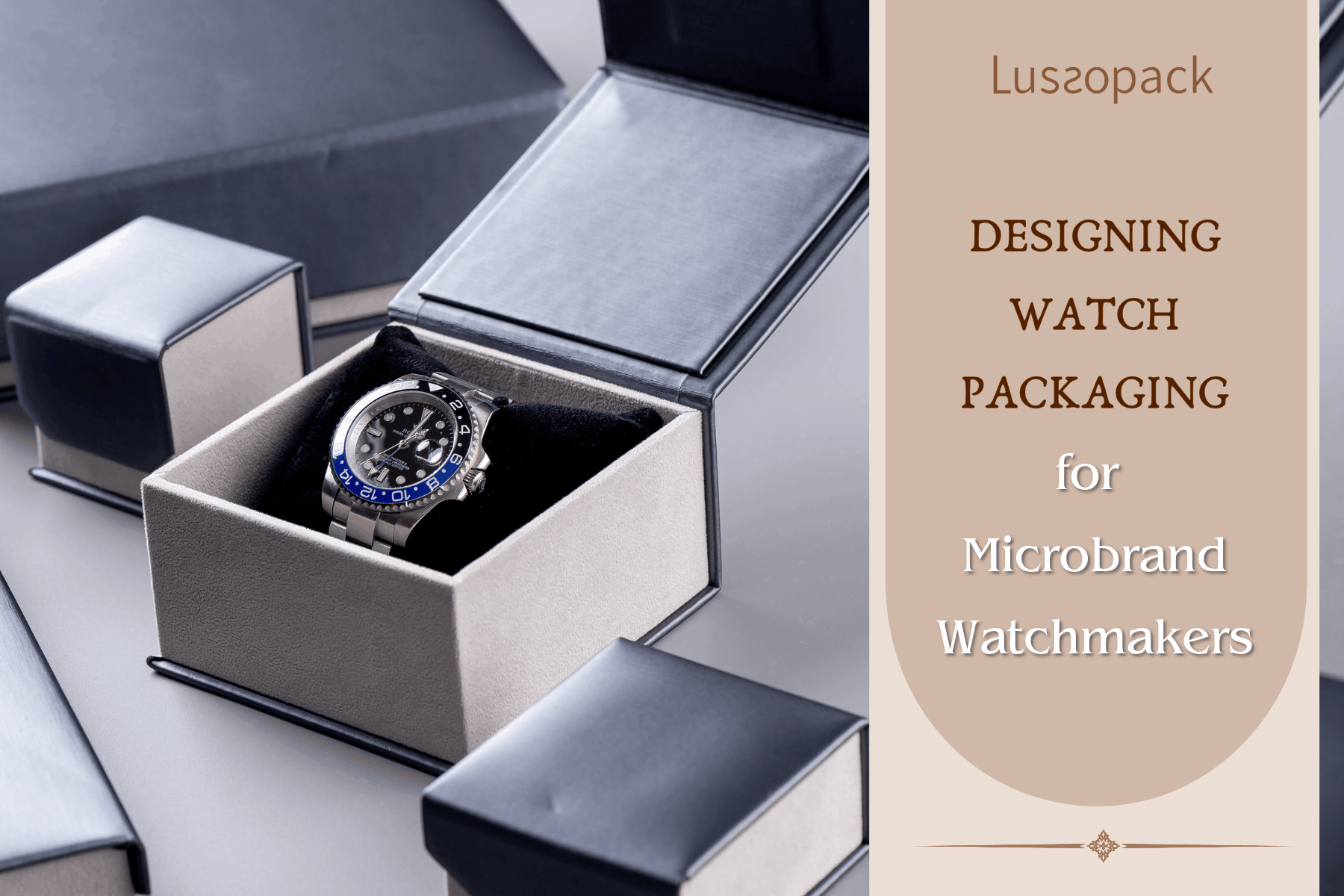
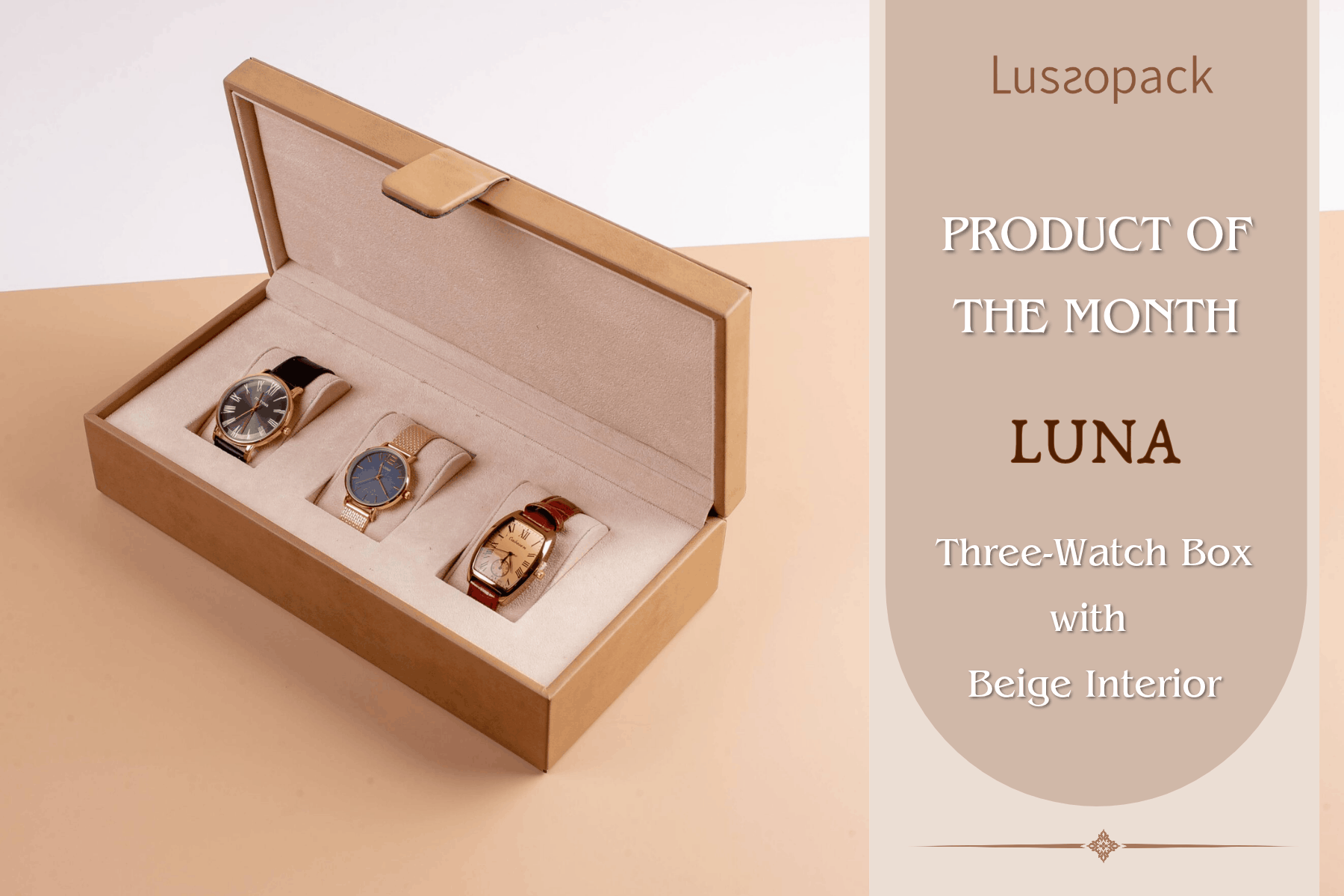
For a microbrand selling directly to collectors, the box may be the customer’s first physical encounter with the brand. It should make the watch feel considered, give owners useful information, and remain practical when the next release changes.
Microbrand watch packaging works best as a repeatable system: a recognizable exterior, an accurately fitted interior, and collection details you can update without starting over.
1. Design for Your Drop, Not an Annual Sales Forecast
Build your packaging brief around:
- Confirmed orders: Separate paid preorders from newsletter subscribers and expressions of interest.
- Watch variations: List dial colors, bracelet options, and included accessories.
- Delivery sequence: Decide whether everything ships together or in batches.
- Replacement needs: Discuss spare boxes and inserts rather than ordering only the exact sales quantity.
Ask manufacturers to quote your realistic first run and a possible reorder separately. Understanding MOQ helps you set realistic packaging promises for backers.
Before taking preorders, decide what happens if demand misses or exceeds your plan. Can the same box serve the next release? Would an additional batch require fresh material purchases? Agree these points while the specification is still flexible. They affect both cash committed today and the delivery promises you can make tomorrow.
2. Keep the Brand on the Box and the Edition on the Card
Imagine a 300-watch launch split across three dial colors. Three permanently printed box designs create three inventories to manage. A shared exterior with separate reference cards can keep those variations easier to allocate. This is an illustrative planning example, not a supplier MOQ.
- Keep permanent: Your logo, signature exterior color, and core material.
- Make changeable: Model name, dial reference, edition number, and founder’s message.
- Validate separately: Inserts for different case sizes and strap configurations.
A numbered card can carry the edition story without making unused boxes obsolete after the release. Confirm minimums for cards, sleeves, colors, and inserts individually; a shared structure does not automatically combine production minimums.
3. Give Collectors a Reason to Remember Your Packaging
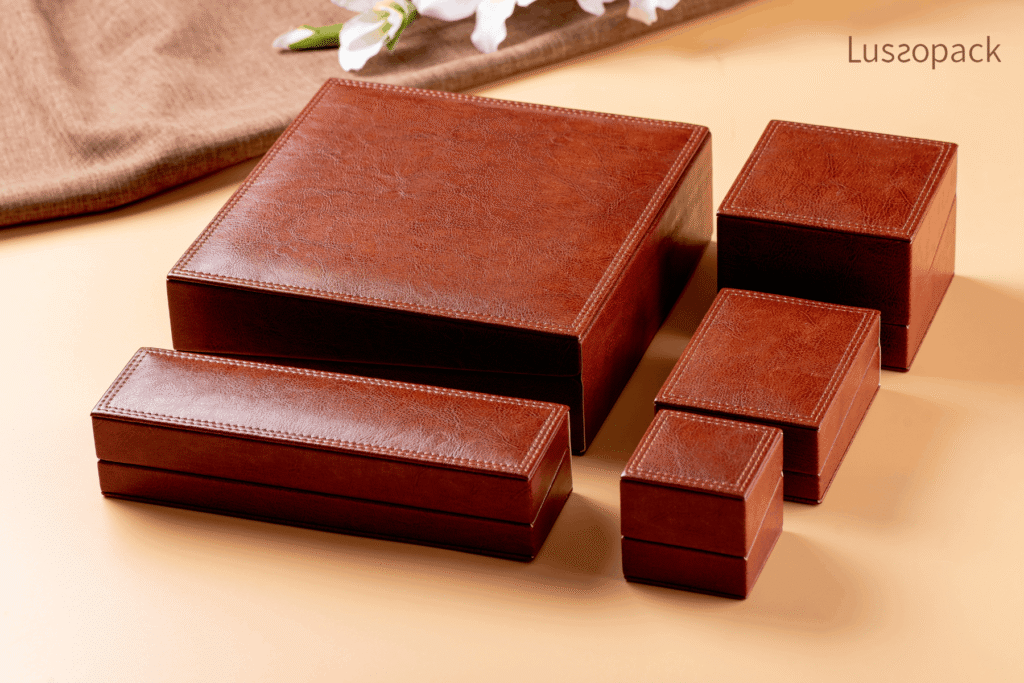
For example, a field-watch collection could use precise typography and textured paper, with a small illustrated card explaining the dial’s origins. A colorful chronograph could use a restrained exterior that lets the watch provide the visual surprise.
Benc described that second approach in the same WATCHPRO interview: Studio Underd0g keeps its packaging traditional and refined despite its playful dials. Distinctive packaging can come from editing the design carefully.
Avoid borrowed heritage language. Give collectors something specific to your watch.
4. Solve the Bracelet-and-Strap Problem Before Sampling
A microbrand may offer the same case on a bracelet, leather strap, or rubber strap. Those options can require different cushion fit and accessory layouts even when the exterior box stays the same.
Send your packaging partner:
- Case diameter, thickness, lug-to-lug length, and crown projection.
- An actual watch in each configuration you intend to ship.
- The bracelet sizing condition customers will receive.
- Spare straps, removed links, tools, and their storage requirements.
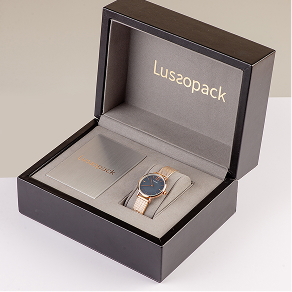
Check that the bracelet closes comfortably around the cushion, leather is not sharply folded, and the crown clears nearby surfaces. Give loose links and spring-bar tools enclosed compartments so they cannot move against the watch.
Approve the complete customer set. An empty presentation sample cannot reveal these problems.
If customers choose an extra strap at checkout, test both the basic order and the upgraded bundle. Use a packing photo for each version. This gives a small team a clear visual reference when preparing similar orders during a busy launch week.
5. Spend Where the Customer Will Notice
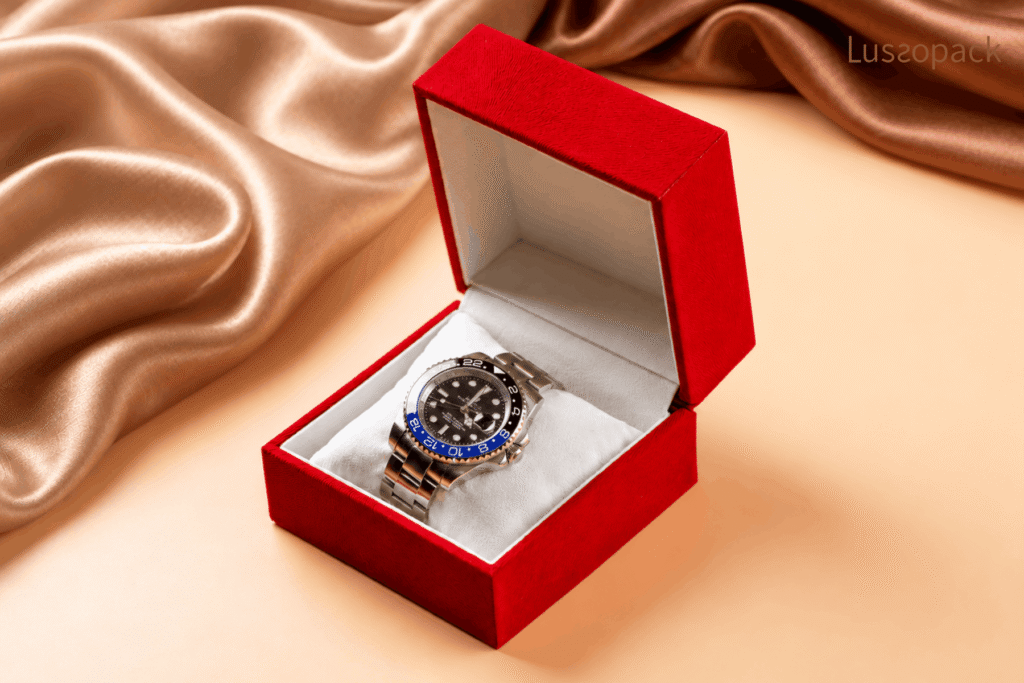
For a small first run, choose a few details you can execute consistently: clean wrapping, an appropriate lining, accurate logo placement, and a smooth opening action. Compare a tailored existing structure with a fully custom concept before committing to development.
Calculate the cost against the watches you expect to ship. For illustration, $600 in setup charges spread across 300 watches adds $2 per watch before the box itself. Across 100 watches, the same charge adds $6. These are hypothetical figures, not Lussopack prices.
To compare quotes from luxury packaging manufacturers, request separate figures for sampling, tooling, unit production, protective packing, and freight. A lower unit price can still tie up more cash if it requires hundreds of unused boxes.
Compare two complete sample directions using the same watch: a restrained paper-wrapped box and a more elaborate material option. Decide which visible improvement justifies the extra spend at your actual quantity. Keep money available for the protective shipping carton and final inspection.
6. Create an Owner's Kit, Not a Stack of Inserts
After a preorder wait, the customer should be able to open the package and enjoy the watch immediately. Keep the essentials visible:
- A short welcome note explaining one meaningful design detail.
- Clear winding, setting, and crown instructions for the supplied movement.
- Warranty registration and a direct support contact.
- A labeled pocket for spare links or straps, if included.
Use a QR code for longer instructions or a strap-change video, with a readable URL and contact details alongside it. Test the destination on a phone before packing begins.
Photograph the actual approved packaging for your product page. Show what is included so preorder customers know what to expect when their watch arrives.
7. Make Compact Luxury Part of the Brief
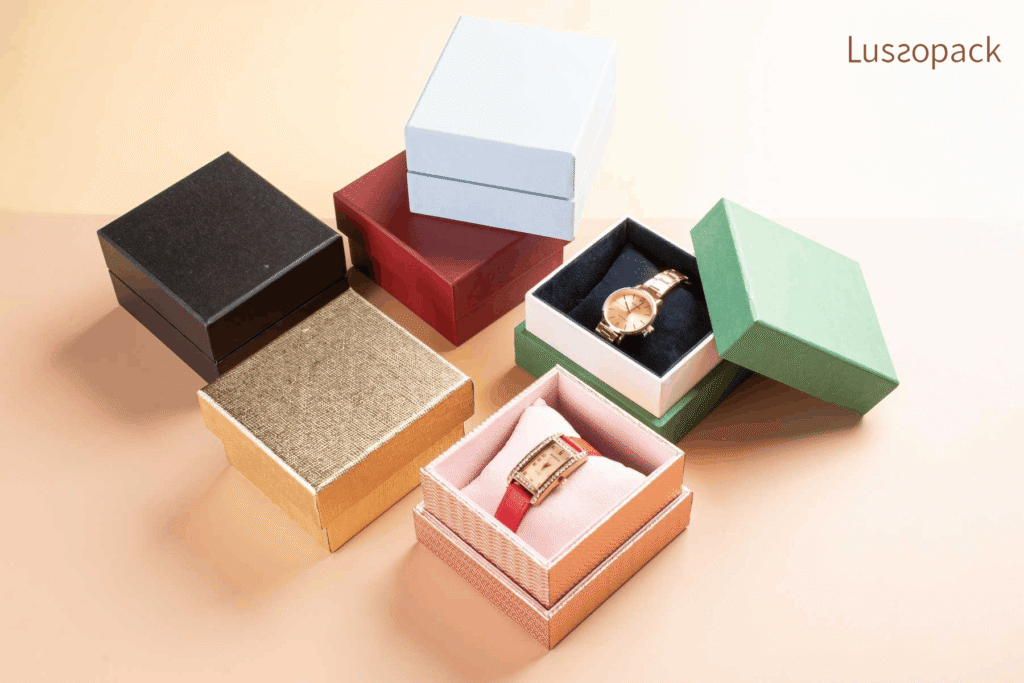
A collector may already own several watch boxes. Consider whether your presentation deserves space through useful storage, a removable travel pouch, or simply compact proportions. Confirm protection before reducing material.
DHL’s 2025 survey of 24,000 online shoppers across 24 markets found that 50% wanted retailers to remove plastic and unnecessary packaging. This is broader e-commerce research, not a survey of microbrand collectors, but it supports questioning layers that add little practical value.
Review the presentation box and shipping carton together. Ask for packed dimensions and weight, then compare freight and storage implications. Describe verified material attributes accurately; a paper exterior alone does not establish that the complete package is recyclable.
8. Set a Packaging Deadline Before Opening Preorders
Your assembly partner, packaging manufacturer, and fulfillment team may operate in different locations. Establish where watches meet boxes and who performs the final checks.
- Before campaign photography: Confirm the structure and the presentation you will advertise.
- Before production approval: Test the final watch, accessories, branding, and shipping protection.
- Before dispatch: Match watch references, edition cards, and orders using a packing checklist.
Work backward from packaging receipt, allowing for sample revisions, manufacturing, inspection, and transit. Prep design files for custom packaging production early, and agree project-specific dates with each partner.
Build Your First Packaging Brief With Lussopack
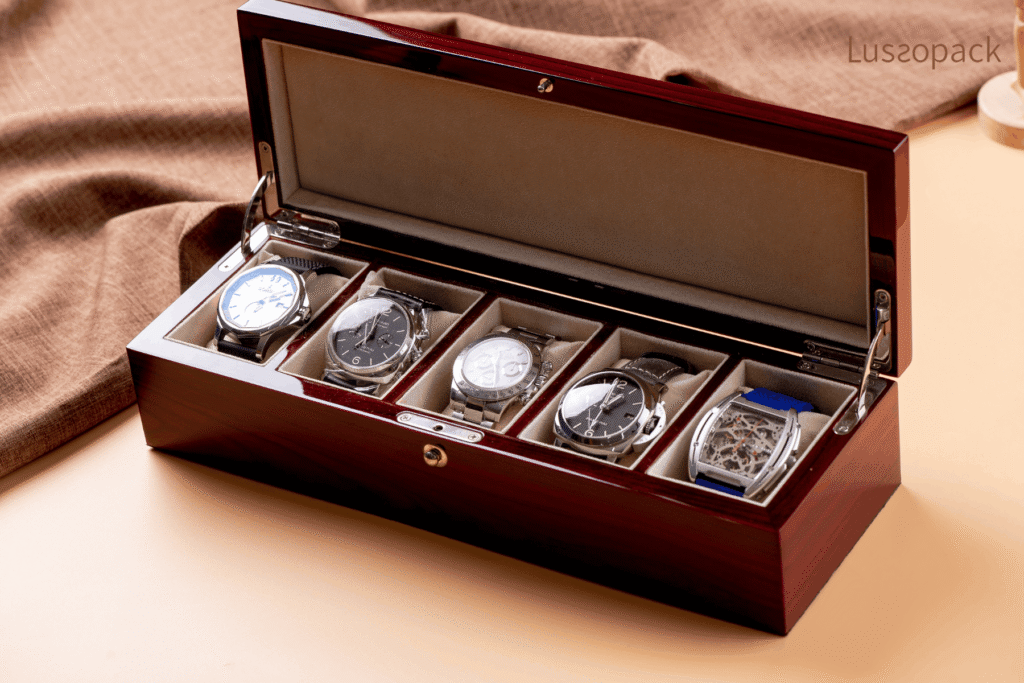
Lussopack develops custom watch boxes in Bangkok, Thailand. Explore our watch packaging collection, then discuss whether adapting an existing design or developing a custom structure suits your launch.
You do not need a finished packaging design to start the conversation. Send your watch dimensions, launch quantity, strap options, target budget, delivery destination, and required arrival date. Include reference images and any accessories.
If your quantity is still provisional, state the range and your decision date. That gives the team a clearer starting point for assessing production feasibility. Start with the collection you are preparing to launch.
Contact Lussopack with your launch brief to discuss feasible formats, sampling, MOQ, and a project-specific quotation.