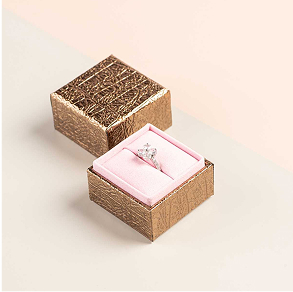
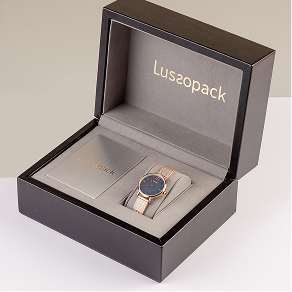
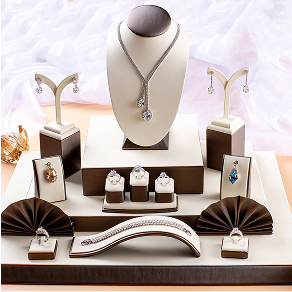
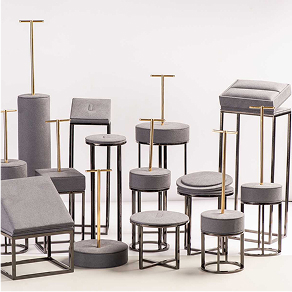
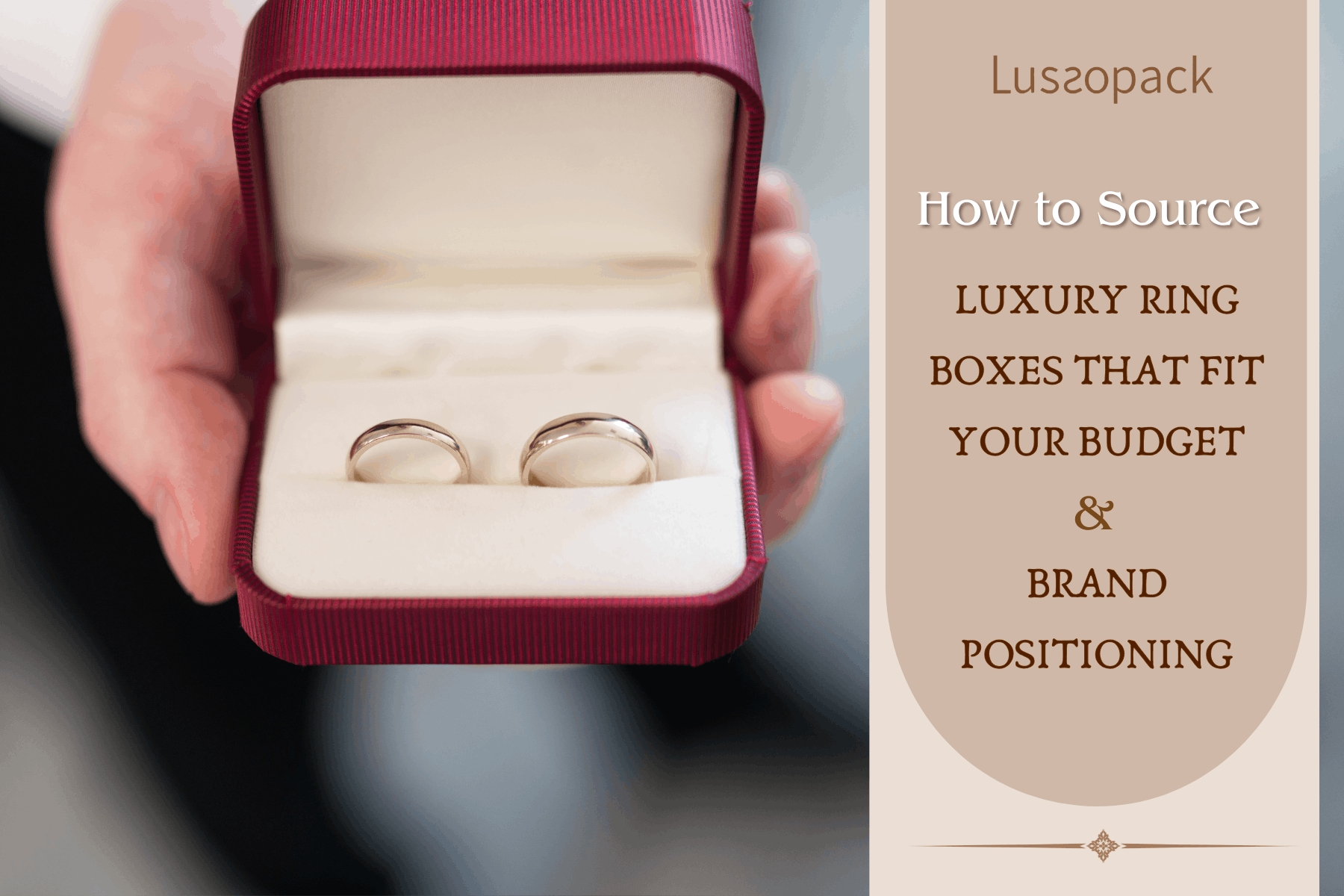
Luxury ring boxes don’t require the highest budget to feel premium. What matters more is whether the box reflects the ring’s value, meets the target customer’s expectations, and holds up commercially at your order volume.
Whether you’re launching a new jewelry collection or upgrading your existing packaging, understanding how to source luxury ring boxes strategically will help you make smarter purchasing decisions. This guide explores the key factors to consider so you can invest in packaging that supports both your brand image and your bottom line.
Define Your Brand Positioning Before Choosing a Ring Box
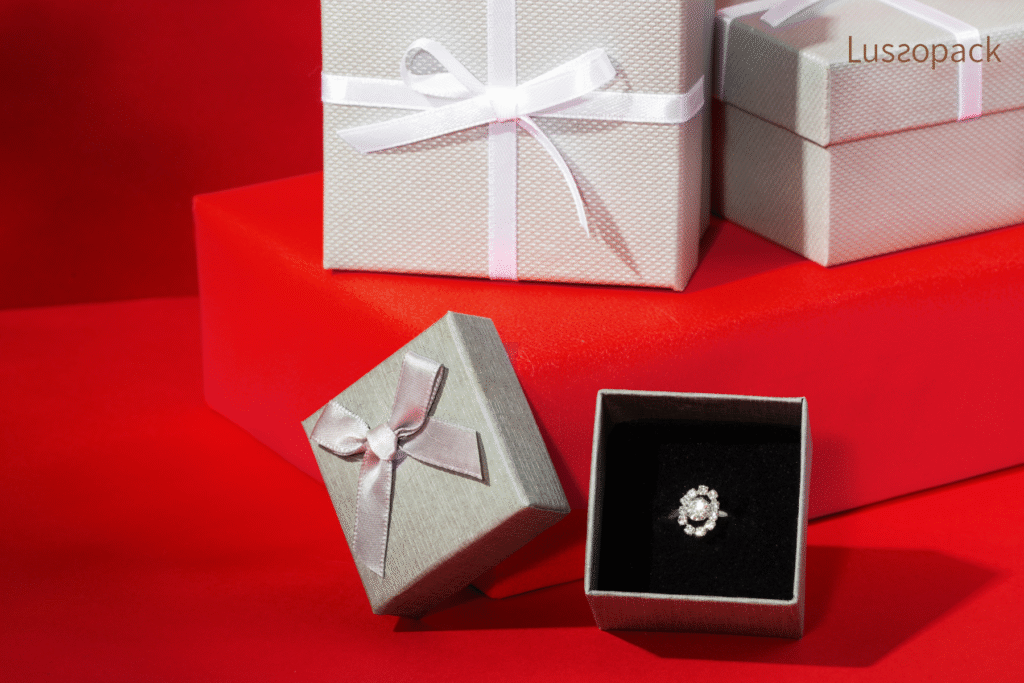
Before comparing materials, finishes, or suppliers, take a step back and consider how your brand is positioned in the market. Your packaging should feel like a natural extension of your jewelry rather than an afterthought.
For example, a fashion jewelry brand selling affordable everyday pieces will have different packaging requirements than a fine jewelry brand specializing in engagement rings. Both may want premium jewelry packaging, but their budgets, target customers, and brand messages differ significantly.
Ask yourself a few questions before selecting a ring box:
- Who is your ideal customer?
- What price range does your jewelry fall into?
- What emotions should customers feel when opening the box?
- Should your packaging appear classic, modern, minimalist, sustainable, or bold?
When your packaging aligns with your brand positioning, customers perceive greater consistency and professionalism throughout the buying experience.
Set a Realistic Packaging Budget
One of the biggest mistakes jewelry brands make is focusing only on the cost of the box itself. In reality, packaging costs extend far beyond the unit price.
Your total investment may include:
- Custom inserts
- Foil stamping or logo printing
- Specialty finishes
- Sample development
- Mold or tooling fees for custom designs
- Shipping cartons
- International freight
- Import duties
- Warehousing
Rather than asking, “What’s the cheapest luxury ring box available?” ask, “How much packaging investment makes sense for each piece of jewelry we sell?”
As a general guideline, higher-value jewelry can justify a greater investment in presentation because premium packaging contributes to the overall customer experience and perceived product value.
Setting a clear packaging budget early also helps suppliers recommend suitable materials and construction methods without exceeding your target costs.
Choose a Ring Box Structure That Matches Your Price Point
The structure of the ring box plays a significant role in both appearance and manufacturing cost. Fortunately, there are excellent options available across a wide range of budgets.
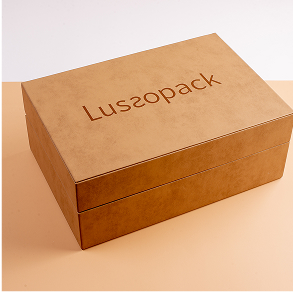
- For entry-level luxury packaging, a rigid paper box with custom printing and a high-quality insert can already create an elegant presentation.
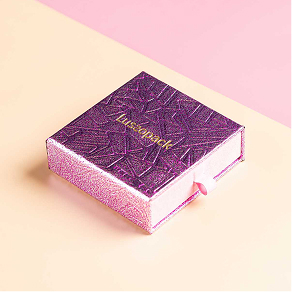
- Brands with a moderate budget often choose magnetic closure boxes or drawer-style boxes. These designs feel more substantial and create a more engaging unboxing experience while remaining cost-effective for larger production runs.
- For premium collections, fully customized structures allow brands to create distinctive packaging through unique shapes, premium materials, decorative hardware, or innovative opening mechanisms that leave a lasting impression.
The goal isn’t to select the most elaborate structure possible. Instead, choose one that reflects the value of the jewelry inside while remaining practical for production, shipping, and storage.
Select Materials That Create the Right Luxury Impression
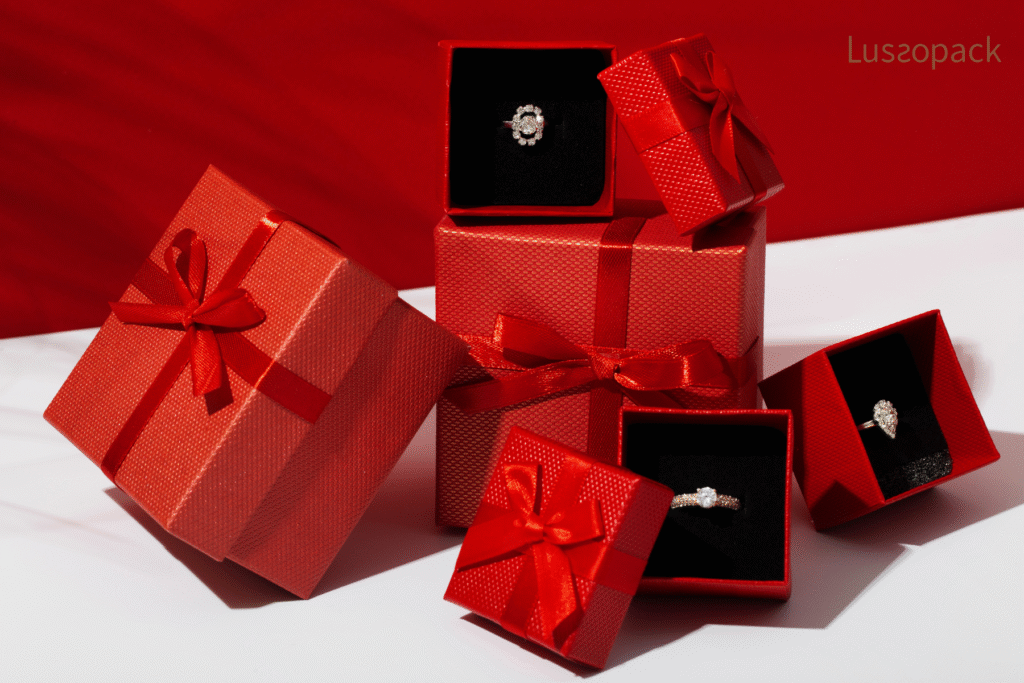
Material selection has a direct impact on how customers perceive your brand. Even subtle differences in texture can influence whether packaging feels luxurious, contemporary, handcrafted, or environmentally conscious.
Popular materials for luxury ring boxes include:
- Leather for a sleek, sophisticated appearance
- Wood for collectible or heritage-inspired collections
- Velvet for a soft, timeless presentation
- Suede for a refined, premium interior
- Recycled paper for sustainable jewelry brands
Exterior finishes also contribute to the overall experience. Soft-touch lamination, embossing, debossing, foil stamping, and spot UV coating can all enhance the visual appeal without requiring an entirely custom box design.
Rather than choosing materials solely because they look expensive, select finishes that reinforce your brand identity. A minimalist jewelry brand, for example, may benefit more from clean matte finishes than highly decorative embellishments.
Spend More on the Details Customers Notice
Luxury is often communicated through thoughtful details rather than extravagant design.
Customers immediately notice how smoothly a box opens, how securely the ring sits inside, the precision of the logo, and the overall quality of the materials. Small improvements in these areas often have a greater impact than adding unnecessary decorative elements.
Consider investing in details such as:
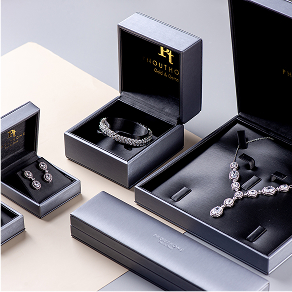
- Precision-cut inserts that hold the ring securely
- Clean, even edges
- Consistent color matching
- Crisp foil stamping
- Premium ribbon pulls
- Soft interior linings
- Smooth magnetic closures
These finishing touches contribute significantly to the perceived quality of your packaging while helping create a memorable unboxing experience.
Compare Custom and Semi-Custom Ring Boxes
One of the first sourcing decisions you’ll face is whether to develop a fully custom ring box or customize an existing design.
1. Fully custom packaging
Fully custom packaging gives you complete control over dimensions, structure, materials, inserts, branding, and finishing techniques. This approach is ideal for established jewelry brands looking to create a distinctive packaging identity that competitors cannot easily replicate.
However, custom development typically requires higher minimum order quantities, longer production timelines, and greater upfront investment.
2. Semi-custom packaging
Semi-custom packaging offers a practical alternative. Instead of creating an entirely new structure, brands customize existing box designs with their own colors, logos, inserts, ribbons, or sleeves. Because the base structure already exists, production is generally faster and more affordable.
For many growing jewelry brands, semi-custom packaging delivers an excellent balance between brand differentiation and cost efficiency.
Understand MOQ and Its Effect on Unit Cost
Minimum order quantity (MOQ) is one of the biggest factors influencing the final cost of luxury ring boxes. In general, the more units you order, the lower the cost per box becomes because production, setup, and material costs are spread across a larger quantity.
However, a lower unit price doesn’t always mean you’re making the most cost-effective decision.
Ordering thousands of boxes for a new jewelry collection may reduce manufacturing costs, but it also requires more storage space and ties up capital that could be invested elsewhere. If your branding changes or a collection is discontinued, unused packaging can quickly become wasted inventory.
When evaluating MOQ, consider:
- Your projected sales volume
- Available warehouse space
- Product launch schedule
- Seasonal collections versus evergreen products
- Cash flow and inventory management
An experienced packaging supplier can often recommend an order quantity that balances production efficiency with your actual business needs.
Request Samples Before Confirming Production
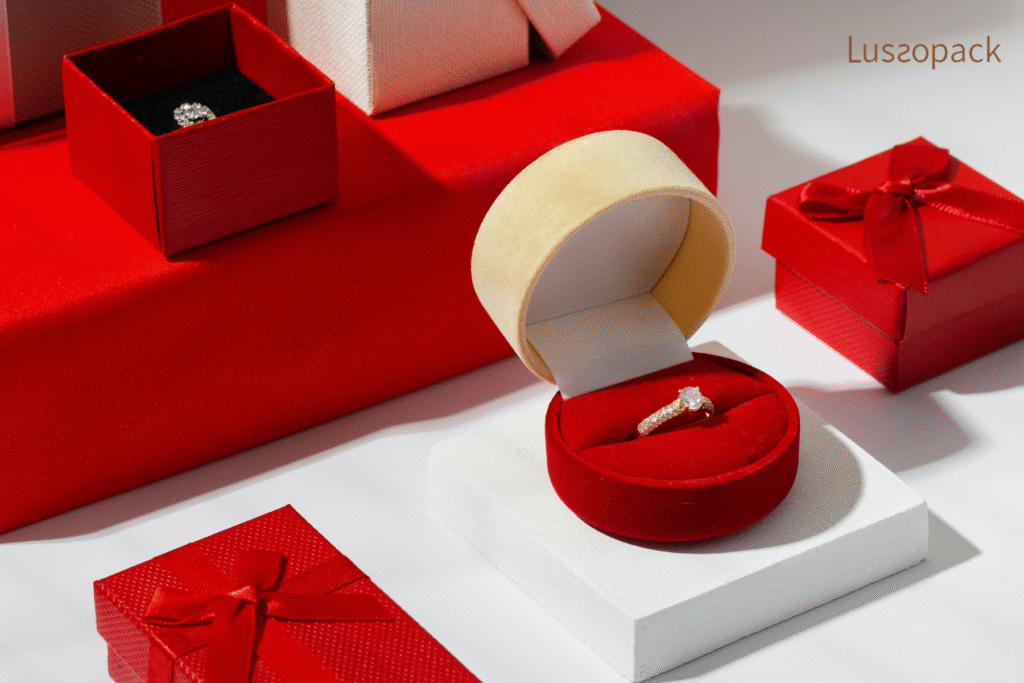
No matter how detailed the specifications look on paper, always request a physical sample before approving mass production.
Photos and digital mockups cannot accurately represent the texture of materials, the precision of the printing, or the overall feel of the finished product. Sampling allows you to identify issues early, before they become expensive production mistakes.
When reviewing a sample, pay close attention to:
- Overall dimensions and proportions
- Ring fit and insert quality
- Material texture and finish
- Logo placement and print quality
- Color accuracy
- Lid alignment and opening experience
- Durability during repeated use
If possible, place your actual jewelry inside the sample box rather than relying on measurements alone. This gives you a much better sense of how customers will experience the final product.
Although sampling adds time to the sourcing process, it often prevents costly revisions and production delays later.
Consider Shipping and Storage Costs
Luxury packaging isn’t only about appearance. It also affects logistics.
Larger or unusually shaped ring boxes often require more shipping space, increasing freight costs for both manufacturers and retailers. Bulky packaging also occupies more warehouse space, which can add to long-term storage expenses.
This doesn’t mean smaller packaging is always better. Instead, aim for a design that feels luxurious while remaining practical.
A thoughtfully designed compact ring box can still deliver a premium experience through high-quality materials, elegant finishes, and a well-designed interior without creating unnecessary shipping costs.
If you’re selling internationally or through e-commerce, ask your supplier about packaging dimensions and shipping efficiency before finalizing the design.
Evaluate the Supplier's Customization Capabilities
Not every luxury packaging manufacturer offers the same level of customization. While some suppliers specialize in standard packaging with basic branding, others can support fully customized luxury packaging projects from concept to production.
When comparing suppliers, ask about their capabilities, including:
- Structural packaging design
- Custom inserts
- Material sourcing
- Color matching
- Foil stamping and embossing
- Prototype development
- Quality control procedures
- Export packaging
- International shipping support
Working with a supplier that offers comprehensive services can simplify the development process and reduce the need to coordinate with multiple vendors.
Experienced manufacturers may also suggest alternative materials or construction methods that lower costs without compromising the overall appearance of the packaging.
Balance Trends with Long-Term Brand Consistency
Packaging trends change every year. Bold colors, unconventional shapes, holographic finishes, and seasonal designs can generate excitement, especially on social media.
However, your core packaging should remain consistent with your brand identity.
A timeless ring box allows customers to instantly recognize your brand while creating a cohesive experience across different jewelry collections. Rather than redesigning the entire box every season, consider introducing limited-edition elements such as:
- Custom sleeves
- Seasonal ribbons
- Holiday gift wraps
- Printed message cards
- Limited-edition inserts
This approach keeps your packaging fresh while maintaining a recognizable brand image and reducing production costs.
Common Sourcing Mistakes to Avoid
Even experienced jewelry brands can make costly packaging decisions. Understanding the most common mistakes can help you avoid unnecessary expenses and production delays.
Some of the most frequent sourcing mistakes include:
- Choosing packaging based solely on the lowest price
- Selecting materials that don’t match the brand image
- Ignoring shipping and storage costs
- Ordering without requesting physical samples
- Purchasing more inventory than needed to achieve a lower unit price
- Overcomplicating the design with unnecessary decorative features
- Working with suppliers who have limited customization capabilities
The best packaging decisions consider both aesthetics and long-term business practicality.
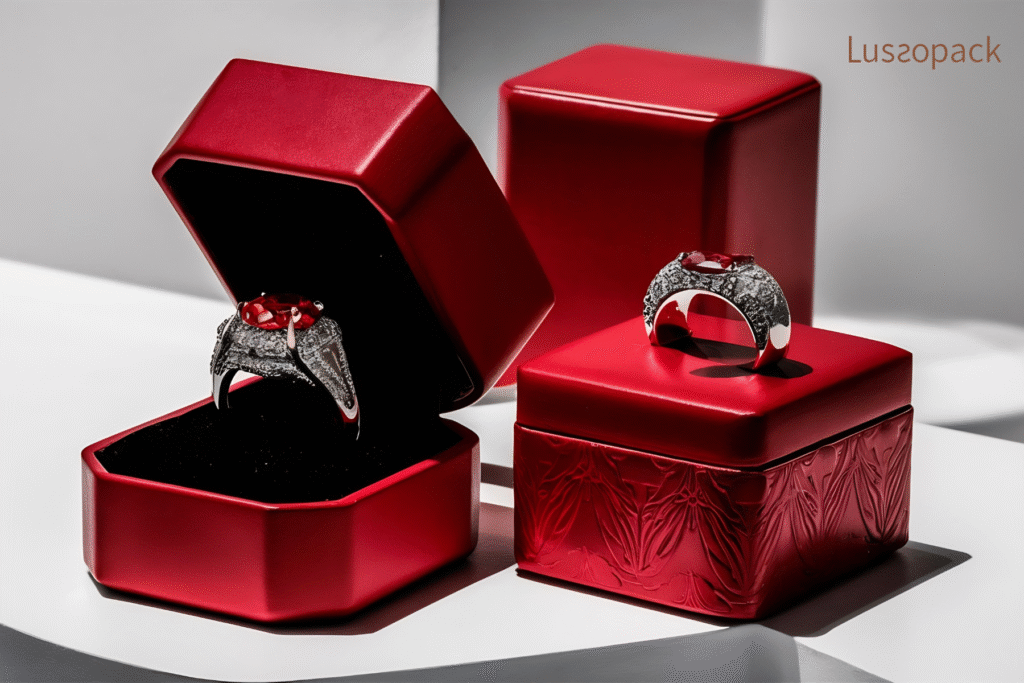
Final Checklist for Sourcing Luxury Ring Boxes
Before placing your production order, confirm that you’ve reviewed every important detail.
Use this checklist as a final reference:
- Brand positioning aligns with the packaging design
- Packaging budget has been clearly established
- Box structure suits your product and price point
- Materials reflect your desired brand image
- Custom finishes have been finalized
- Ring insert securely fits the product
- MOQ matches your sales forecast
- Physical samples have been approved
- Shipping dimensions have been reviewed
- Production timeline meets your launch schedule
- Supplier quality standards have been verified
Taking the time to review these factors helps reduce unexpected costs while ensuring the finished packaging meets your expectations.
Conclusion
Luxury ring boxes do much more than protect jewelry during transport. They influence first impressions, strengthen brand identity, and contribute to the overall customer experience.
The most successful packaging isn’t necessarily the most expensive. It’s the packaging that aligns with your brand positioning, fits your budget, and delivers the level of quality your customers expect.
Contact Lussopack to discuss your custom luxury ring box project and request packaging recommendations based on your brand, order quantity, and target budget.