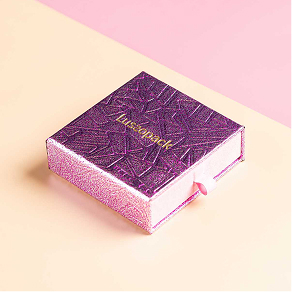
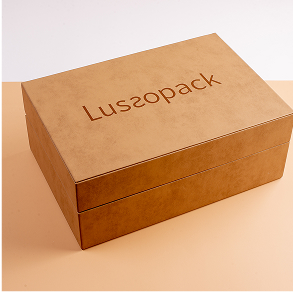
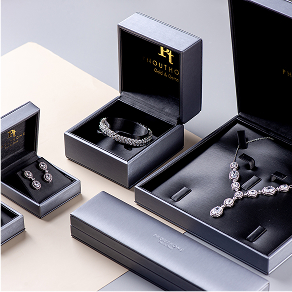
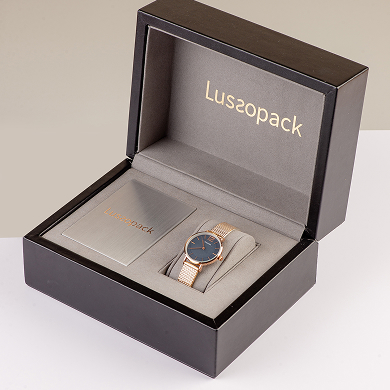
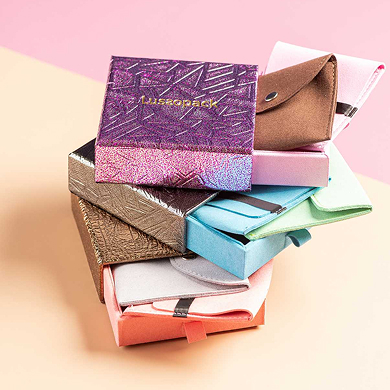
When a customer opens a jewelry box, they form an impression before they even see what’s inside. The weight of the lid, the texture of the exterior, the resistance of the hinge, the softness of the interior lining, all of it communicates something about the brand and the product within. That impression is largely determined by one decision made long before production: material selection.
For jewelry and watch brands, packaging is not a formality. It is the physical environment in which a customer experiences the product for the first time. Getting the materials right protects the product, reinforces the brand, and supports the kind of unboxing moment that drives repeat purchases and word-of-mouth.
This guide is written for brand owners, retail buyers, and sourcing teams who want a practical, detailed understanding of the materials available for ring boxes and jewelry boxes. It covers what each offers, where each falls short, and how to make the right call for your brand tier, budget, and product line.
How Packaging Materials Affect Jewelry Brand Perception
Most packaging conversations start with aesthetics such as colour, logo placement, and finish. These details matter. But material is the foundation that everything else depends on, especially when you consider the role of packaging in marketing.
A beautiful print on flimsy board loses credibility the moment a customer picks it up. A strong visual impression cannot compensate for weak structure. In the same way, a refined exterior paired with a poorly fitted foam insert suggests that quality control stopped at the surface.
Material affects more than how a box looks:
- Structural integrity — how the box holds up in hand, in transit, and on shelf
- Tactile experience — what the customer feels at the moment of opening
- Longevity — whether the packaging survives retail handling or a lifetime as a keepsake
- Customization range — which branding techniques are actually feasible
- Production variables — lead times, MOQs, shipping weight, and unit cost
For brands working across multiple SKUs, consistent material choices also build something less obvious but equally important: tactile coherence. When every piece in a collection feels like it belongs together, that consistency reinforces brand identity in a way that design alone cannot achieve.
The Most Common Materials Used in Ring Boxes & Jewelry Boxes
Cardboard and Rigid Paperboard
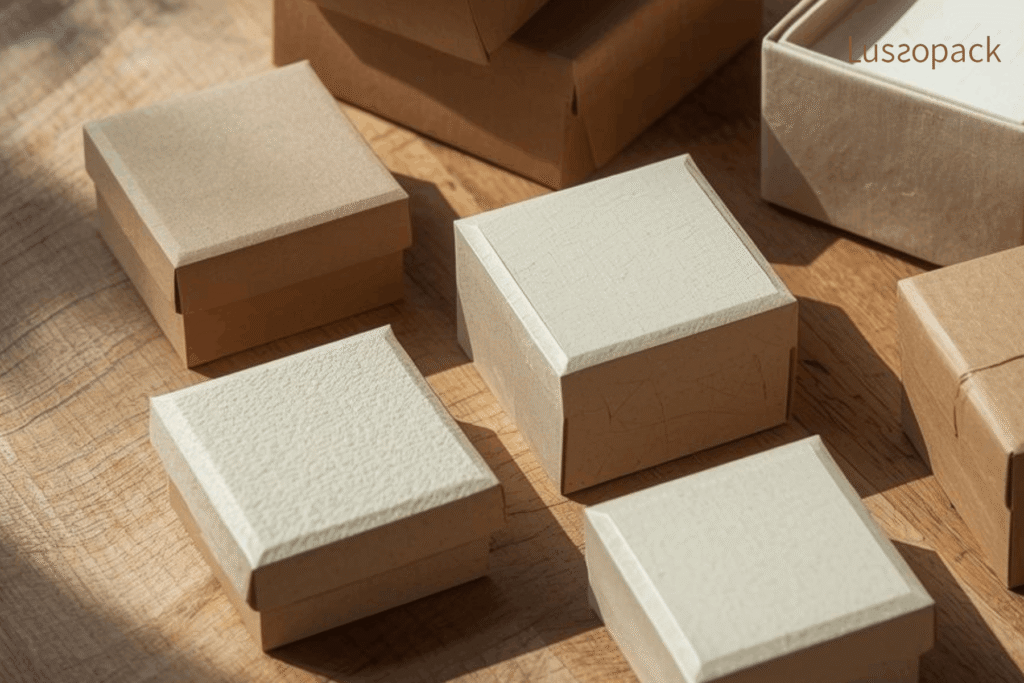
Rigid paperboard, including greyboard and high-density chipboard, is the most widely used structural material in jewelry packaging. It forms the base of most hinged boxes, two-piece set-up boxes, and drawer-style boxes across mid-range and premium retail segments.
The weight and thickness of the board directly affect how a box feels in the hand. A thicker greyboard core (2mm to 3mm is standard for quality paper jewelry boxes) produces a solid, substantial feel that reads as premium, even before any outer covering is applied. A thinner board at the same size will flex slightly when handled, which undercuts the perception of quality.
The limitations are worth knowing. Paperboard is not inherently moisture-resistant, which matters for brands in humid climates or those distributing through supply chains with temperature variation. It also has a finite lifespan as a keepsake item, customers are unlikely to hold onto a cardboard jewelry box for decades the way they might a wooden or leather one.
Wood
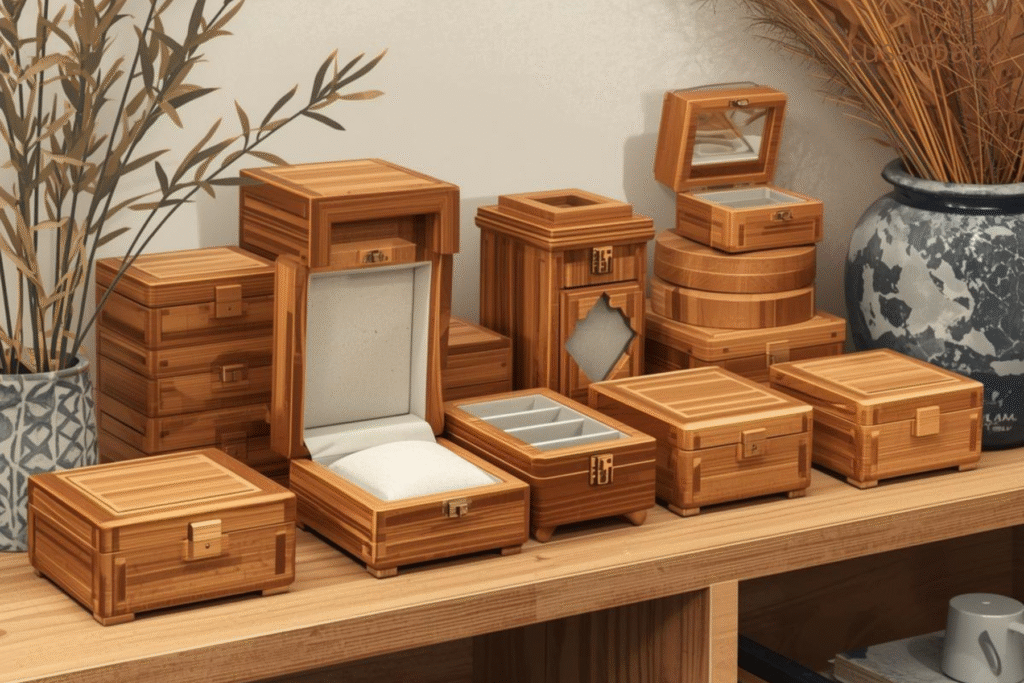
Wood packaging occupies the top tier of perceived value in jewelry and watch packaging. Solid wood, MDF (medium-density fiberboard), and bamboo each serve different purposes, and choosing between them depends on your brand positioning, budget, and the customization effect you want.
Solid wood such as walnut, maple, cherry, and oak creates packaging with natural grain variation, a genuine sense of weight, and durability that is hard to match. It ages well, and customers tend to keep it. That lasting value can support brands looking to build long-term relationships with their customers.
MDF is the more practical choice for most custom wood jewelry boxes. It is dimensionally stable, machines cleanly, and accepts veneer, lacquer, paint, and laser engraving with consistent results. It is also significantly less expensive than solid wood while still delivering a premium product. For brands that want the look and feel of wood packaging without the cost of solid timber, MDF with a quality veneer or lacquer finish is the standard solution.
Bamboo has grown in relevance for brands with sustainability messaging. It grows faster than hardwood, it machines well, and it has a clean, modern aesthetic that suits contemporary fine jewelry brands. The tradeoff is that bamboo has a more limited range of finishes compared to MDF or solid wood.
The practical considerations for wood packaging are real. It is heavier than cardboard, which affects shipping costs. Production lead times are longer, particularly for custom shapes and laser-engraved detailing. And MOQs for wood boxes tend to be higher than for paperboard, which can be a constraint for smaller brands or new product launches.
Velvet and Fabric
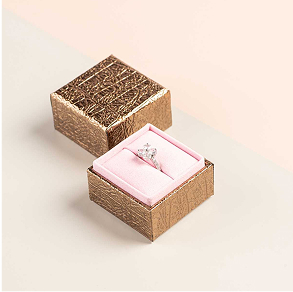
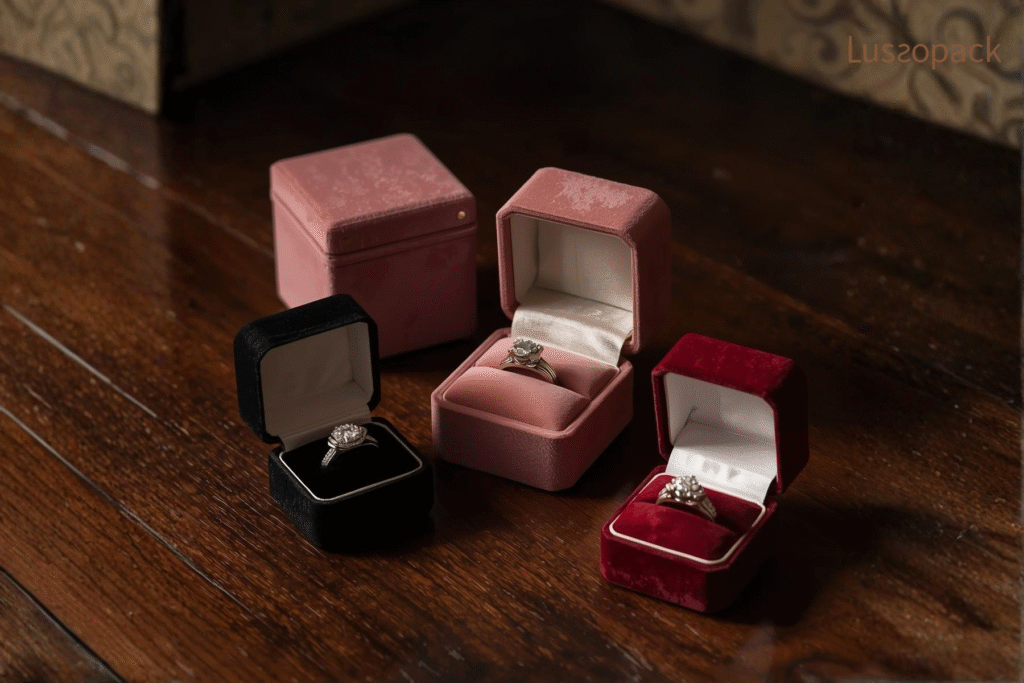
Fabric rarely appears on its own as a structural material, it works in combination with a rigid substrate. But it has an outsized influence on how a piece of packaging feels. The softness of velvet on a ring box exterior, the smoothness of a suede microfiber interior, the slight resistance of a fabric-covered lid, these tactile details are what customers remember and describe.
Velvet is the most traditional choice for fine jewelry packaging and remains the most widely used interior lining material globally. It has a depth and richness that photographs well, holds inserts and ring slots cleanly, and signals quality without effort. The pile height and density of the velvet affects both appearance and performance; a denser pile holds its look longer and resists the matting that lower-quality velvet develops over time.
Suede microfiber has become a popular alternative, particularly for contemporary brands that want a cleaner, more modern interior aesthetic. It is softer than velvet, more resistant to dust and lint, and available in a broader color range. It also tends to work better in drawer-style packaging where the interior is more exposed.
For jewelry brands targeting the ultra-premium segment, silk and satin linings are used for specific product categories, typically for presentation boxes accompanying high-value pieces or collector’s editions. These materials require more careful handling in production and have higher minimum costs, but the result is genuinely distinctive.
Leather and Faux Leather (PU Leather)
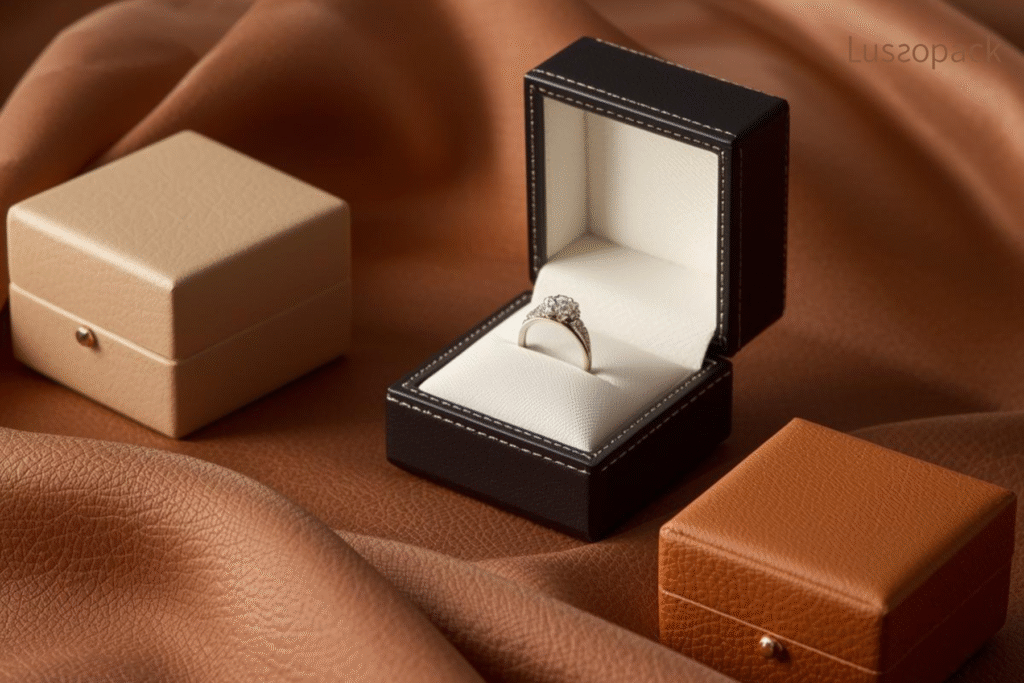
Leather exteriors move jewelry and watch packaging decisively into premium territory. The material communicates durability, craft, and a certain seriousness; it is not accidental that heritage watch brands and fine jewelry houses have used leather-wrapped cases for generations.
Genuine leather packaging is not as common as it might appear in the market. More often, what looks like leather is PU (polyurethane) leather, also called faux leather or leatherette. That is not necessarily a compromise. High-quality PU leather is visually indistinguishable from genuine leather to most consumers, offers consistent color and texture across a production run, and is significantly more cost-effective. For brands that need to communicate luxury at scale, PU leather delivers strong results.
Genuine leather does have properties that PU cannot replicate. It develops a patina with age. It has natural variation in grain and texture that adds character. And for brands where authenticity and heritage are central to the brand story, the distinction between real and simulated leather matters to their customers.
Both materials support a strong range of customization: debossing, foil stamping, screen printing, and custom stitching details. Color options are broad for PU leather in particular, which gives brand teams more flexibility when working with specific brand color palettes.
One consideration worth flagging for brands with sustainability commitments: PU leather raises questions for some consumers and retail partners. Vegan-certified alternatives, including some plant-based leathers, are now available from specialist suppliers, though material performance and cost profiles vary considerably.
Acrylic and Lucite
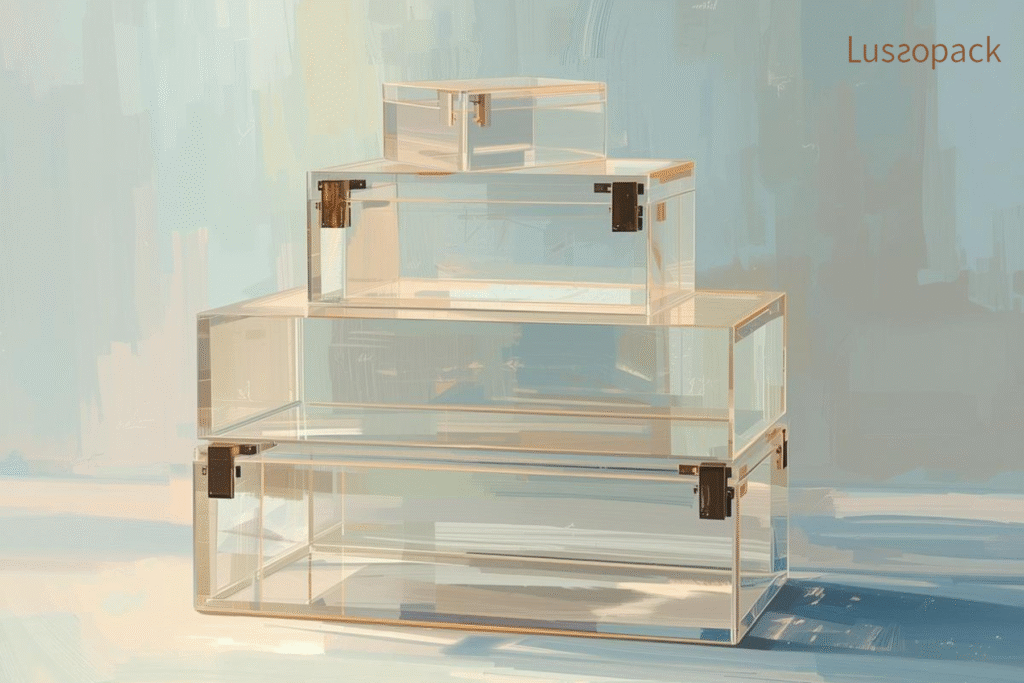
Acrylic packaging occupies a specific niche. It is most commonly used for display boxes, gift sets, and brands with a deliberately modern or architectural aesthetic. The transparency is the point, acrylic lets the product be seen before it is opened, which works well for brands where the packaging is as much display unit as a protective case.
For ring boxes and jewelry boxes in the traditional sense, acrylic is less common. It scratches relatively easily, which limits its appeal as a keepsake item, and it offers less flexibility for branding compared to paperboard or leather. Where it tends to work well is in specialty applications: acrylic lids on fabric-lined bases, acrylic display trays for retail environments, or presentation sets where visual transparency is a deliberate design choice.
Metal
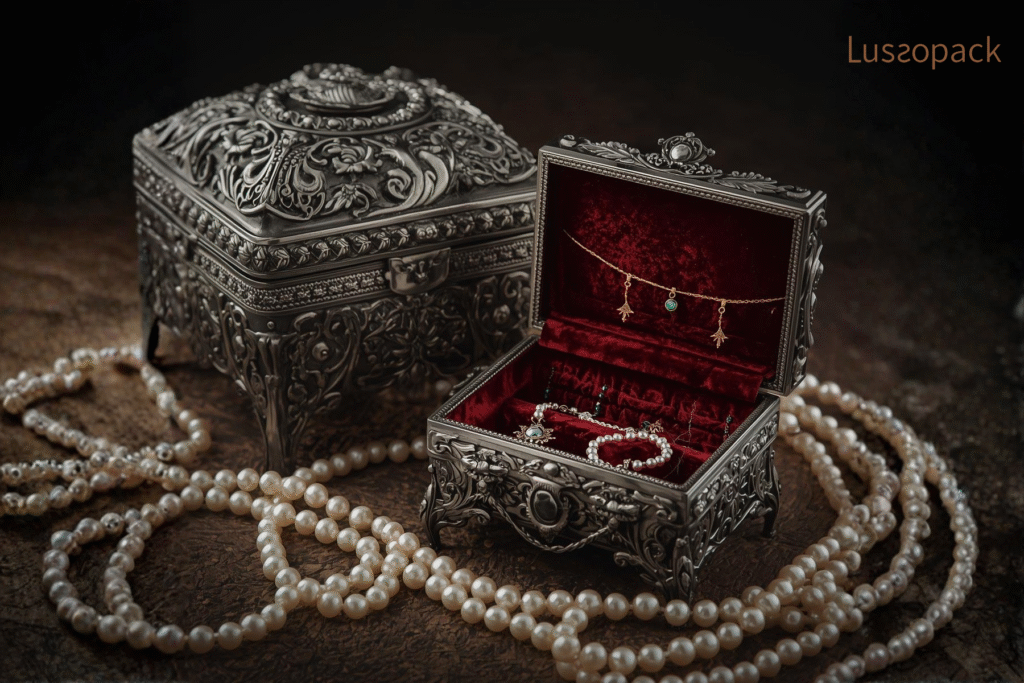
Metal packaging, such as tin, aluminum, and steel is used in specific categories where durability and reusability are selling points. Watch brands use metal cases for collector editions and gift sets. Fine jewelry brands occasionally use metal tins for certain product categories, particularly where the packaging itself is intended to be kept and reused.
The advantages are clear: metal packaging reads as permanent. It survives shipping and retail handling better than cardboard. Customers hold onto it. And for gift-focused product lines, a metal box has an inherent value that adds to the perceived value of what is inside.
The constraints are equally clear. Metal is heavier than all other options, which affects shipping costs meaningfully at scale. Tooling costs for custom metal packaging are higher than for cardboard or fabric-covered boxes. Production lead times for custom metal work are among the longest in the category.
Jewelry Box Interior Materials and Lining Options
The interior is where product protection, presentation, and perceived value all come together. It affects how the jewelry sits, how it’s revealed, and whether the experience feels considered or careless.
Below is a clear breakdown of the most commonly used interior materials and lining options, how they perform, and when each makes sense.
Velvet
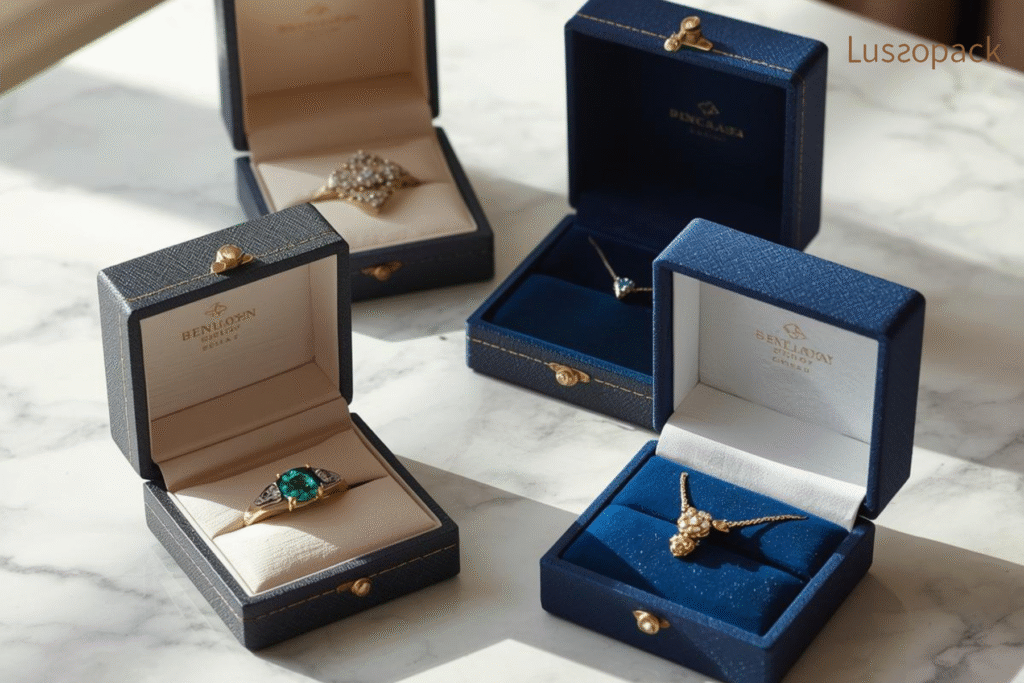
Velvet is the classic choice for a reason. It immediately signals luxury.
How it performs
- Soft surface protects delicate metals and gemstones
- Deep colors enhance contrast, especially for gold and diamonds
- Creates a rich, tactile first impression
Where it works best
- Engagement ring boxes
- High-end jewelry collections
- Gift-focused packaging
Things to consider
- Can attract dust and fibers
- Lower-quality velvet can flatten or look worn over time
Microfibre (Suede-like Fabric)
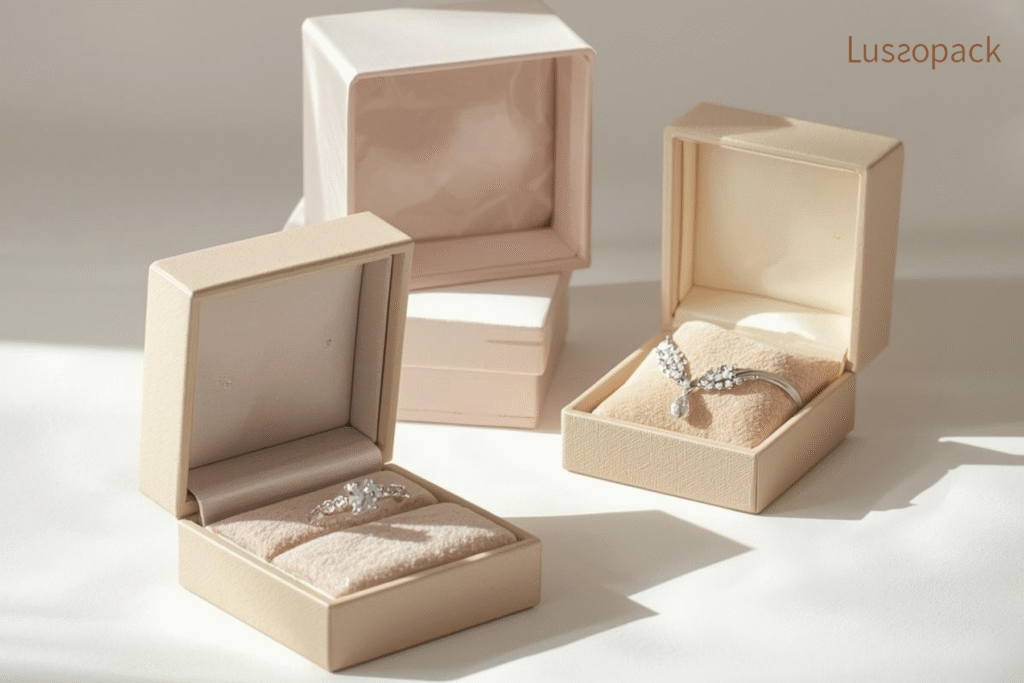
Microfiber has become a strong alternative to velvet, especially for modern brands.
How it performs
- Smooth, consistent texture with a matte finish
- More resistant to wear compared to velvet
- Less prone to visible dust
Where it works best
- Contemporary jewelry brands
- Mid to premium positioning
- Clean, minimal packaging aesthetics
Things to consider
- Less dramatic than velvet in terms of visual impact
- Needs precise color matching to maintain a premium feel
PU Leather (Synthetic Leather)
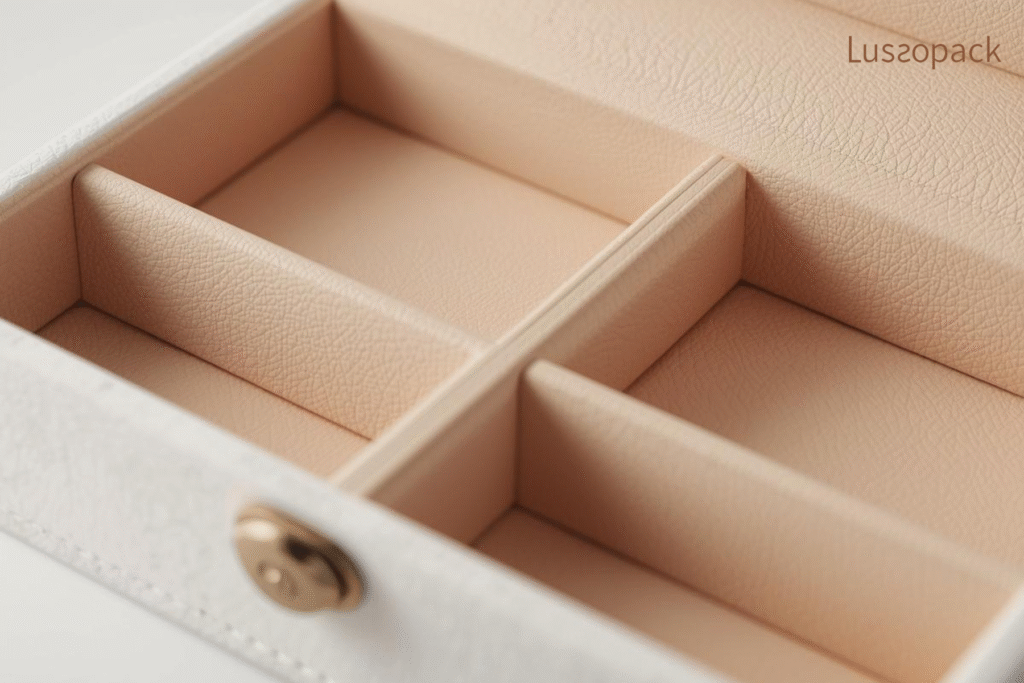
PU leather is often used when structure and durability matter as much as softness.
How it performs
- Durable and easy to clean
- Holds shape well, especially for structured compartments
- Adds a slightly more “product-focused” feel
Where it works best
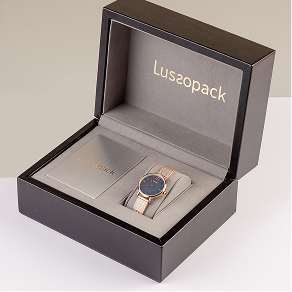
- Watch boxes
- Travel jewellery cases
- Multi-compartment storage boxes
Things to consider
- Less soft than fabric options
- Can feel less “giftable” if not paired with the right exterior
Satin / Silk
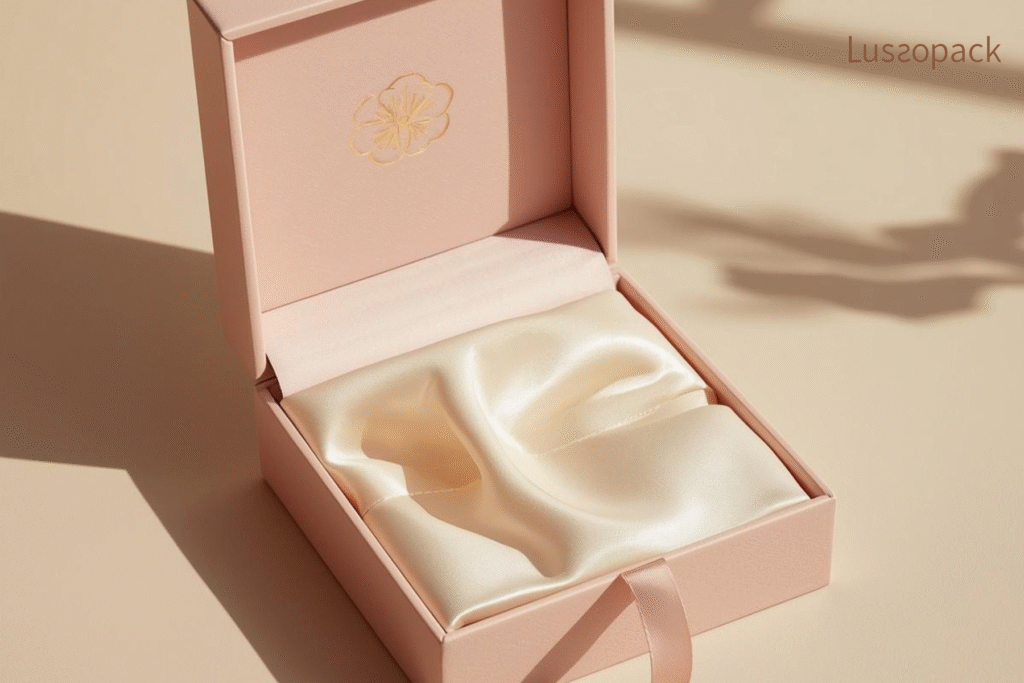
Satin and silk introduce movement and softness rather than structure.
How it performs
- Lightweight and smooth
- Adds a delicate, elegant touch
- Works well as a top layer or cover
Where it works best
- Bridal jewellery packaging
- Decorative inner lids
- Layered presentation (over inserts)
Things to consider
- Offers limited structural support
- Can wrinkle or shift if not secured properly
Foam with Fabric Wrap
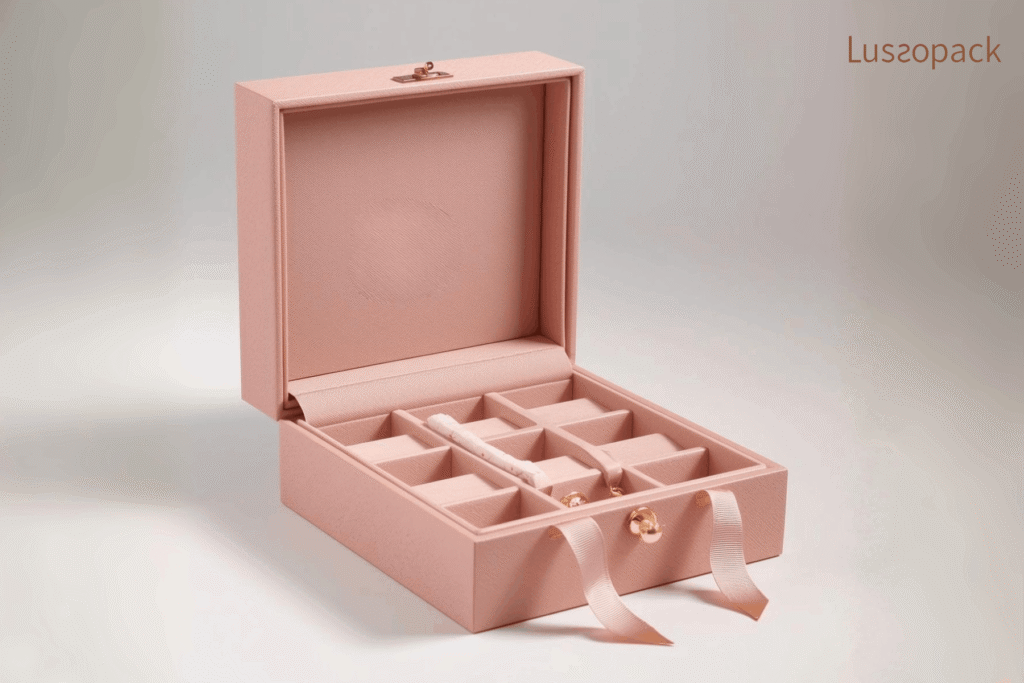
This is the most practical and widely used construction method.
How it works
- Foam core is cut to fit the jewellery precisely
- Wrapped with velvet, microfibre, or satin
Why it matters
- Keeps jewellery firmly in place
- Prevents movement during shipping and handling
- Allows custom shapes for different product types
Where it works best
- Almost all retail jewellery boxes
- E-commerce packaging
- Brands that need consistency at scale
Paper-Based Linings
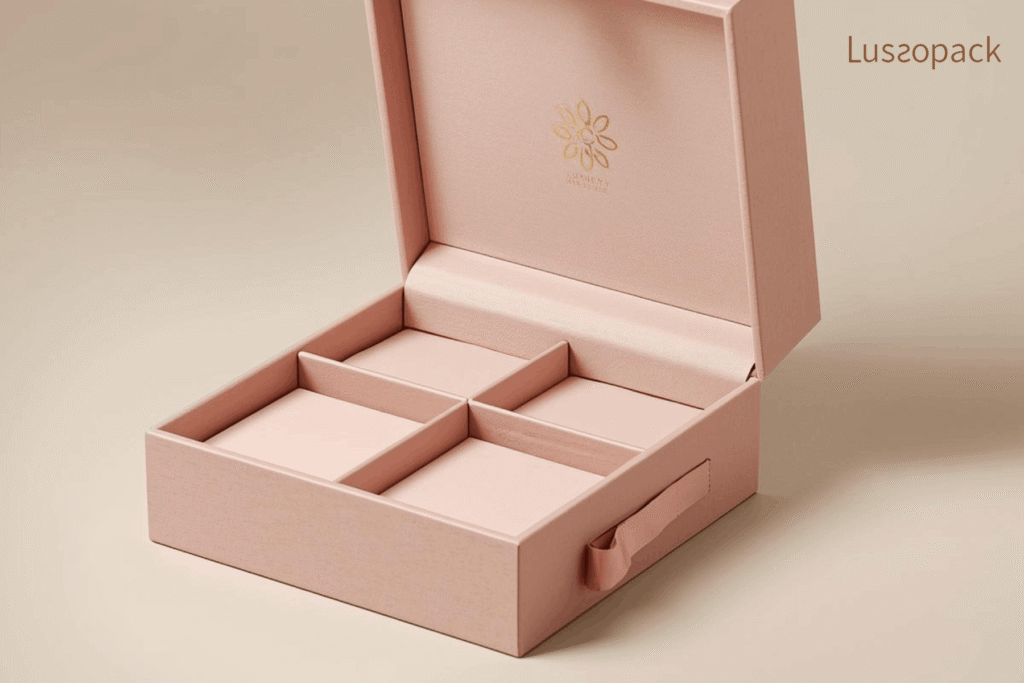
Used more often in eco-focused or entry-level packaging.
How it performs
- Lightweight and cost-effective
- Easy to customise with print or texture
- Supports sustainability positioning
Where it works best
- Fashion jewellery
- Eco-conscious brands
- High-volume packaging
Things to consider
- Limited cushioning and protection
- Lower perceived value compared to fabric linings
How to Choose the Right Material for Your Packaging
There is no universal answer, but there is a practical framework. Before making a material decision, work through these questions:
Brand tier and customer expectation
- What does your customer expect to receive at your price point?
- Are you meeting that expectation or deliberately exceeding it?
Product type and protection requirements
- What does the piece need structurally?
A solitaire diamond ring has different protection requirements than a stackable band. A mechanical watch has different requirements again.
Volume and budget
- What is your production volume, and what unit cost does your margin structure support?
Higher-cost materials make sense at higher volumes or higher retail prices.
Distribution channel
- Is this packaging for retail display, e-commerce delivery, or gifting?
Each channel has different durability and presentational requirements.
Longevity intent
- Is the packaging a keepsake, or is it functional packaging for a product that will be transferred to something else?
Keepsake packaging justifies a higher material investment.
Working through these questions honestly before briefing a manufacturer produces better outcomes than starting with a visual reference and trying to reverse-engineer a material decision.
What to Consider When Sourcing Jewelry Packaging Materials
Minimum Order Quantities and Material Availability
Material choice has a direct effect on MOQ thresholds. Rigid paperboard boxes and fabric-covered boxes generally offer lower entry MOQs, which makes them more accessible for smaller brands, new product launches, or seasonal collections where volume is uncertain. Wood, metal, and genuine leather packaging typically requires higher minimum quantities to make production economically viable.
Custom materials such as specialty papers, proprietary fabric textures, and custom-coloured PU may also come with separate minimum order requirements for the materials themselves, in addition to the box MOQ. Sourcing teams should factor this in when planning new packaging development, especially for limited editions or small-batch runs.
Durability and Shelf Life
Not all packaging is designed to survive the same conditions. Jewelry packaging that will sit in a retail environment under fluorescent lighting, be handled repeatedly by customers, and potentially be stacked in stockrooms has different durability requirements than packaging destined for a single e-commerce delivery.
Paperboard performs well in controlled environments but can be compromised by humidity, which is a genuine consideration for brands distributing through Southeast Asia, parts of Europe during winter, or high-altitude markets. Fabric coverings can show wear at edges and corners with repeated handling. Foam inserts will compress slightly over time, which can affect the fit for stored products.
For brands that prioritise packaging longevity, especially for keepsake boxes designed to last for years, wood, metal, and leather are stronger material choices.
Customization Options by Material
Each material has a different set of customization options, and not all techniques work on all materials.
Hot stamping and foil blocking work on most paper wraps, PU leather, and some fabric surfaces. Debossing and embossing work well on leather and thicker paper wraps but require sufficient material depth to produce a clean result. Laser engraving is most commonly used on wood and metal. Screen printing and UV printing work on rigid paperboard, metal, and acrylic.
Knowing what is and is not feasible before the design brief is finalized saves significant time in development. A brand that designs a debossed logo for a thin paper-wrapped box will run into production problems that a more experienced packaging partner would have flagged early.
Sustainability and Responsible Sourcing
Sustainability considerations are becoming a standard part of packaging procurement conversations, particularly for brands distributing through European retailers or positioning to environmentally conscious consumers. FSC-certified paperboard and recycled content board are now widely available from quality suppliers without a significant cost premium. Soy-based inks and water-based laminations reduce the environmental footprint of printed packaging.
For brands moving away from virgin plastics, foam alternatives made from recycled content or biodegradable materials are available, though performance characteristics vary and should be tested carefully before a full production run.
Custom Jewelry Packaging Solutions from Lussopack
If you are working through a packaging brief, whether for a new collection, a brand refresh, or a specific product that requires a custom solution, Lussopack is available to help.
Get in touch to discuss your requirements, explore material options, and understand what is achievable at your volume and price point. The team can guide you through material selection, customization options, branding details, and production planning from initial brief to finished product. Contact Lussopack for a custom packaging consultation.